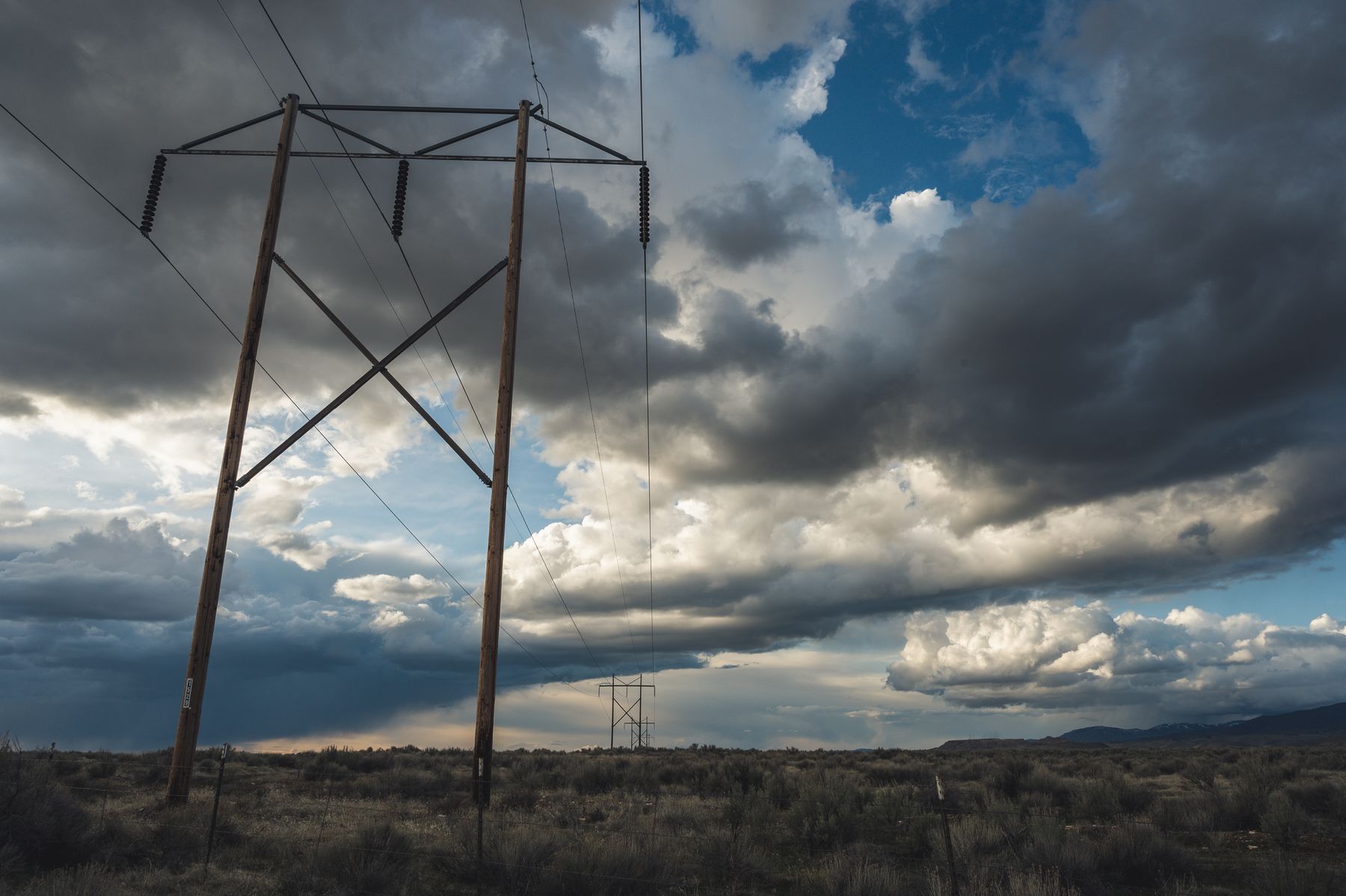
A power outage in your area is inconvenient. A regional or national-scale power outage is a different story. If the power grid across large swaths of the country were to fail, there would be an outsized impact on many critical services we take for granted, including:
- Water service (many locations require electricity to pump water to homes)
- Cold storage for food and medicines
- Telecommunications (cell phone service may remain available at first, but towers could run out of backup power and go offline)
- Medical services and equipment that require electricity
- Payment processing (cash might be king)
While we can’t control if or when a major power outage happens, we can prepare for one. Keep in mind that a nationwide outage wouldn’t necessarily impact every state equally (there are three main power grids for the lower 48 states), so it’s still a good idea to know your neighbors and have a plan for getting resources from nearby communities if needed.
Here are 15 things you should prioritize in case of a major power outage. Depending on your specific situation (medical needs, outside temperature, etc.), the order of these priorities may vary.
A nationwide outage is a planning scenario here, not a prediction. The EIA describes the three major interconnections; do not assume nearby communities will have spare supplies.
1. Medical needs and personal safety
In your home, have a discussion about what items or services your family relies on that could become life-threatening if the power went out (i.e. oxygen or feeding machines, certain medications that need to be refrigerated, powered wheelchairs or other mobility equipment, hearing aids, etc.). Make a list of these items as well as the company that makes them, your doctor’s contact information, etc. Write this information down somewhere that won’t require electricity to access (it won’t do you much good if it’s saved on your phone once your phone dies). Talk with your doctor and equipment providers about what to do in the event of a power emergency. The FDA even has a workbook to help you plan for outages with medical devices. Find out what backup power options are available and make sure you know how to gauge how much power is left and what to do if the backup power fails. Don’t assume that a standard phone battery pack or even a portable power station would be adequate or safe for medical equipment.
Talk with your pharmacist about how to store any medications that need to be refrigerated. (Spoiler alert: it’s not as simple as chucking them in a cooler with some ice.) Keep medication instructions, refill information, allergy information, etc. on hand and accessible, and know how often certain medications and medical supplies need to be replaced.
Make sure smoke and carbon monoxide detectors are in working order and that all exits are easily accessible. Address any fire or electrical safety concerns, and keep basic first aid supplies accessible. (Again, this isn’t a replacement for medical care, just basic supplies.) Decide ahead of time under what circumstances you would seek medical attention or evacuate instead of waiting around for the power to be restored.
Related supplies
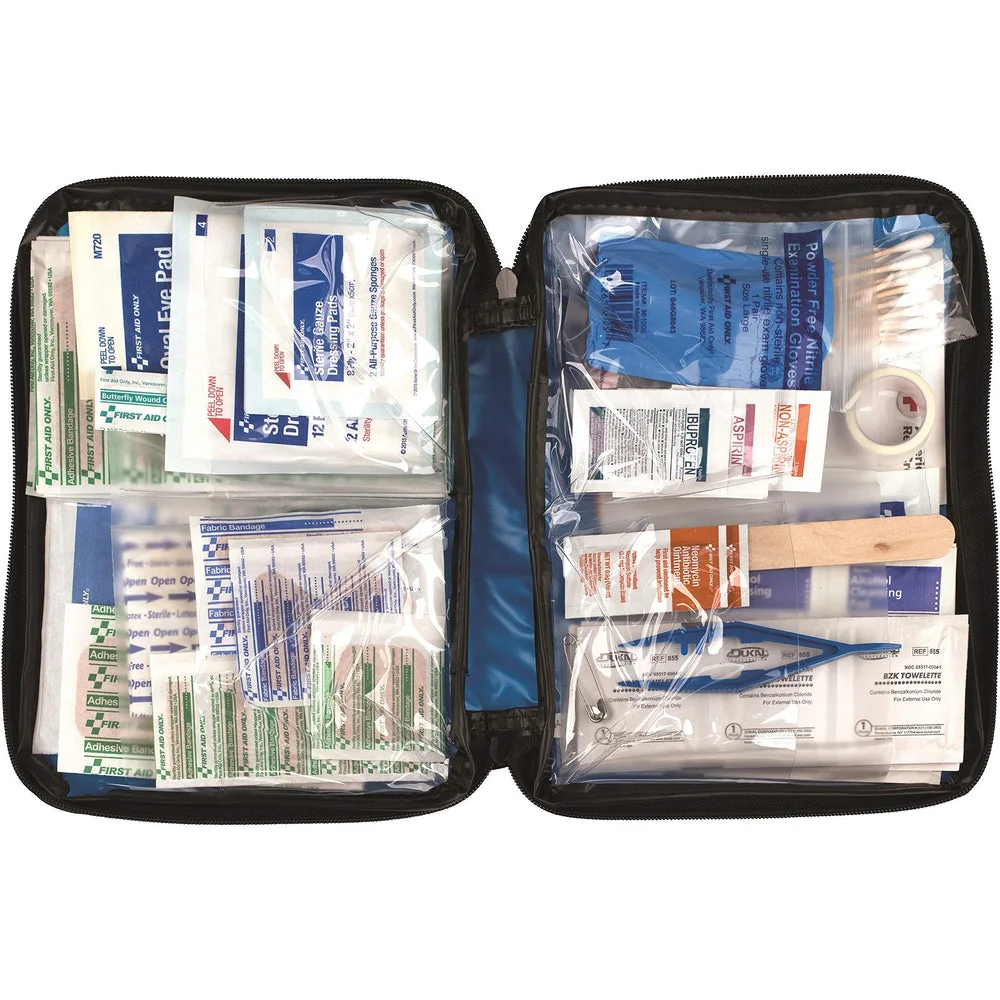
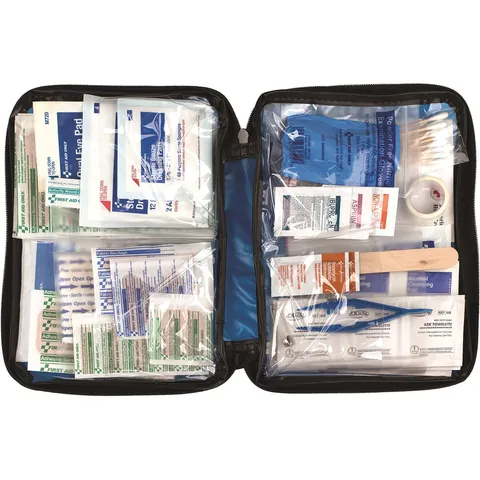
First Aid Only Stocked First-Aid Kit — FAO-428
Keep basic first-aid supplies accessible alongside your written care plan.
Stocked FAO-428 kit. Check the delivered contents, allergies and expiry dates. Not a substitute for necessary medical care or a medical-device power plan.
2. Stock up on drinking water
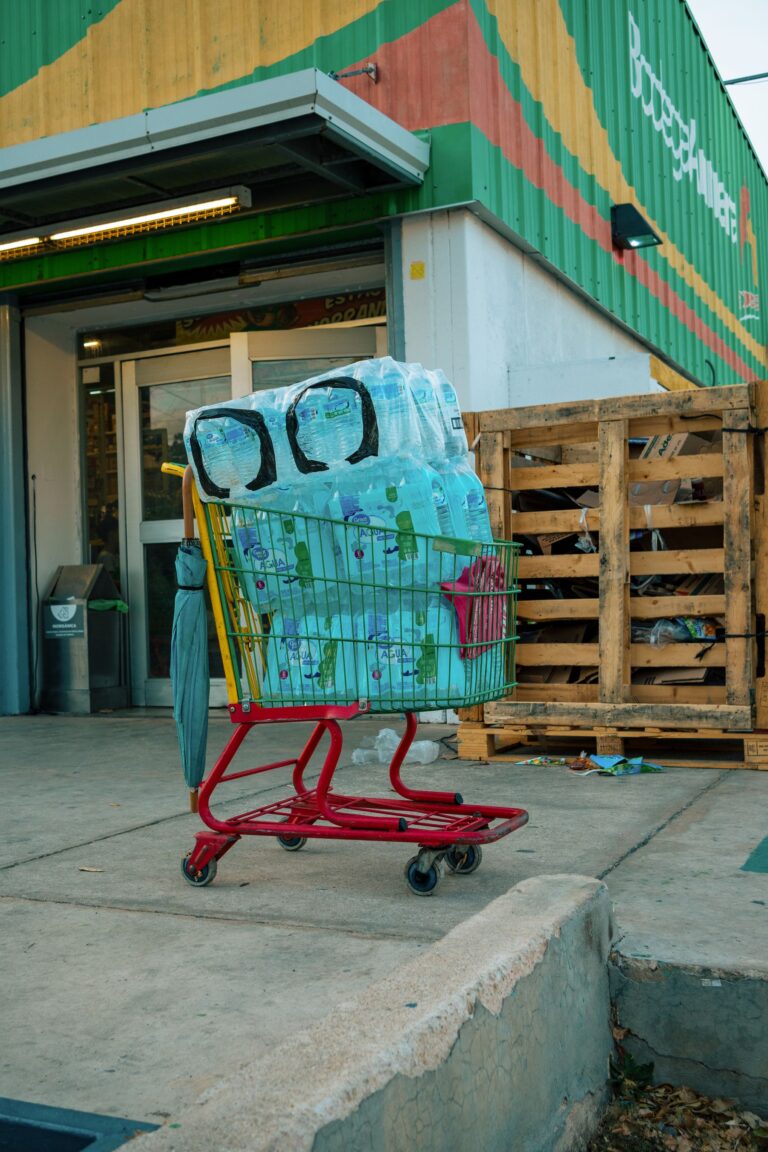
Depending on where you live, a power outage could also impact your water service (if you get your water from a well or if electricity is required to treat and pump water to your home). Even if your water service isn’t directly impacted, it’s a good idea to have a supply of drinking water on hand in case you receive a boil or do-not-use advisory. The CDC recommends having at least one gallon of water per person per day for at least three days on hand (so, for a family of four, that’s 12 gallons). They further recommend trying to stock up on two weeks’ worth of water if at all possible, which would be even more prudent in the event of a major power outage. Of course, depending on outside temperatures, the number of people and pets in your home, any illnesses, etc., you may need more than the CDC’s recommended amount. Keep in mind that 12 gallons of water is pretty heavy, you may want to consider breaking it up into smaller, more manageable (and liftable!) containers instead of trying to find one giant container to hold it all. Keep drinking water separate from any water you may stockpile for other uses (i.e. flushing the toilet).
Follow storage instructions for water storage containers (and don’t use containers that previously held chemicals or other substances!). You can also purchase cases of bottled water for storage. Make sure to date any stored water and rotate as necessary. If cost is an issue, you can always build up your water supply over time. Make sure any stored water is easily accessible (but not blocking an exit, of course).
If you receive a do-not-use advisory for tap water, use an alternate source of water that has been deemed safe by local officials. Not all water purification methods (filters, boiling, disinfecting, etc.) remove all contaminants, for instance, boiling your tap water will not make it safe to drink if it’s been contaminated with petroleum products or other chemicals.
Related supplies
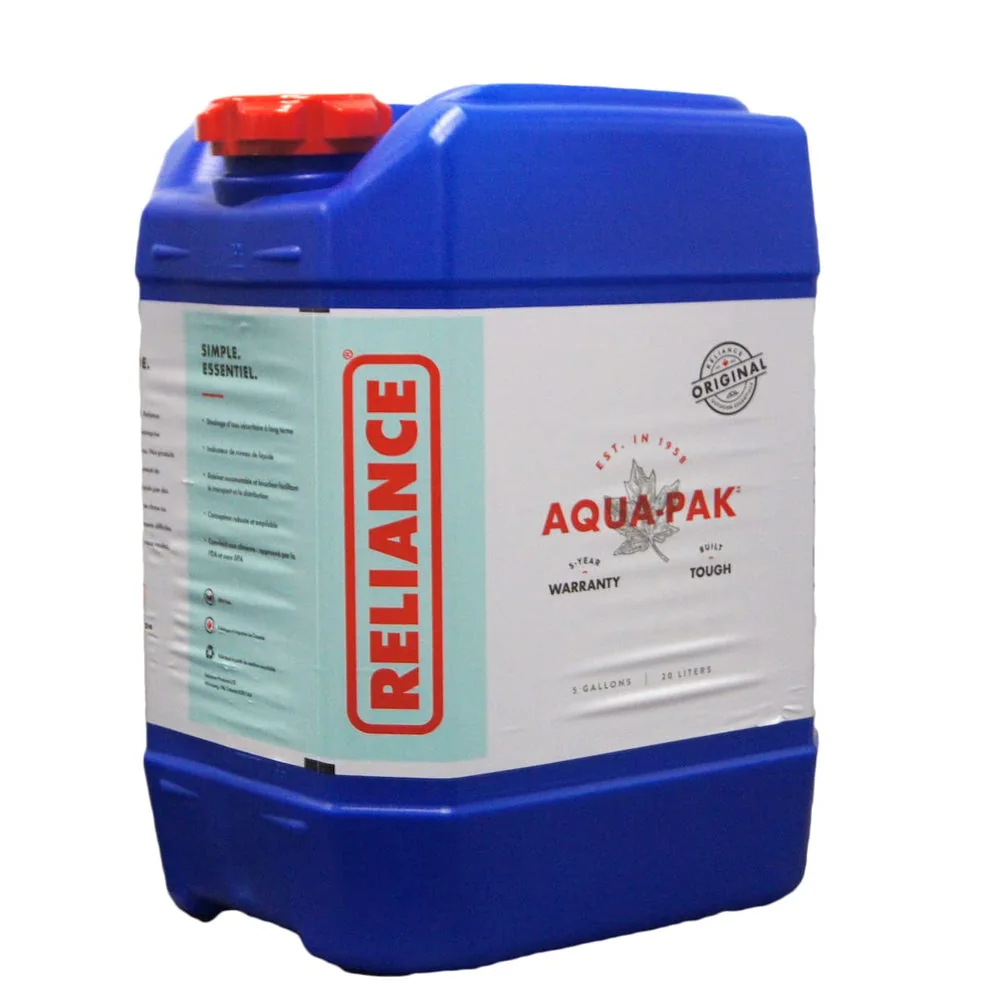
Reliance Aqua-Pak 5-Gallon Water Container
Store part of the household drinking-water reserve in a manageable location.
One empty five-gallon container. Water is not included. Follow cleaning and storage instructions and plan safe lifting.
3. Have a plan for avoiding extreme heat or cold
Depending on the time of year, your home may become uninhabitable long before you run out of food. Consider whether you live in an apartment (especially an upper floor apartment during a heat wave) or a stand-alone home (especially during a cold snap), if there are any infants, seniors, or individuals with medical conditions in your home, etc.
If temperatures are expected to be cold, keep blankets, extra socks, pajamas, bedding, etc. together in an accessible location. Pick a central location that everyone can congregate in that will be easy to light and keep draft-free (again, make sure there’s an easily accessible exit from this room, and don’t block any vents that provide combustion air!). While space blankets can add an extra layer of warmth, they aren’t a replacement for proper blankets or other ways to keep warm (especially during extended power outages).
If temperatures are expected to be hot, make sure you have an up-to-date list of cooling centers in your area (keep in mind that not all cooling centers may be accessible during certain emergencies, a school that was a cooling center last summer may not be this summer if there’s a flood, for instance). The CDC warns that using fans to circulate air in temperatures above 90°F may actually raise your body temperature, so don’t count on this as your sole solution for staying cool.
Decide ahead of time at what point it would be safer to relocate to a friend or relative’s house, cooling center, hotel, etc. instead of staying home. Don’t base this decision solely on temperature, take into account humidity levels, anyone’s medical needs or conditions, ease of accessibility to medical assistance, etc. under no circumstances should you use a charcoal grill, camp stove, or any appliance not intended for indoor use to heat your home!
Related supplies
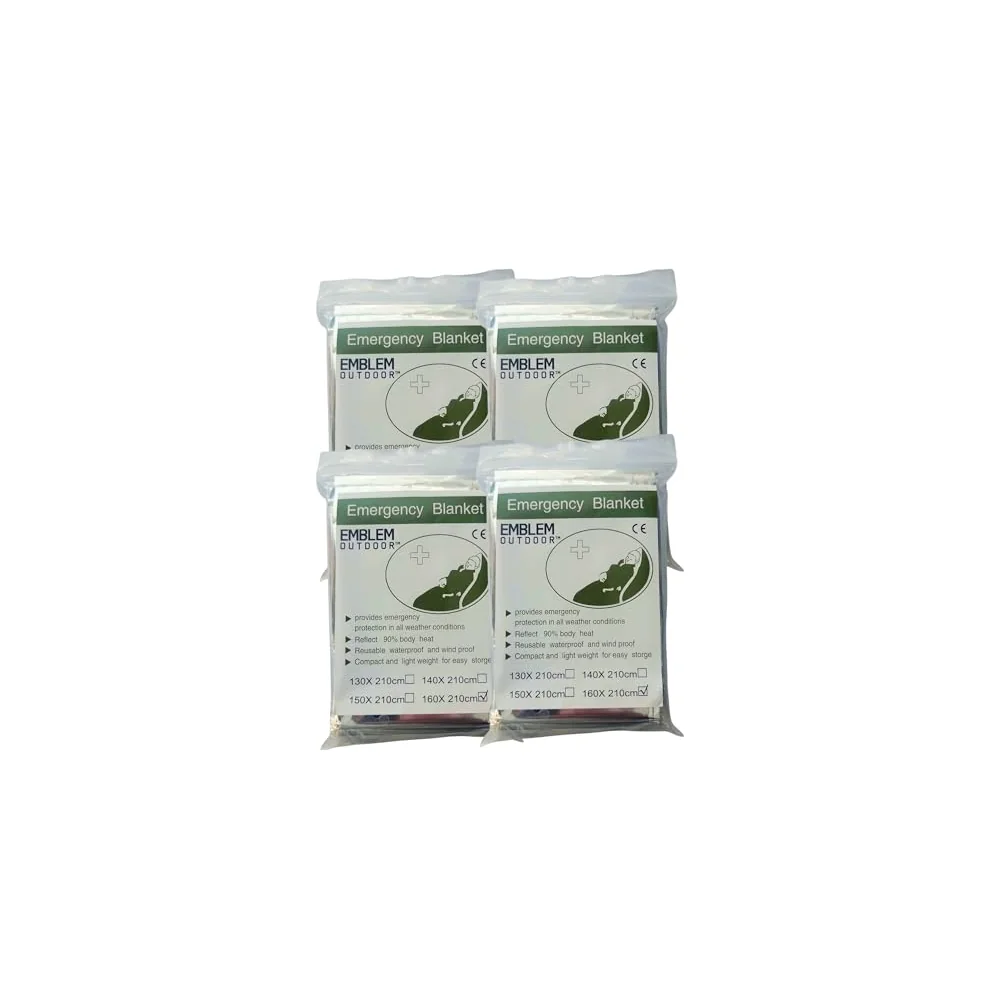
Compact Mylar Emergency Blankets — 4 Pack
Keep a compact supplementary layer with cold-weather supplies.
Four mylar blankets, approximately 84 × 55 inches each. Keep away from flames; these do not replace warm clothing, insulated bedding or safe heated shelter.
4. Plan meals that don’t require cooking or refrigeration
Rather than ordering a giant bin of freeze-dried meals (or just stocking up on rice, especially if you have an electric stove and limited access to water!), consider what kinds of meals your family would actually eat during a few power outage days. Obviously, you want to focus on foods that are shelf-stable and don’t require cooking, but also consider any allergies, dietary restrictions, texture aversions (especially with kids), etc. Canned or shelf-stable beans, fish, fruit, milk, nut or seed butters, crackers, etc. could all potentially be part of your meal plan, just be sure to read the labels on these items to see if they need to be refrigerated after opening.
Breakfast? Lunch? Dinner? Snacks? Plan ahead of time what you’ll serve at each meal for each member of your family.
Don’t forget to stock up on a can opener (make sure it’s not electric!), plates, utensils, etc. as well. While emergency rations can certainly be part of your meal plan, don’t forget that they’re not really meals, they’re rations. And even though a case of emergency rations may say it provides X number of servings, that doesn’t necessarily equate to X number of days of meals for your family, do your homework on the calorie and nutritional content of these items to make sure you’re getting what you need.
If you’re planning on having an outdoor camp stove as a backup cooking method, make sure it’s legal and safe to do so (especially if you live in an apartment or condo, some complexes don’t allow you to keep propane tanks or other cooking implements on the premises!). And even if you do have a camp stove, have meals planned that don’t require cooking in case you’re unable to cook outside for whatever reason (weather, air quality, accessibility, etc.).
Related supplies
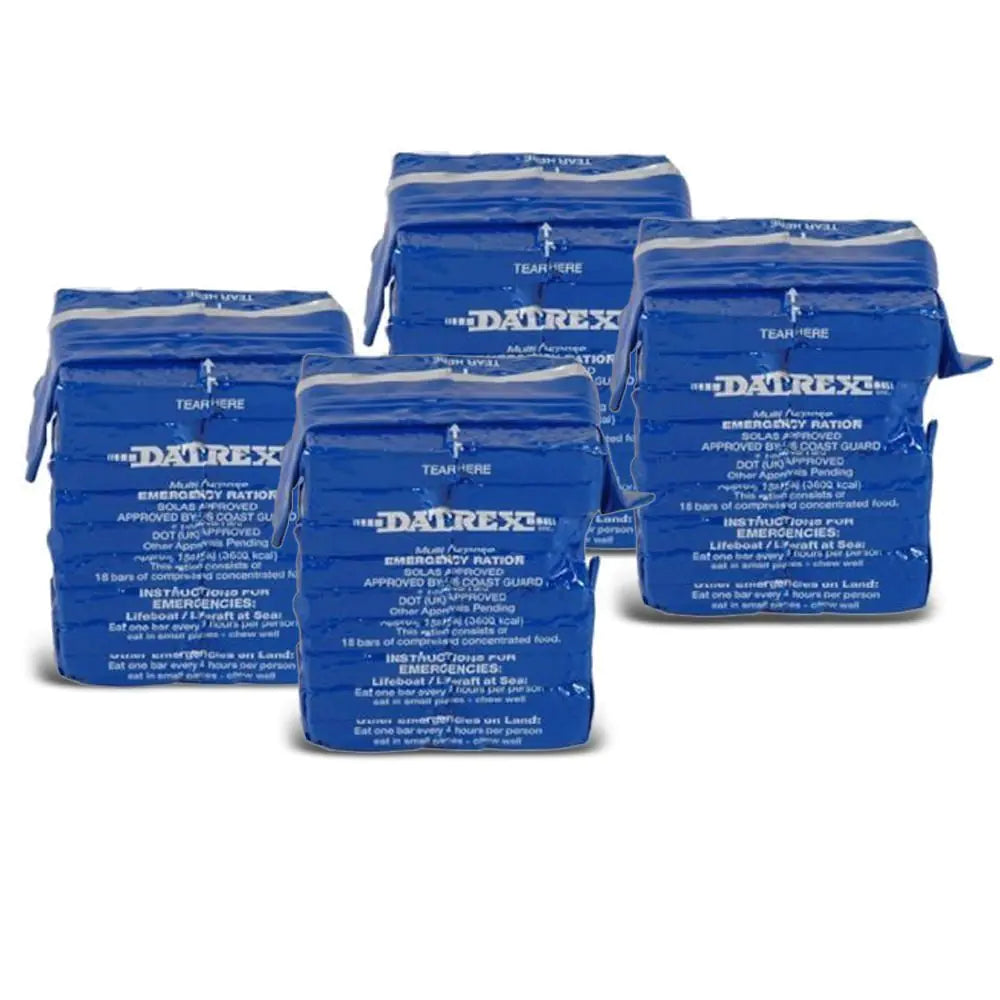
Datrex Emergency Food Rations — Four 3,600-Calorie Packs
Add ready-to-eat food that needs no stove or preparation water.
Four 3,600-calorie packs; 14,400 calories total. Contains wheat. Drinking water is not included; ration bars are part of a broader food plan.
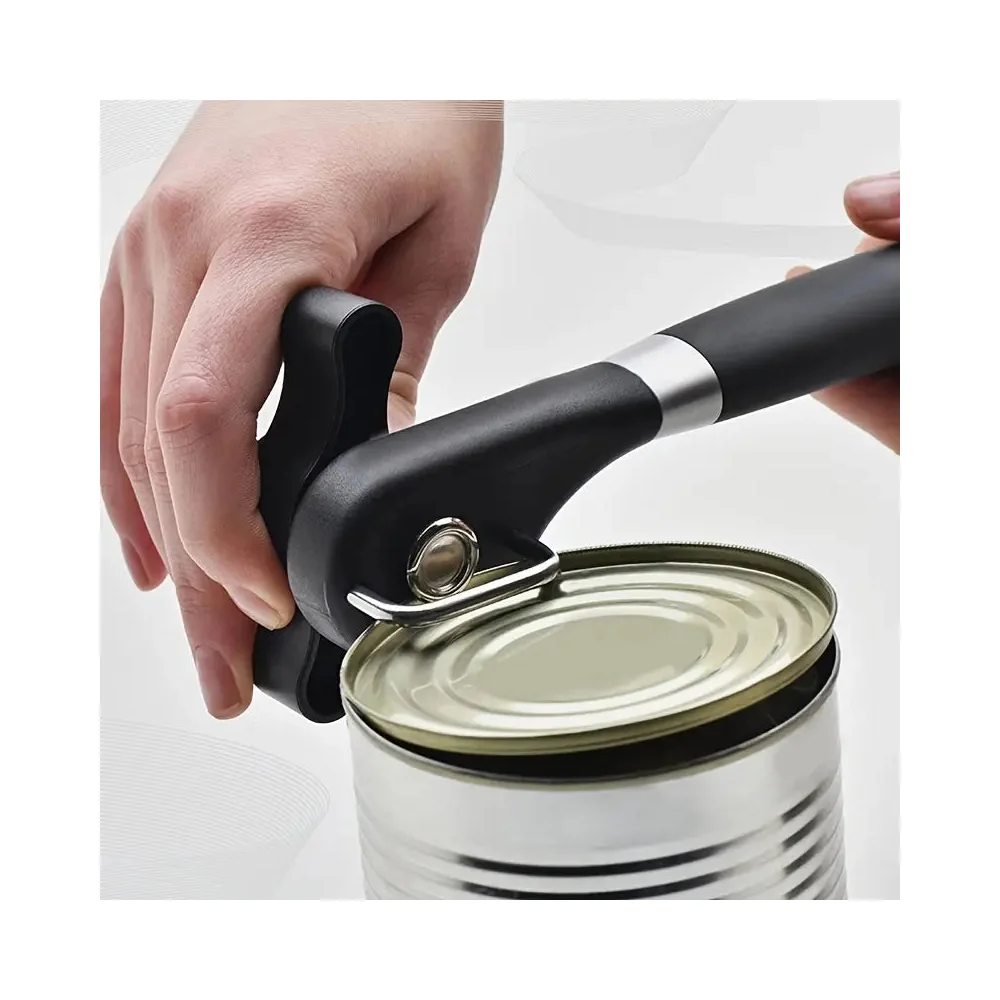
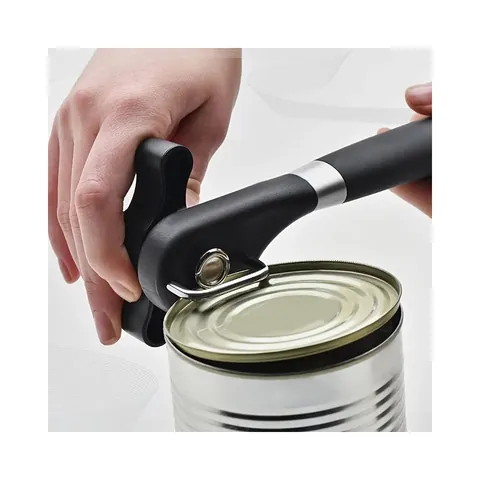
Easy-Grip Manual Can Opener
Open the household's canned foods without electricity.
One manual can opener. Test operation and grip with the person who will use it.
5. Protect perishable foods with a thermometer and food safety plan
Everyone hates throwing away food, but it’s especially frustrating when the power goes out and you’re not sure how long the food in your fridge or freezer has been sitting out. Invest in a thermometer for your fridge and freezer (and learn how to use it!), and print out some instructions on what to do with perishable foods during a power outage ahead of time so you’re not winging it later.
According to the FDA, a fridge should keep food at a safe temperature for approximately 4 hours during a power outage (as long as the door stays closed!), a full freezer for about 2 days (48 hours), and a half-full freezer for about 1 day (24 hours). Of course, these times can vary depending on outside temperatures, how often you open the doors, etc. so a fridge thermometer can help give you an idea of what’s going on inside, but it won’t tell you what the temperature has been for the past 12 hours if you haven’t been home!
If you expect your power outage to last longer than a few hours, consider having a cooler on hand (with ice packs and a thermometer) to transfer select perishable items to if they’re still at a safe temperature. Be sure to follow food safety guidelines when deciding whether or not to toss out any perishable items, when in doubt, throw it out! Don’t taste food to determine if it’s still good, and remember that just because something doesn’t smell bad doesn’t mean it’s safe to eat. Make sure raw meat, poultry, and seafood aren’t packaged in a way that could allow any juices to drip on other foods (especially those that won’t be cooked before eating).
This is another reason not to count on the contents of your fridge as your main source of emergency foods, have a backup plan that doesn’t rely on cold temperatures! And while throwing away spoiled food can be expensive, don’t put your family’s health at risk to save a few dollars, document any losses (take pictures, etc.) in case you’re able to file an insurance claim later. Note that these guidelines pertain to food, some medications need to be kept cold as well, so follow the instructions on those items separately.
Related supplies
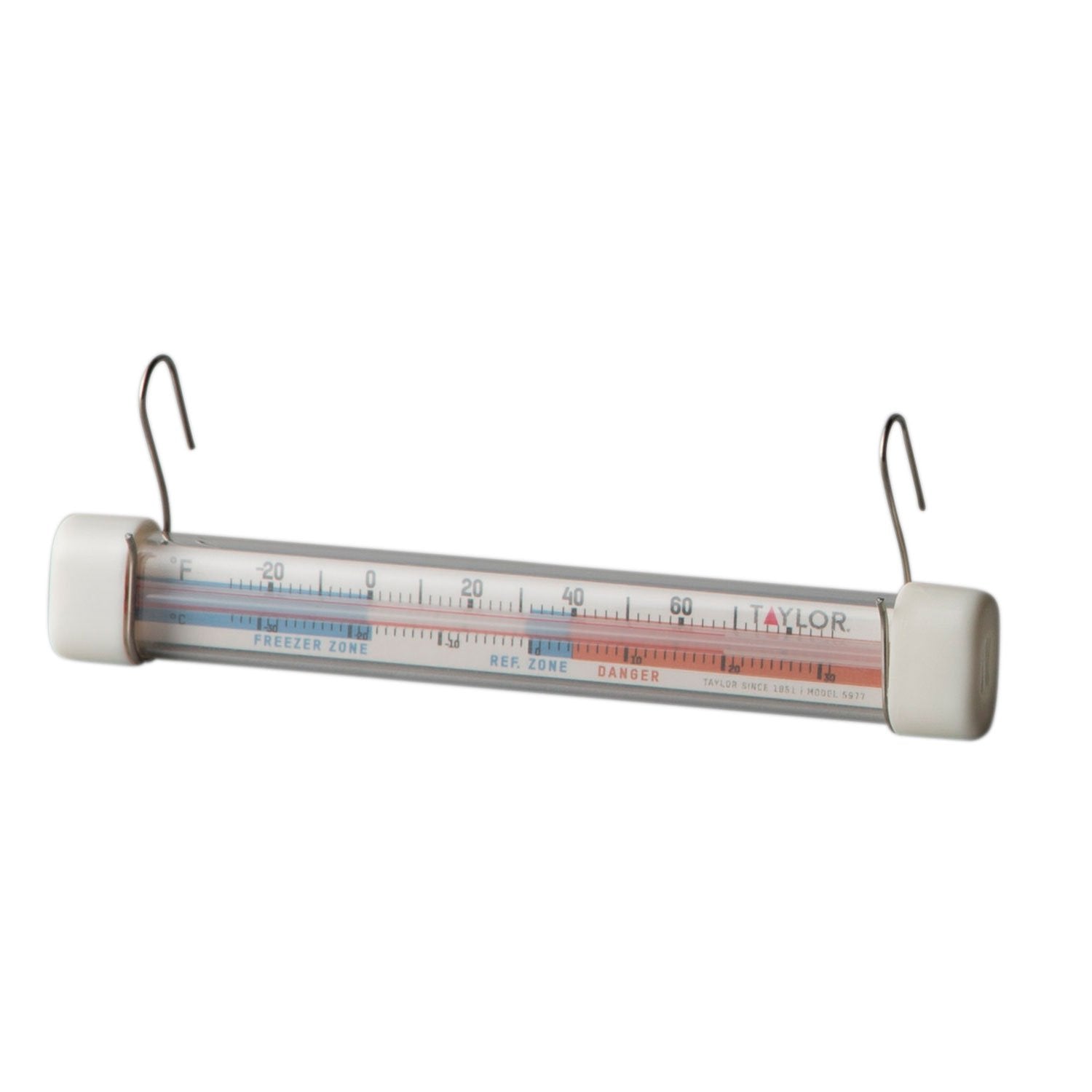
Taylor Refrigerator & Freezer Thermometer
Include temperature checks in the cold-food plan.
One Taylor 5977N refrigerator/freezer thermometer. It does not keep food cold or establish an appliance's earlier temperature history.
6. Protect bathroom access with a sanitation plan
Depending on your situation (do you live in a high rise? Do you have a septic tank? Does your toilet use an electric sewage ejector pump to get waste to the main sewer line?), you may or may not be able to continue using your bathroom during a power outage. Do some research ahead of time (call your HOA or condo co-op, your septic or sewer company, etc.) to find out what, if any, backup plans they recommend. And just because you can add water to your toilet bowl doesn’t necessarily mean it’s safe to use during a power outage!
If you won’t be able to use your regular bathroom during a power outage, consider having some sort of backup toilet available (just make sure it’s accessible for everyone in your home, height, stability, ease of cleaning, privacy, etc.). You’ll need to make sure you have all the appropriate supplies on hand to use and properly dispose of waste from this backup toilet (plastic bags may or may not work, follow the directions that come with your backup toilet as well as any local ordinances on waste disposal). It’s not a good idea to dispose of waste from a backup toilet in storm drains, and it’s probably not feasible (or legal) to bury it in your tiny city lot either!
During a power outage (especially one brought on by bad weather), garbage collection services may be suspended as well, so have a plan for where you’ll keep sealed garbage bags until they can be properly disposed of. Make sure everyone knows not to use storm drains to dispose of garbage!
Don’t forget to stock up on extra TP and other bathroom items as part of your emergency supplies! If you have small children, plan ahead of time for how you’ll dispose of diapers during a power outage as well.
Set up handwashing with safe water and soap. Soap sheets require water; they are not hand sanitizer. Never mix household cleaners.
Related supplies
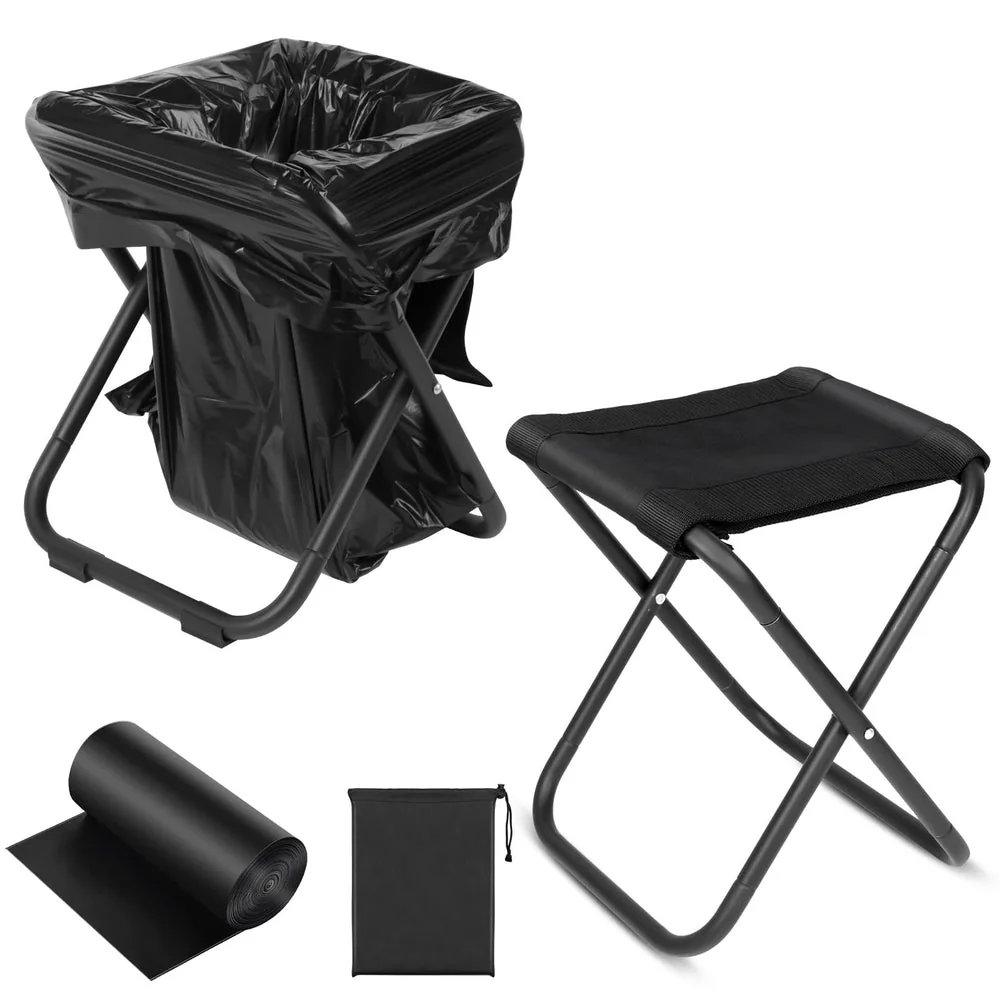
Folding Emergency Toilet with 15 Liners
Prepare a temporary bathroom option if household plumbing cannot be used.
One folding toilet, 15 liners and storage bag. Supplier-stated maximum user weight: 260 pounds. Low seat may not suit users needing mobility support; follow local waste rules.
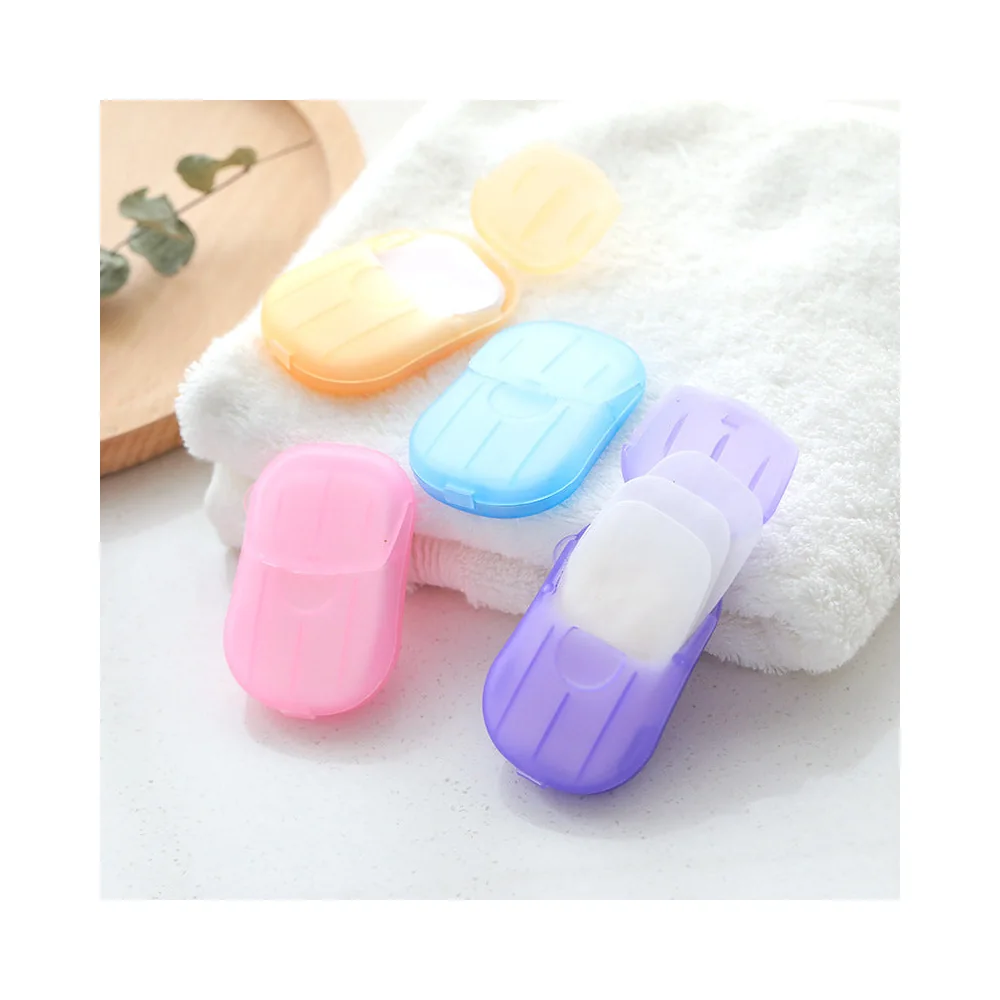
Portable Soap Sheets — 20 Count
Keep soap with a safe-water handwashing setup.
20 soap sheets. Requires water; not hand sanitizer or disinfectant. Follow the supplied instructions.
7. Protect against the dark with a lighting plan
Stock up on flashlights for each member of the family and keep them charged (or stocked with extra batteries) at all times. Consider having at least one light available in each bedroom as well as one to use on the way to the bathroom at night. Flashlights that can be worn on your head can free up your hands to do other things (help a child, cook a meal, read instructions, etc.). Consider having a lantern available as well to provide general lighting in a central area of your home so everyone isn’t having to lug around a flashlight all the time.
If you have rechargeable flashlights, make sure you have a plan for recharging them during a power outage. If your flashlights use batteries, make sure you stock up on the right kind, and consider labeling the flashlight container with what kind of batteries they use so you’re not digging through junk drawers later trying to figure it out! Store extra batteries in a child-proof container away from conductive materials (loose change, etc.).
Make sure your family lighting plan includes more than just flashlights. Consider purchasing motion-sensor lights that can be set up in key areas of your home (hallways, staircases, etc.) to help everyone navigate your home more easily during a power outage. Prefer battery lights over candles or other flame-based lighting.
During a power outage, it’s important to keep all exits accessible and make sure nothing is blocking walkways in your home (like extension cords), so make sure your lighting plan takes this into account as well. You don’t need to be able to light up your whole house during a power outage, just be able to safely navigate your way around!
Related supplies
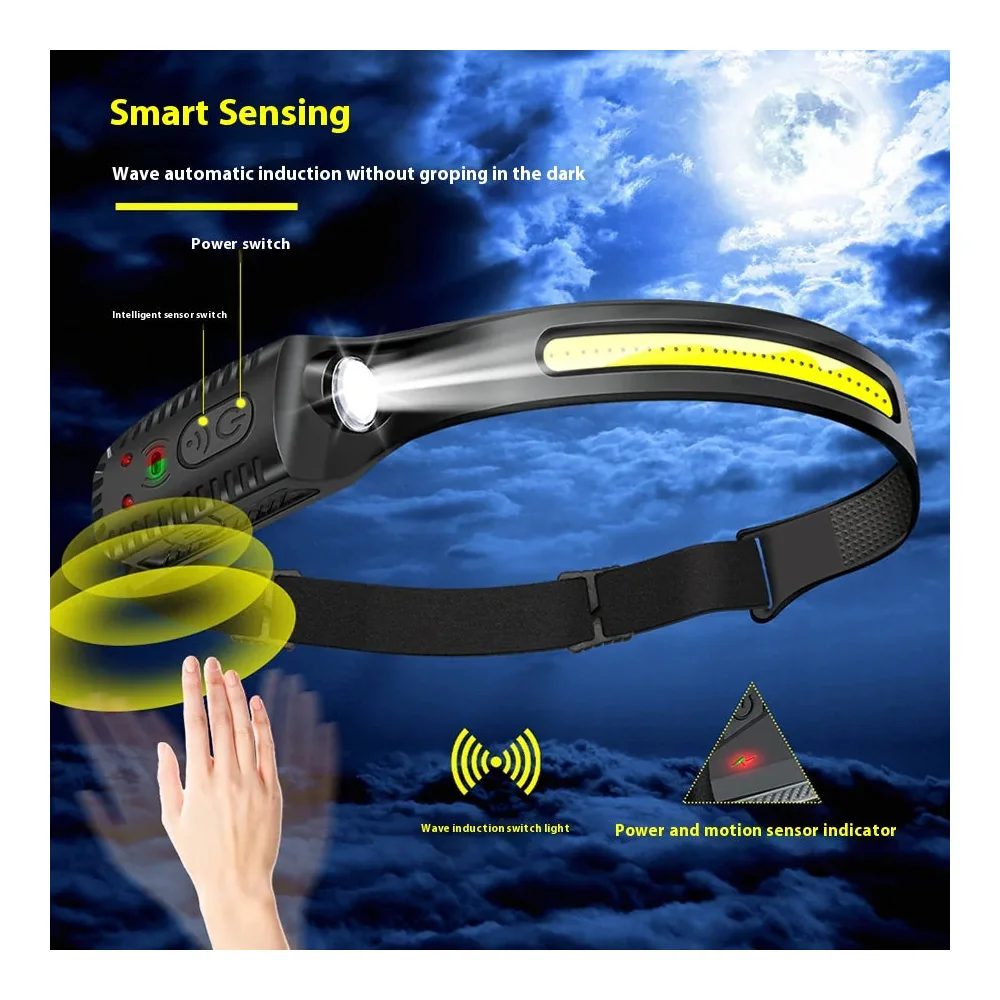
USB-C Rechargeable Hands-Free Headlamp
Use hands-free light for essential household tasks.
One USB-C rechargeable headlamp. Charge it and test the controls before an outage; include a charging plan.
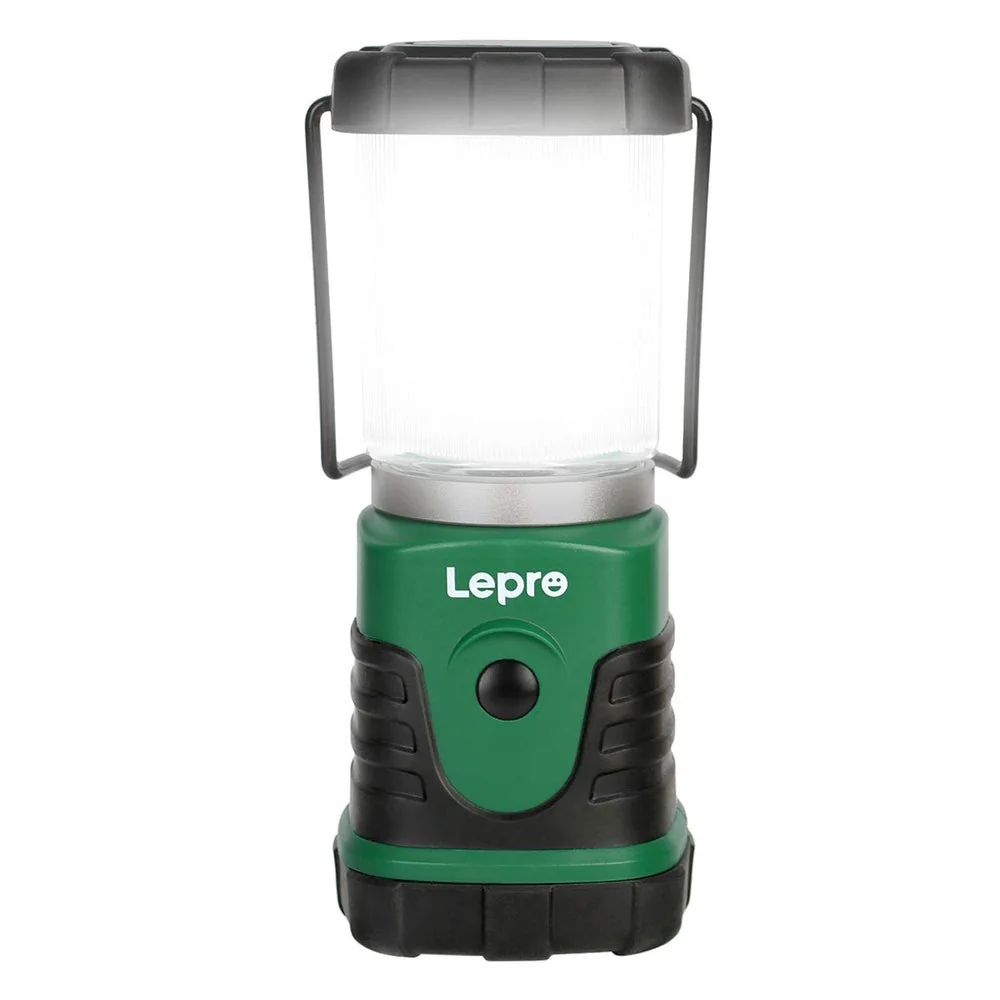
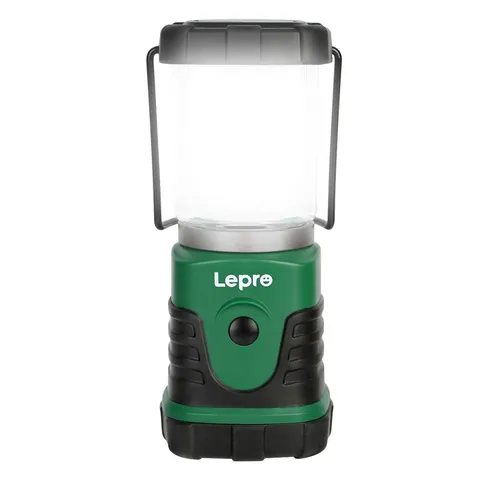
Lepro AA Battery Lantern
Light a shared room with replaceable batteries.
Requires three AA batteries, sold separately. Check the light and keep the correct spares accessible.
8. Match backup electricity to a short list of essential loads
Start with a list of the loads you expect to connect to a backup power source, not with a list of products that may be interesting to own. Some loads you may want to power all the time. Others only occasionally. List the power in watts (or amps and voltage) required by each device, how long you’d like to be able to run each device, what kind of plug it uses, and any limitations the manufacturer places on running the device from a battery. Don’t guess at whether medical equipment will work with a consumer battery, inquire directly with the supplier.
Watt-hours measure how much energy is stored in a battery. Watts measure how fast a device can use the energy from a battery. (Some devices also have starting loads greater than their running loads.) Ten watts of load connected to a battery for ten hours would use one hundred watt-hours of energy (in reality, you wouldn’t get exactly ten hours from that battery because of inefficiencies, battery age, trickle loads, variable loads, etc.).
Some devices can be powered by small batteries and solar panels, but you probably shouldn’t expect to heat your house or run your whole fridge from a battery pack that can power your cell phone and laptop (if it can power your laptop at all). Try out configurations you plan to use and leave a safety margin. Don’t assume the largest number printed on a product’s label will meet your needs.
The amount of power produced by a solar panel depends on many factors including: sun intensity, weather, panel orientation, and the design of the panel and related equipment. Solar panels don’t store power to use at night. A USB solar charger may or may not be able to charge your particular battery pack, check that both the connections and the charging requirements match. If you have solar panels connected to your home’s electrical system, ask the installer if and how they could power some of your home’s circuits during an outage, typically, grid-tied solar power systems will not power a home during an outage.
Related supplies
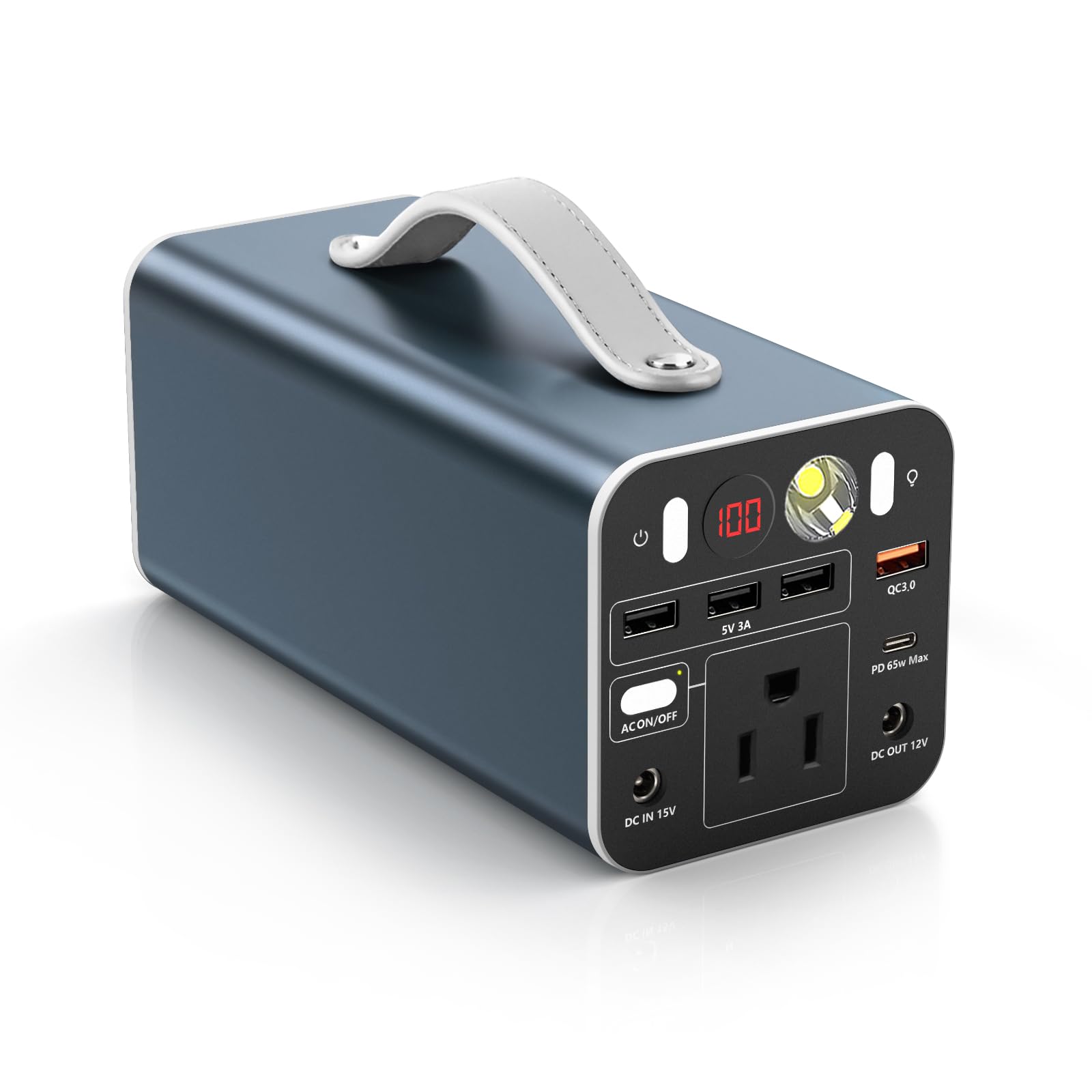
Powdeom Portable Power Station — 155Wh / 150W
Reserve energy for compatible small devices.
155Wh capacity; 150W AC output. Not presented as a heater, refrigerator or essential medical-device backup. Check input requirements and total load.
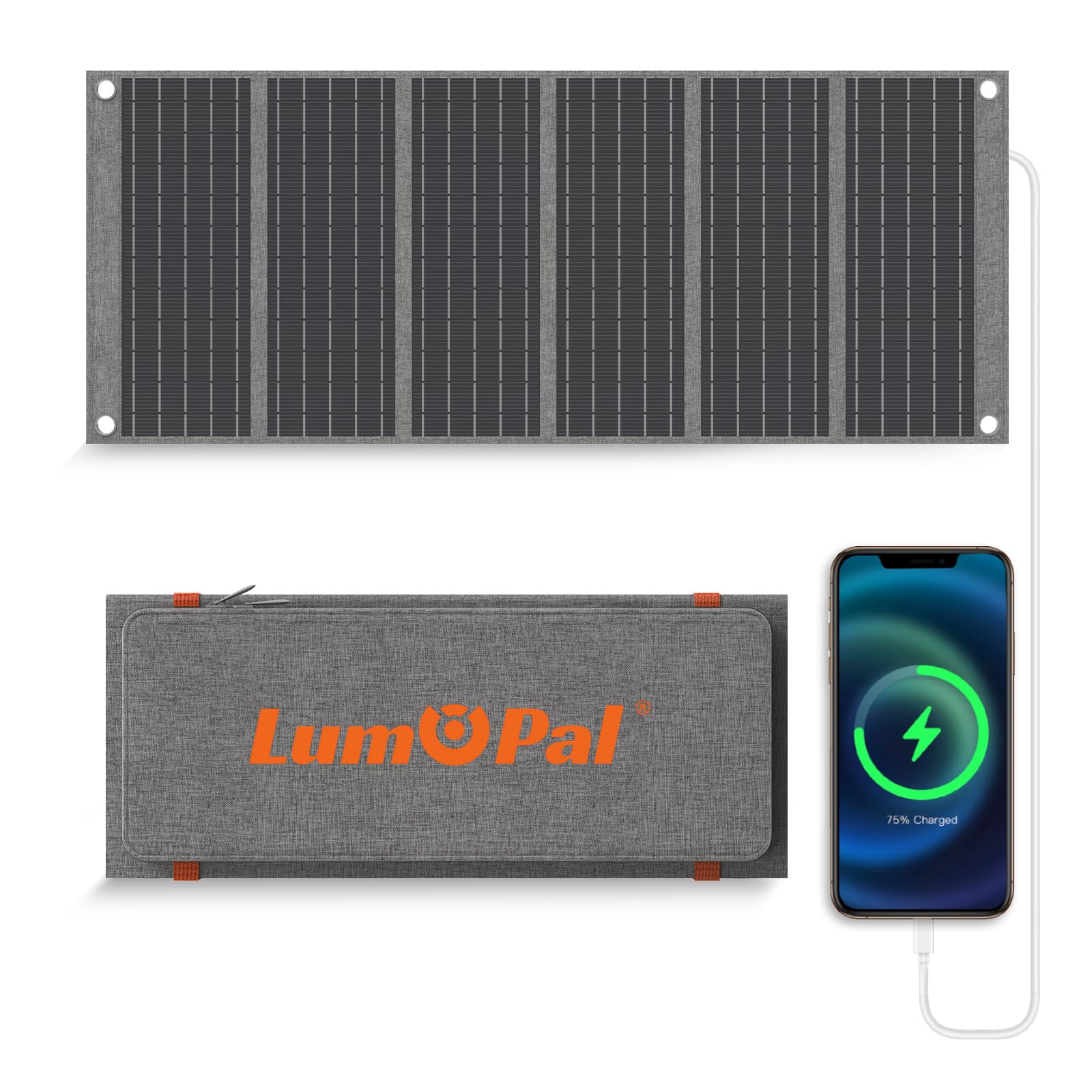
LUMOPAL Folding USB Solar Panel — 30W
Add daylight charging for compatible USB devices.
30W folding panel; no battery included. Ports are not waterproof. This listing does not establish compatibility with the power station shown above.
9. Solve generator safety and fuel storage before relying on a generator
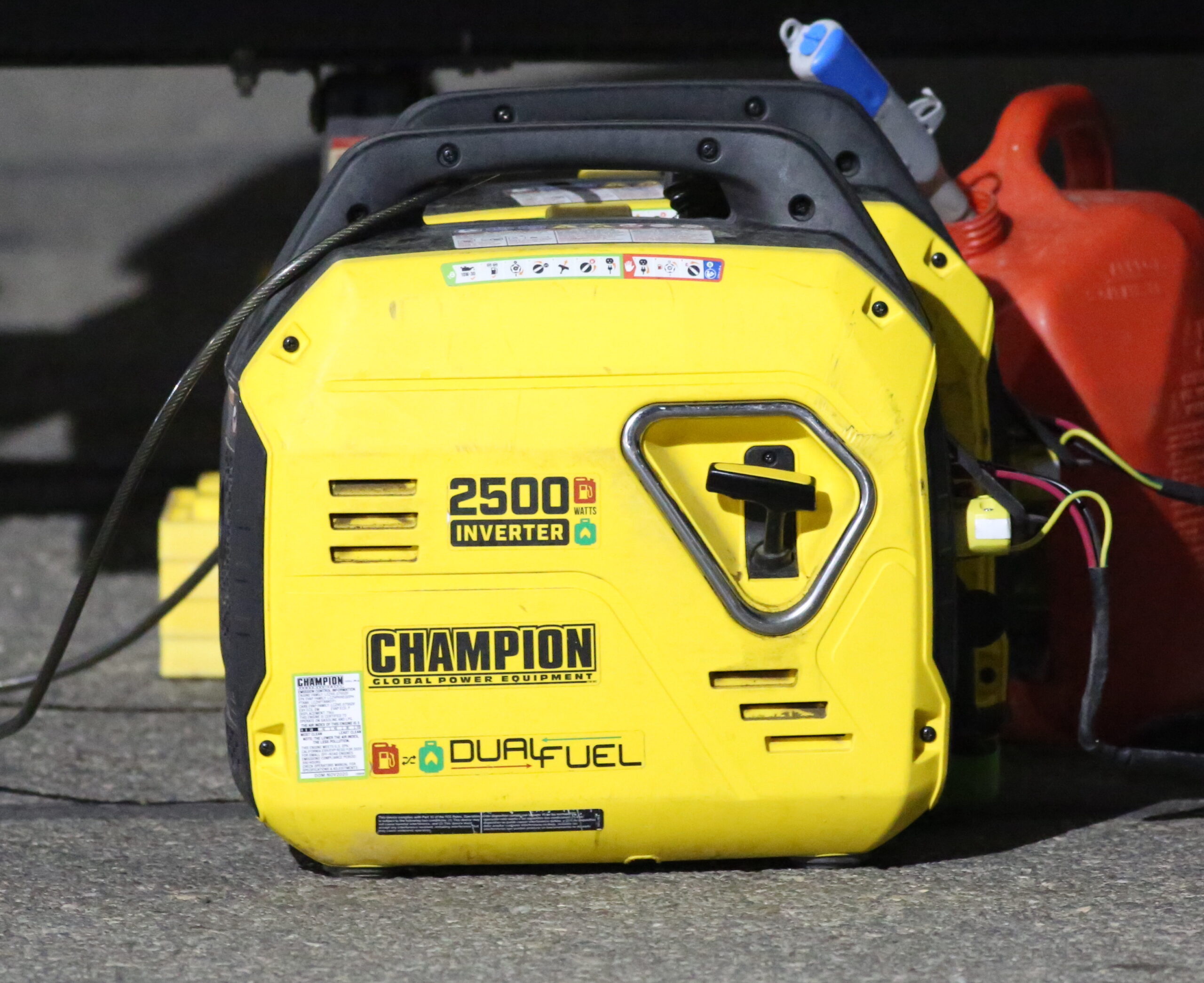
If you’re considering purchasing a fuel-powered generator, figure out where you could safely run it on your property before buying one. (Not on a balcony, porch, or other covered area, and not with the garage door open!) Consider where neighbors’ windows and doors are located, weather protection, noise, and security.
Fuel-powered generators should only be operated outdoors and away from windows, doors, and vents, at least 20 feet from homes with exhaust facing away, according to the Consumer Product Safety Commission. Never operate a generator indoors. Have carbon monoxide detectors in good working order. If a carbon monoxide alarm goes off, evacuate the building and call for help, don’t investigate a generator while it’s still running. Don’t assume that a generator with a carbon monoxide shutoff can be safely operated in an enclosure.
Never plug a generator directly into an outlet in an attempt to power appliances and lights wired to your home’s electrical system. Have a qualified electrician install a proper transfer switch or other code-compliant connection if you want to power your home’s electrical system from a generator. Otherwise, connect appliances directly to the generator’s outlets using the types and gauges of cords specified by the generator’s manufacturer. Don’t wing it!
Don’t store more fuel than allowed by local fire codes and keep fuel in approved containers. Never add fuel to a generator that’s hot or still running. Plan on periodically starting and maintaining your generator and replacing its fuel before you need it. Have a plan for using less power if fuel is scarce, and if you can’t find a safe place to run a generator, don’t waste your money on one. Consider other backup power options and plan on evacuating if necessary.
10. Build an information routine that does not depend on social media
It’s easy to panic or overestimate the scope and duration of an outage when your neighborhood is dark and someone’s posting alarming updates on social media. Decide in advance who you’ll get information from during an outage (e.g., your electric and water utilities, local emergency management, National Weather Service, local TV and radio stations) and make a list of their phone numbers, websites, and radio frequencies while it’s still easy to look them up.
NOAA Weather Radio broadcasts weather and other emergency information. Decide what kind of NOAA Weather Radio would be useful to you and make sure it works in the places you plan to use it. Being able to receive NOAA Weather Radio doesn’t necessarily mean your radio will automatically wake you up during an emergency, some models and configurations can issue alerts automatically, but you should make sure yours can if that’s important to you. Some NOAA Weather Radios can be programmed to only respond to alerts for certain areas.
A battery-powered AM/FM/NOAA radio that’s tuned manually can also be a good way to check in on broadcasts periodically during an outage. Charge or replace its batteries in advance and make sure you know how to operate it. Don’t expect to listen indefinitely or charge your phone quickly from a radio’s hand crank or solar panel. Radio broadcasts can also be affected by outages and other emergencies, so have more than one source of information.
Decide how often you’ll check for updates so you’re not constantly monitoring radio or TV broadcasts or using up your devices’ batteries. Jot down the time and content of significant updates. Keep rumors and speculation separate from official information and keep estimates separate from certainties. Share confirmed, practical information with the rest of your household. You don’t need to listen to everything that’s said to make good decisions about how to maintain a comfortable temperature, conserve water, or evacuate.
Related supplies
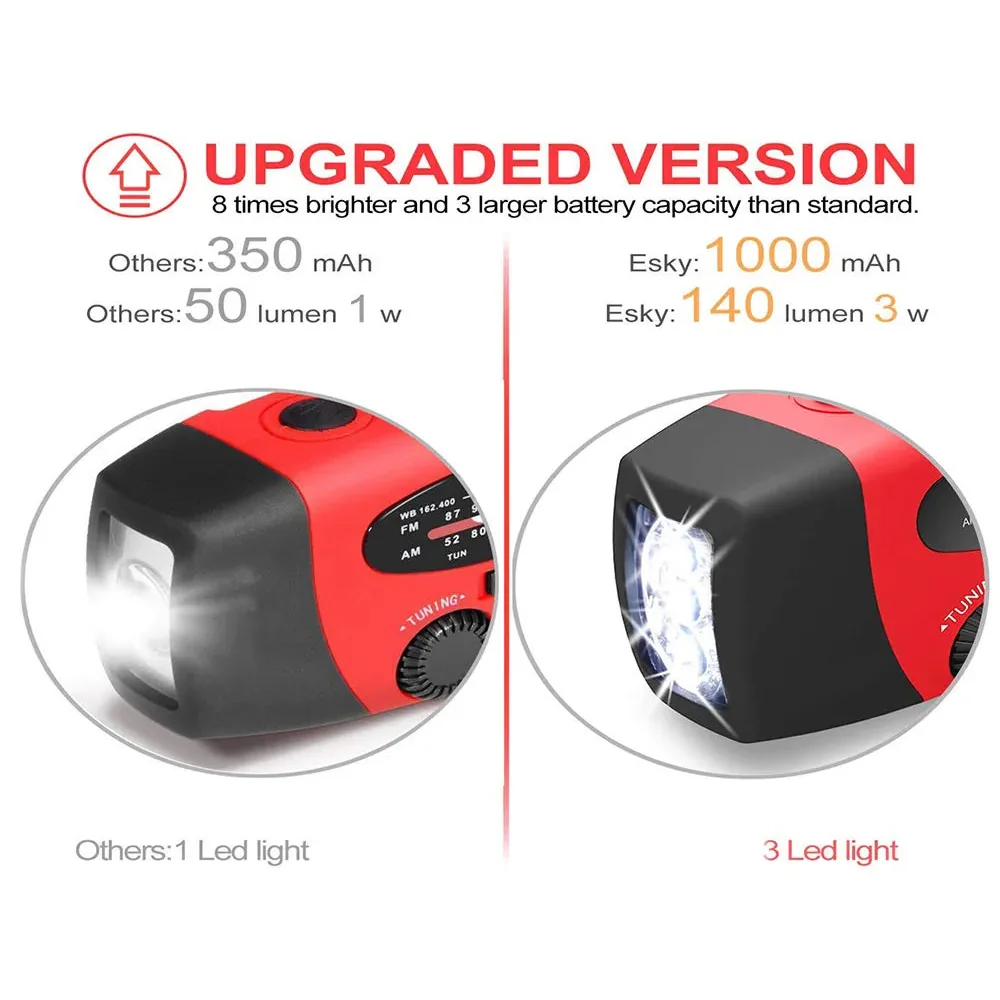
Hand-Crank AM/FM/NOAA Weather Radio
Listen to local AM/FM and NOAA broadcasts without home internet.
Manually tuned receiver. USB, crank and solar charging options; this listing does not claim automatic weather alerts.
11. Prepare a family communication plan that works on paper
Decide where people in your household should meet and how they should communicate if regular means of communication are disrupted. Think of a place nearby where you’d all try to reunite, a backup meeting place farther away, and a contact person outside the immediate area who could help relay messages. What if your child is at school, your spouse is at work, and your caregiver usually arrives by public transit?
Put your communication plan in writing where everyone can access it (including in your go-bag and document storage area) and include any phone numbers or addresses you’d need to carry it out. Include phone numbers you wouldn’t normally have to think about (because they’re already saved in your phone). Consider whether anyone would benefit from having the communication plan in large print, another language, or with pictures.
When networks are strained, sending text messages instead of making phone calls may be more successful (but there’s no guarantee of success). Agree in advance on how people should update each other (where they are, whether they’re OK, when they’ll check in again) and how to conserve phone batteries (there are often ways to do this, but don’t miss important medical or emergency alerts). Keep phone chargers and cords together and accessible.
Other kinds of communication equipment may be impacted during an outage. Many cordless phones, internet-based phones, and wireless routers need electricity to function. Some apartment or office building intercom systems and keypads may, too. Don’t assume just because it looks like a landline telephone that it doesn’t need electricity. You can’t magically get cell service back with a written communication plan, but at least everyone will be on the same page if a text doesn’t go through.
Related supplies

Household Emergency Notes Notebook
Keep household contacts, check-in arrangements and supply notes on paper.
Blank notebook, not a preprinted emergency guide. Fill in and review your own information.
12. Plan separately for children, pets, and caregiving routines
Consider everyone’s daily (including nighttime) care needs and write down everything you’d need to continue providing that care. Depending on the people you care for, that might include diapers or incontinence products, skin care products, cups or straws that are easier to use, sensory items, or objects that help people feel more settled. Stock up on what you need (in addition to planning for food and water for everyone).
If you care for an infant, plan ahead with appropriate experts about feeding your baby during an emergency. CDC’s emergency infant feeding information says that ready-to-feed formula is the safest type of infant formula to use during an emergency. Never thin out or stretch formula or prepare your own alternative. Always follow instructions on preparing and using each product and seek expert advice for your own situation.
For pets, stock up on food (the kind they’re used to eating, don’t guess that any pet food will do), water, bowls, medications, leashes or other equipment to keep them contained, and ways to identify them. Practice opening and using carriers. Find out ahead of time whether pets are allowed wherever you might go (shelters sometimes make different rules for pets and for service animals).
If at all possible, line up a backup person who can step in to provide care. Show them where everything is, how to use any equipment, and any other instructions they’d need. They may be your only option if the person you usually count on can’t get to you because of an outage. Having a written down process and practicing it means you won’t count on a vulnerable adult or scared child to be able to explain everything.
Related supplies
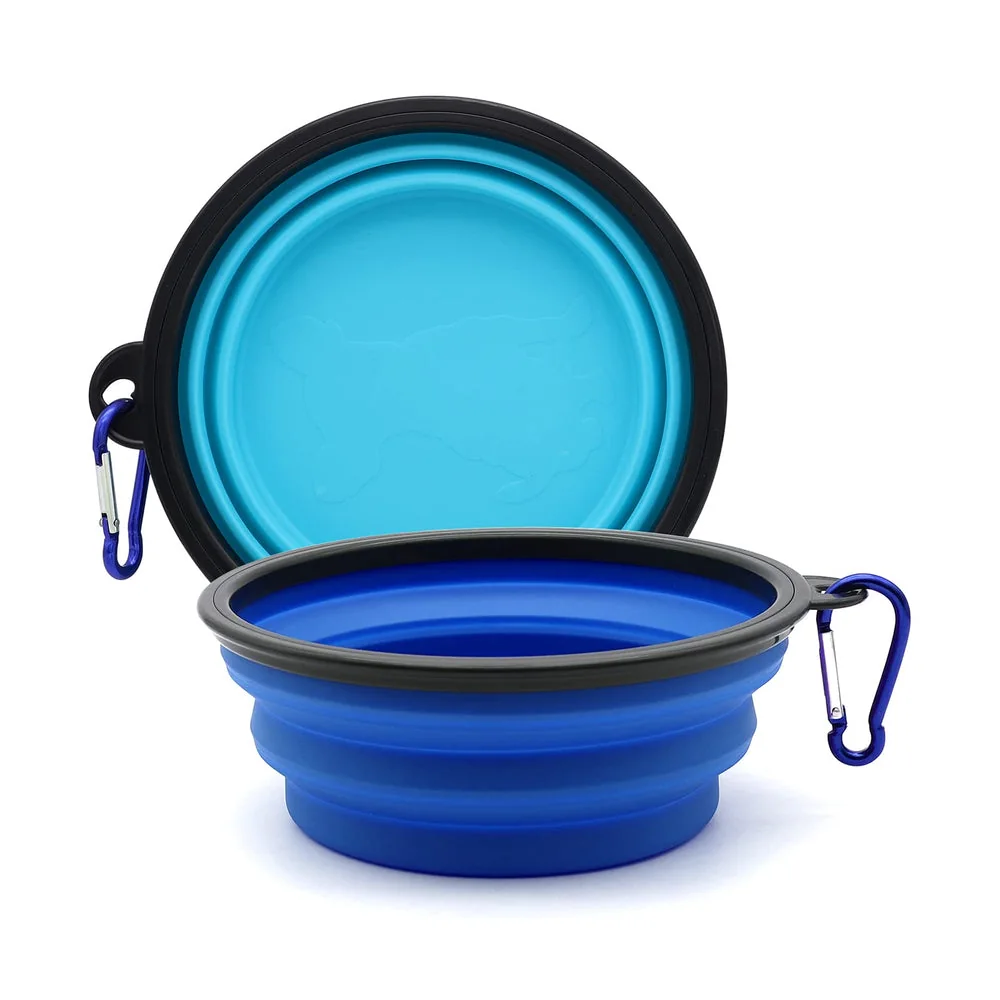
Collapsible Pet Bowls — Set of Two
Keep familiar feeding and drinking equipment with pet supplies.
Two collapsible bowls. Food, water, medicines and restraint equipment are not included; choose a suitable size for your pet.
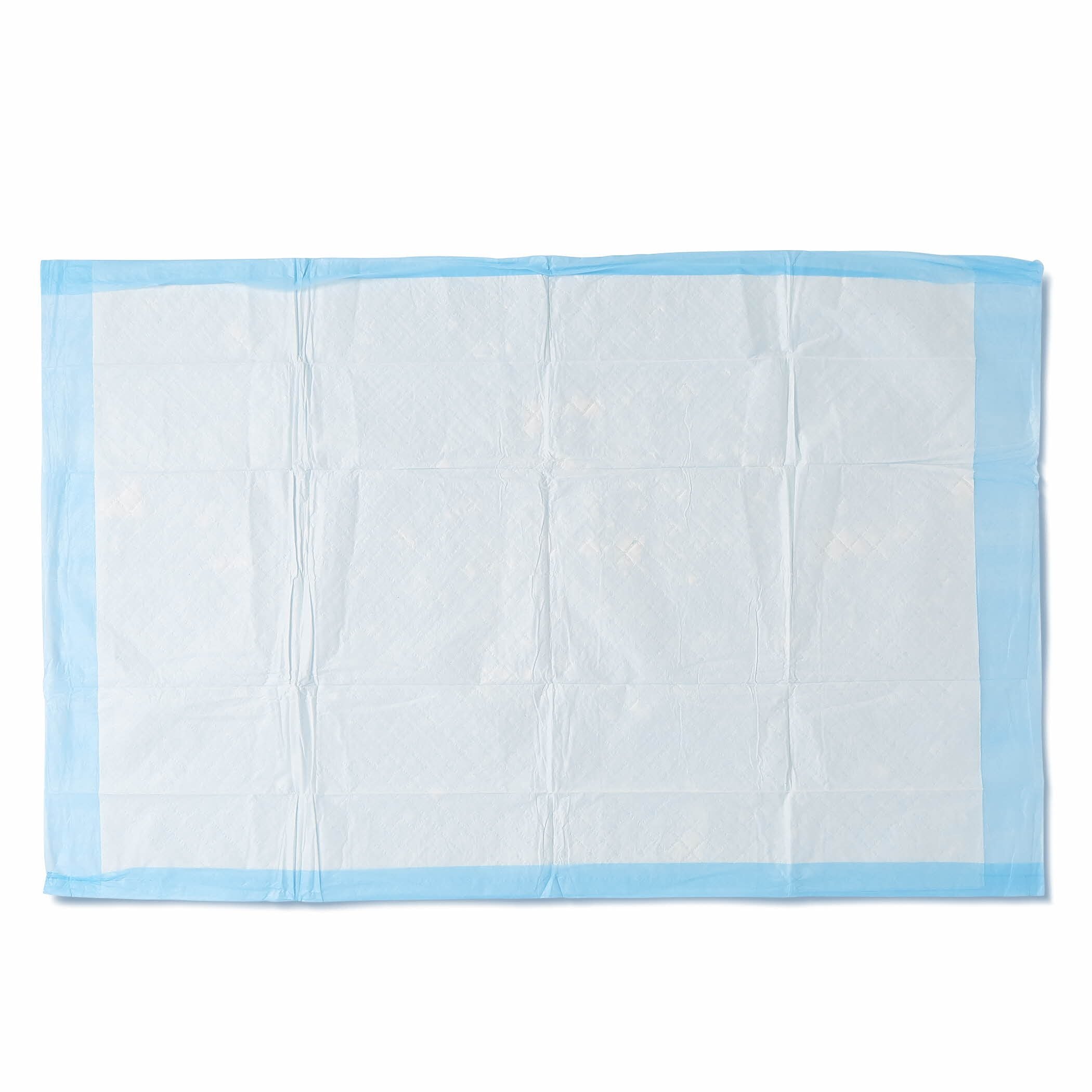
Medline Disposable Underpads — 23 × 36 in, 150 Count
Maintain disposable surface protection for an established caregiving routine.
150 light-absorbency underpads, 23 × 36 inches. Not a fitted incontinence product or a replacement for skin care; choose protection that suits the person.
13. Keep usable records and a modest cash reserve
Decide how much cash in small bills and coins to keep on hand in case you need it and set it aside. Don’t raid the savings account (and don’t assume every business will be open for business). Businesses without lights, workers, inventory, or a way to safely accept payment may not be able to do business at all.
Make copies of ID, insurance information, medication lists, other account information you might need in a pinch, and the addresses of where you’re planning to go if you leave. Leave the originals somewhere safe and take only what you need with you. Don’t leave potentially sensitive information out where anyone can see it. You can also make electronic copies, but store those safely, too.
You can put important documents in a folder or bag for organization, but it won’t magically make them fireproof or waterproof. Check what your document storage product claims to protect against. Keep a separate list of important phone numbers (like for utilities and insurance) and think about how you’d report problems or file an insurance claim if your go-to app isn’t working.
Don’t advertise on social media that your house is empty or show off your emergency cash and supplies. Lock up like normal and check in with friends and family. Planning ahead should help you make fewer decisions when you’re stressed out, including who you share personal information with. The goal here is to have enough information to ask for help and get business done without creating a new problem.
Related supplies
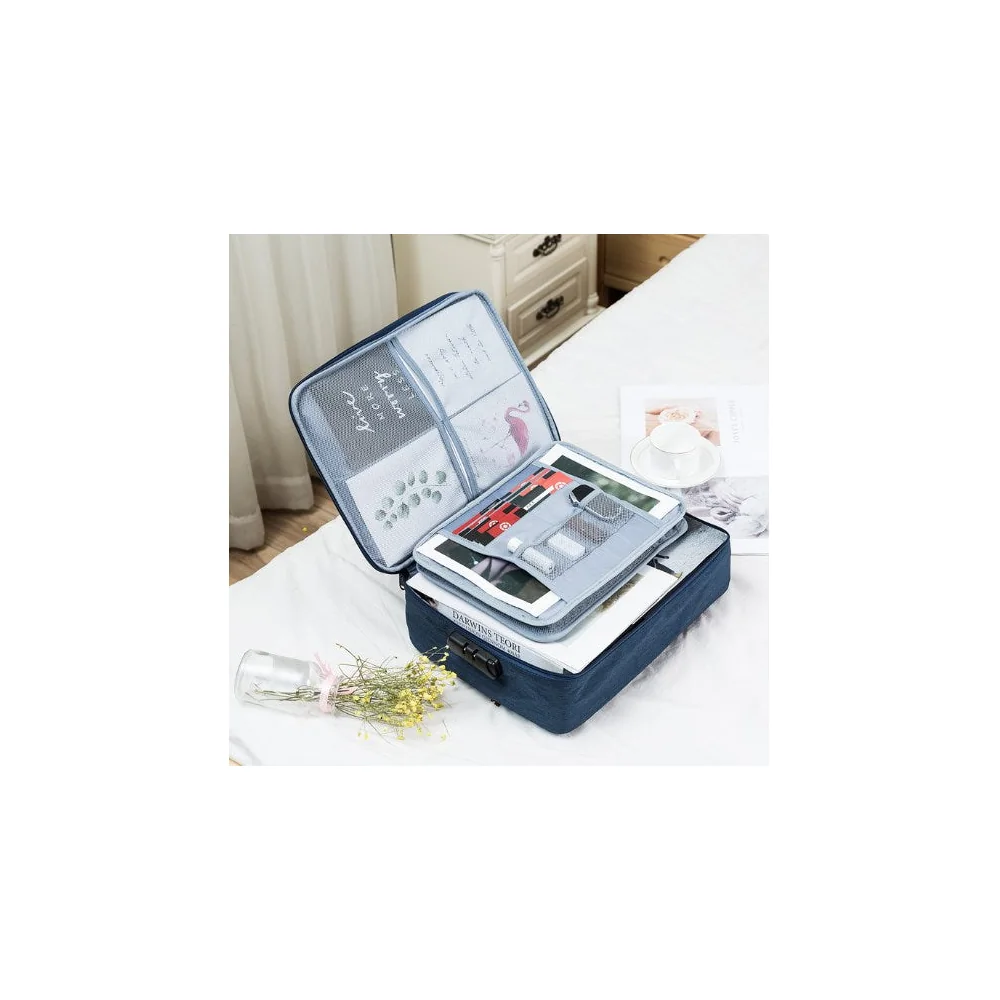
Household Document Carry Bag
Organize selected household records for a possible departure.
One polyester document carry bag. Documents not included; not represented as fireproof or waterproof.
14. Set a realistic departure plan before staying becomes unsafe
Decide in advance when it makes sense to leave your home: if you need medical care you can’t get, if staying is otherwise unsafe, if you can’t get clean water, if you’re told to evacuate, if your home is damaged or otherwise unsafe. None of those situations calls for hanging on just to protect your food, devices, or shiny new backup system you just bought.
Decide on a few places you could go, both close by and farther away, and think through what resources each of those places might or might not have. Your friend just a few blocks away might not have power either. Your aunt an hour away might have power but nowhere accessible for you to sleep or nowhere to put your pet. Have options and check to see if they’re still on the table once an outage happens. Don’t get in the car and head for the list of shelters you wrote down last year.
Pack a small bag of essentials (medications, important documents, clothes, food and water) that’s light enough for the person(s) who’ll be carrying it to actually carry. Don’t assume a backpack magically turns into an emergency go-bag. Think about ways to get out of your home (especially if there’s more than one of you) including stairs, accessibility, getting to your car, and so on.
Have a rough idea of how you’d get somewhere including gas or charge in your car, roads you could drive on (paper maps help!), and who else could drive if the person you normally rely on isn’t available. Remember that traffic lights, gas stations, and EV chargers may not work. Try to limit driving to what’s necessary, follow any road closures, and don’t mess with fallen power lines. It’s better to decide to leave while you still can than once you’re worn down and there are fewer options.
Related supplies
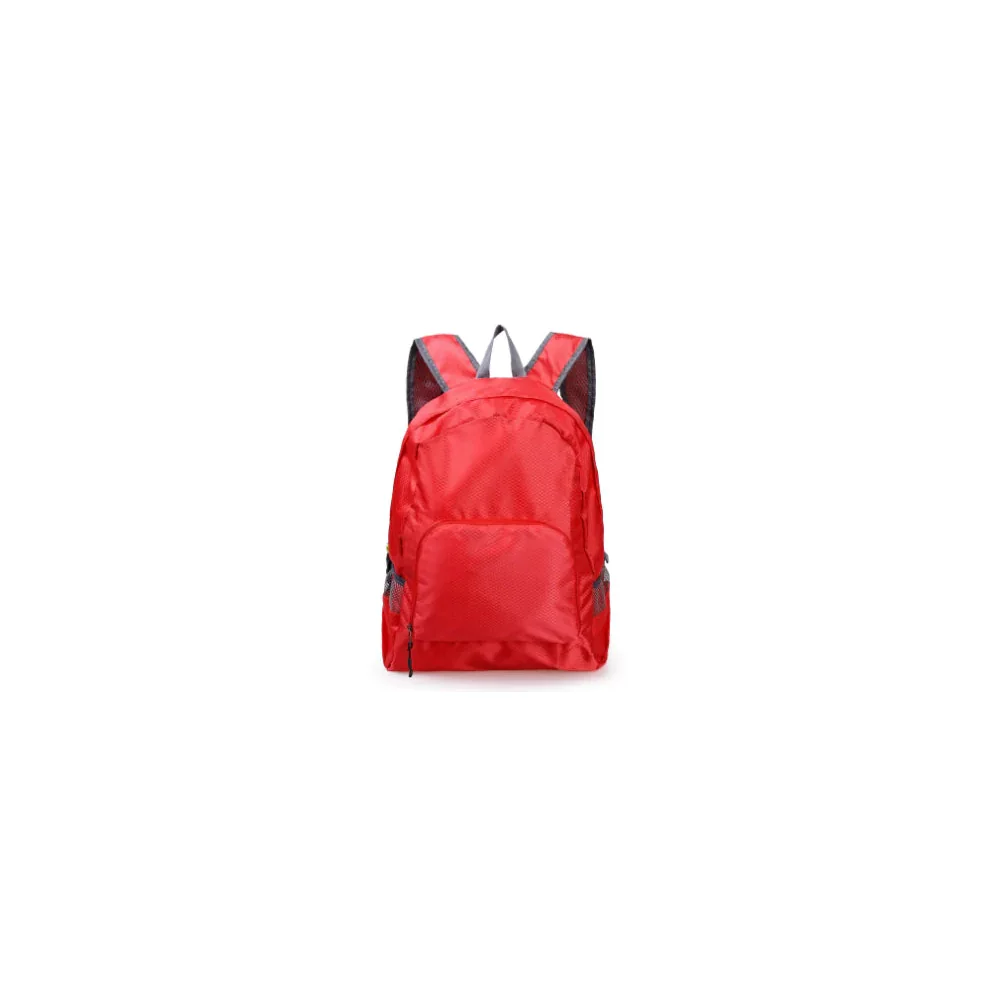
Packable Nylon Essentials Backpack
Keep a manageable set of departure essentials together.
One empty packable nylon backpack. Medicines, water and all other contents are sold separately; check carrying comfort and access.
15. Practice the plan, fix the gaps, and build gradually
You can practice your emergency plan without staging a disaster: keep your home mostly as-is (especially anything related to temperature control, alarms, medical equipment, and other important devices) and think through how you’d navigate the house, use your contact information, open up a food item, wash your hands, use your backup toilet, etc. Practice with the person(s) who will actually be doing these tasks.
Make a note of anything that’s clunky or tricky like jars that are too heavy to lift, a can opener that pinches one person’s hand, or a device that uses a weird charger. Maybe all your instructions are online. Or the only person who knows how to operate the emergency radio works nights. Good problems to have when things are nice and calm!
Make a list of improvements you can make and tackle the important ones first (like making sure everyone can get medication, food, water, sanitation, temperature control, and can get out of the house if needed). Work your way down to nice-to-haves and longer-term preparedness as your budget allows. Rotate your food like you would in your pantry and keep track of what you have (with dates if possible). Stocking up once and never thinking about it again isn’t really a strategy.
Divide up responsibilities (with backups for important stuff) and revisit your plan as needed (new pets or people in the house, changes in medications or equipment, new seasons, etc.). Store things so they’re easy to find and use instead of having everyone dig through a Jenga tower of boxes. Having less stuff that you know how to use is better than having more stuff you don’t.
Related supplies
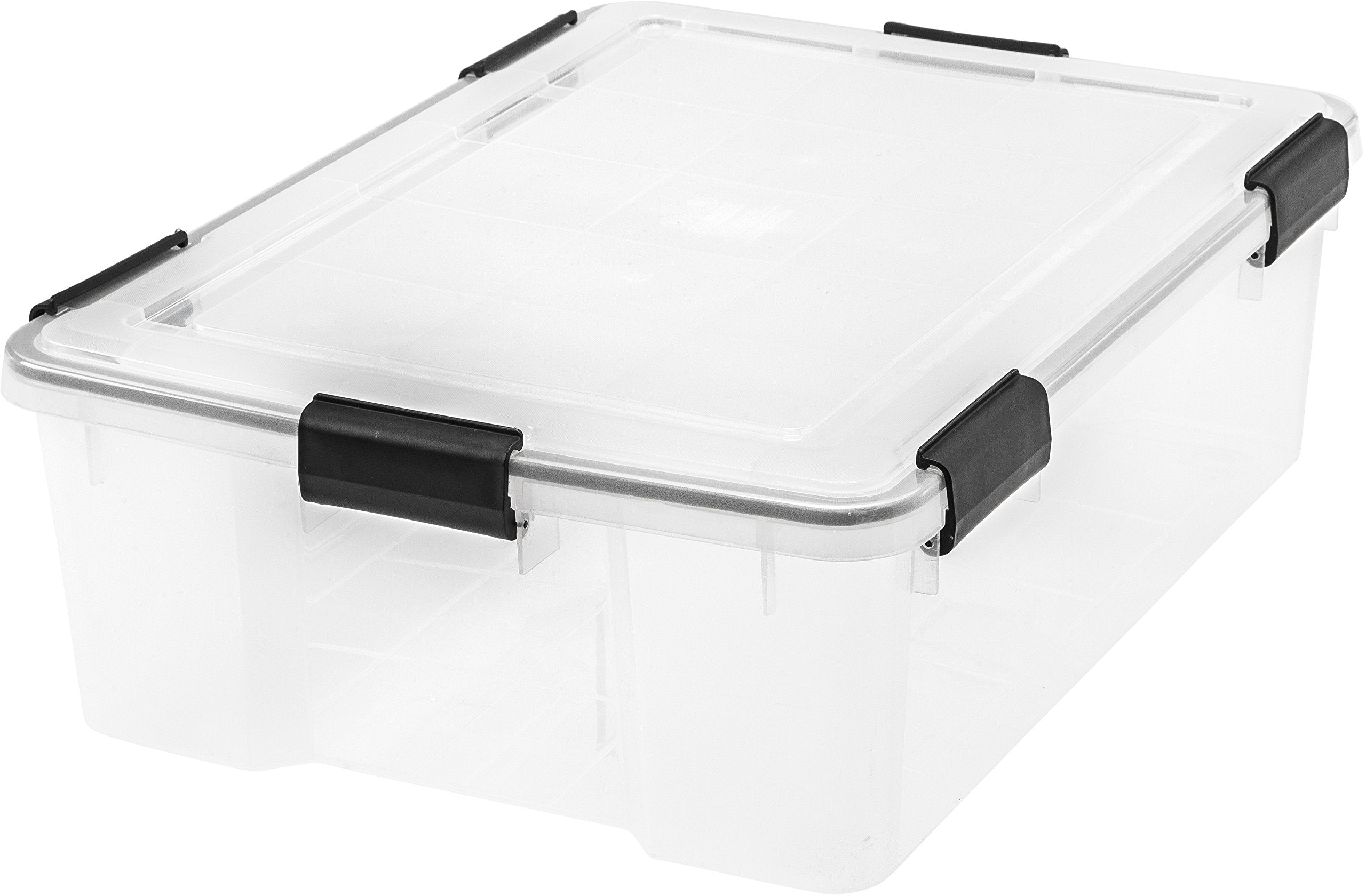
IRIS USA WEATHERPRO Storage Tote — 41 Quart
Organize packaged supplies so household members can find them.
One empty 41-quart tote. Supplies not included; not represented as floodproof. Measure storage space and keep exits clear.
Start with the next decision your household would face
You don’t have to plan for grid collapse in one fell swoop. What are some questions you can answer for tonight? Who needs medication or other care? Where’s your clean water? How would you see? Under what circumstances would you need to leave your home? Write down some answers and practice the parts you’re not sure about.
Then think about how you’d get through the next few days (and potentially weeks if you can). Make sure your plans for food, water, sanitation, communication, power, and evacuation work together. Consider how neighbors or relatives might help out or keep you posted (without counting on them to magically solve all your problems).
Being prepared is about giving yourself more options: staying put when you can, bailing when you have to, and changing your mind if your restoration estimate changes. Your stuff can help with that, but only if you know what to do with it.
For a shorter household planning horizon, read How to Survive 7 Days Without Power. For cold-weather detail, see How to Stay Warm When the Power Goes Out.
Sources and further reading
EIA: How electricity reaches consumers and the three major interconnections
FDA: Medical-device outage planning workbook
CDC: Creating and storing an emergency water supply
CDC: Making water safe in an emergency
FDA: Food safety during outages and floods
CPSC: Carbon monoxide information
Utah Emergency Management: Generator and transfer-switch safety
National Weather Service: NOAA Weather Radio
CDC: Infant formula during emergencies
Featured photo: Brett Sayles / Pexels, used under the Pexels License. Photographed March 28, 2019; archived November 19, 2026. Resized for display. Illustrative infrastructure photograph, not a documented national outage.

 24 Items That Vanish First In a 24-Hour Emergency Panic ↗
 15 Essential Books for a Survival Library ↗
