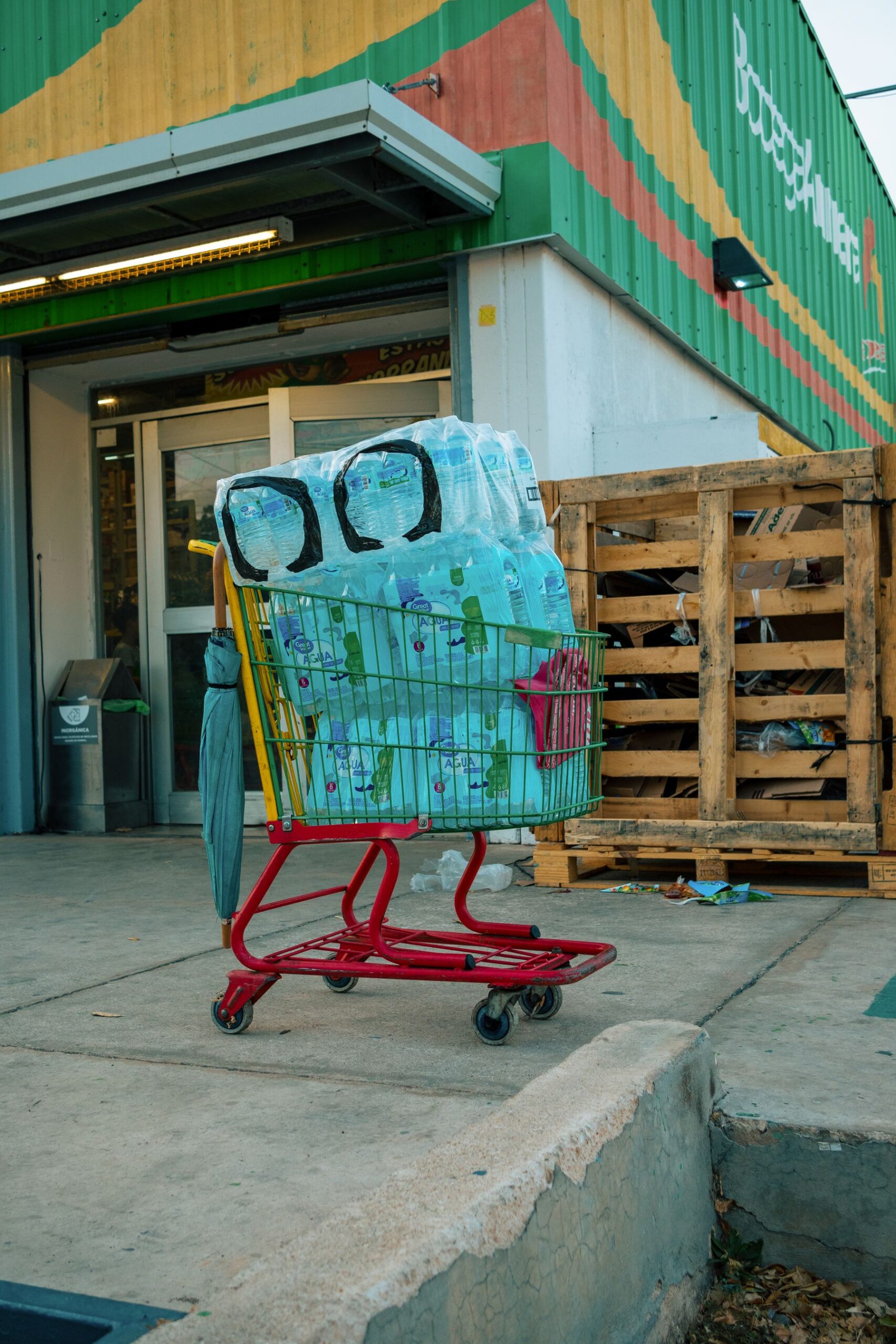
An emergency weather event can happen quickly. You might get a weather alert the night before and wake up the next morning to find the power’s out, there’s flooding, or you’re without access to clean drinking water. If you haven’t prepared for an emergency ahead of time, you might rush to the store to pick up important emergency supplies.
When you get there, you might find that certain items are already sold out. Or you might notice that certain items are flying off the shelves.
While no one can know for sure what will be most popular during a particular emergency, there are certain items that tend to be popular in many different types of emergencies. Here are some of the items that often sell out quickly or are popular items to stock up on ahead of time during an emergency.
This is not a measured national sales ranking or a promise that every item below will disappear within twenty-four hours. The emergency, season, location, and delivery schedule all change what gets scarce. Think of these as twenty-four items worth checking before a rush, numbered for easy reference rather than predicted selling order.
1. Bottled drinking water
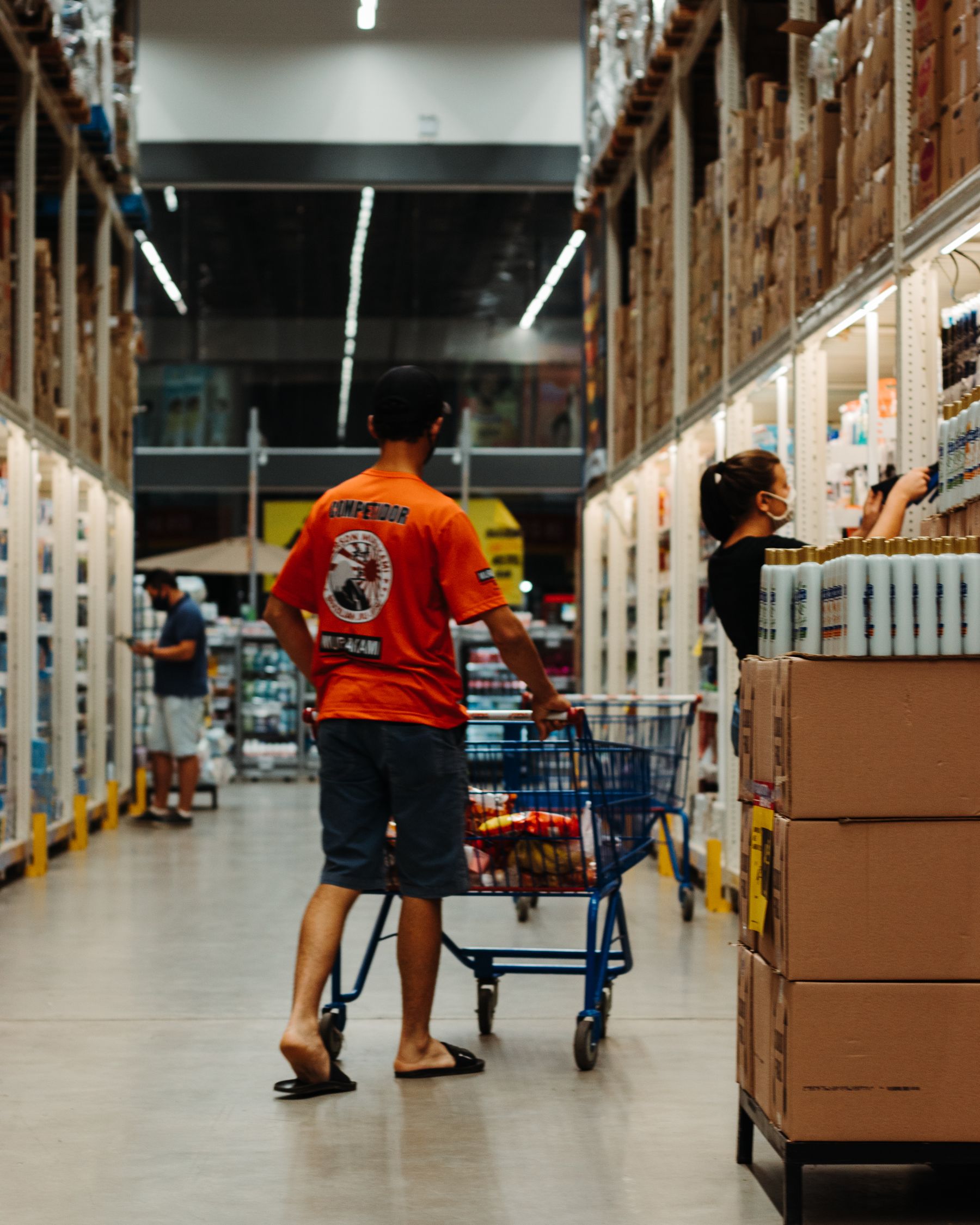
It’s a good idea to stock up on bottled water ahead of time in case there’s a boil water advisory, a flood, or if your well pump won’t work because there’s no electricity. The CDC suggests you have at least one gallon of water per person per day for three days for emergency situations. Depending on the situation and who’s in your household, you might need more than that.
If you’re filling up your own containers, make sure you use food-grade containers and follow the manufacturer’s instructions for cleaning and storage. Label containers with the date so you can keep track of when they were filled.
Tip: Have a plan for your pets, too. Keep in mind that some people have special needs that could increase the amount of water you need to store.
Related supplies
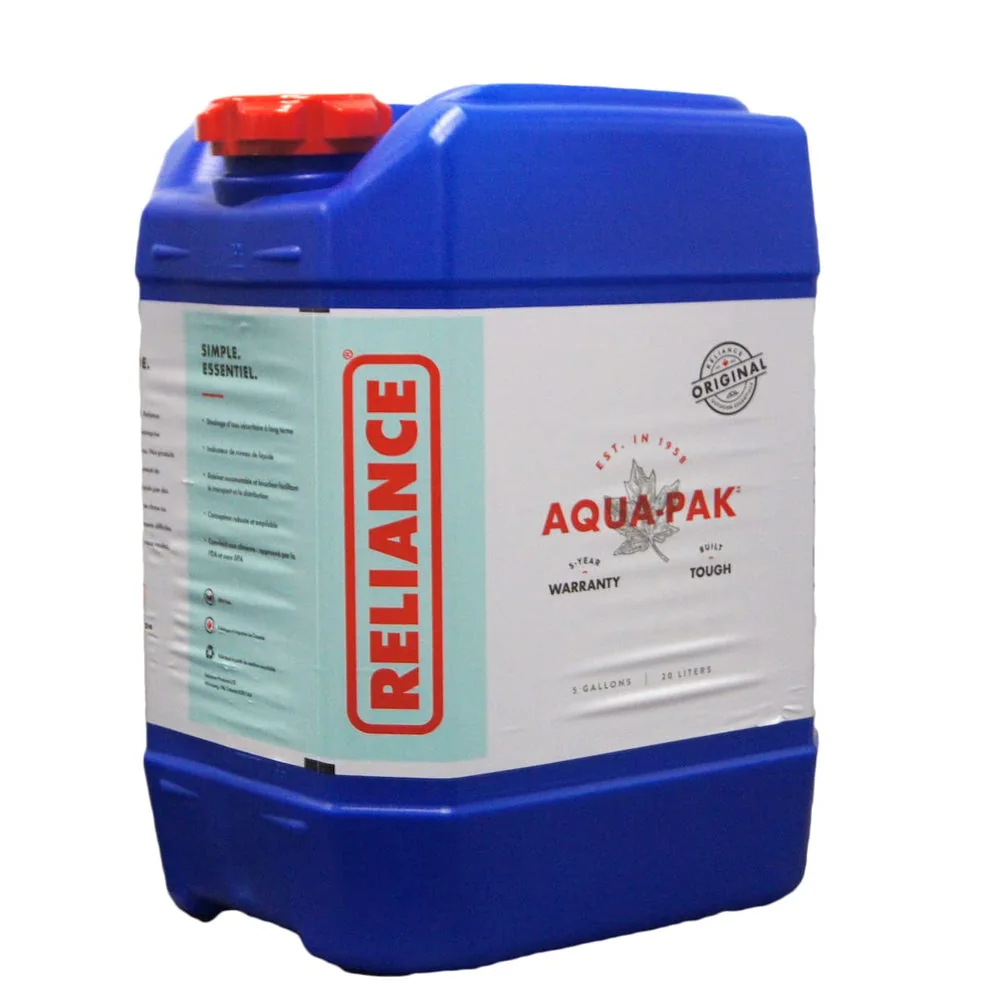
Reliance Aqua-Pak 5-Gallon Water Container
A reusable container for a household water reserve.
One empty five-gallon container. Drinking water is not included; plan cleaning, filling and safe lifting.
2. Bread, tortillas, and other ready-to-use starches

When you’re heading to the grocery store in a hurry, you might think, “what can I make for lunch with this?” And head straight for the bread aisle. Other quick starches that don’t require a working stove to prepare include tortillas and crackers.
Tip: Keep an extra loaf of bread on hand. Check the expiration date and rotate it in and out of your pantry so you’re always using the oldest usable loaf first. Check for any food sensitivities or allergies. Do not count on perishable foods keeping in the fridge if the power’s out.
3. Canned vegetables, beans, fish, and meat
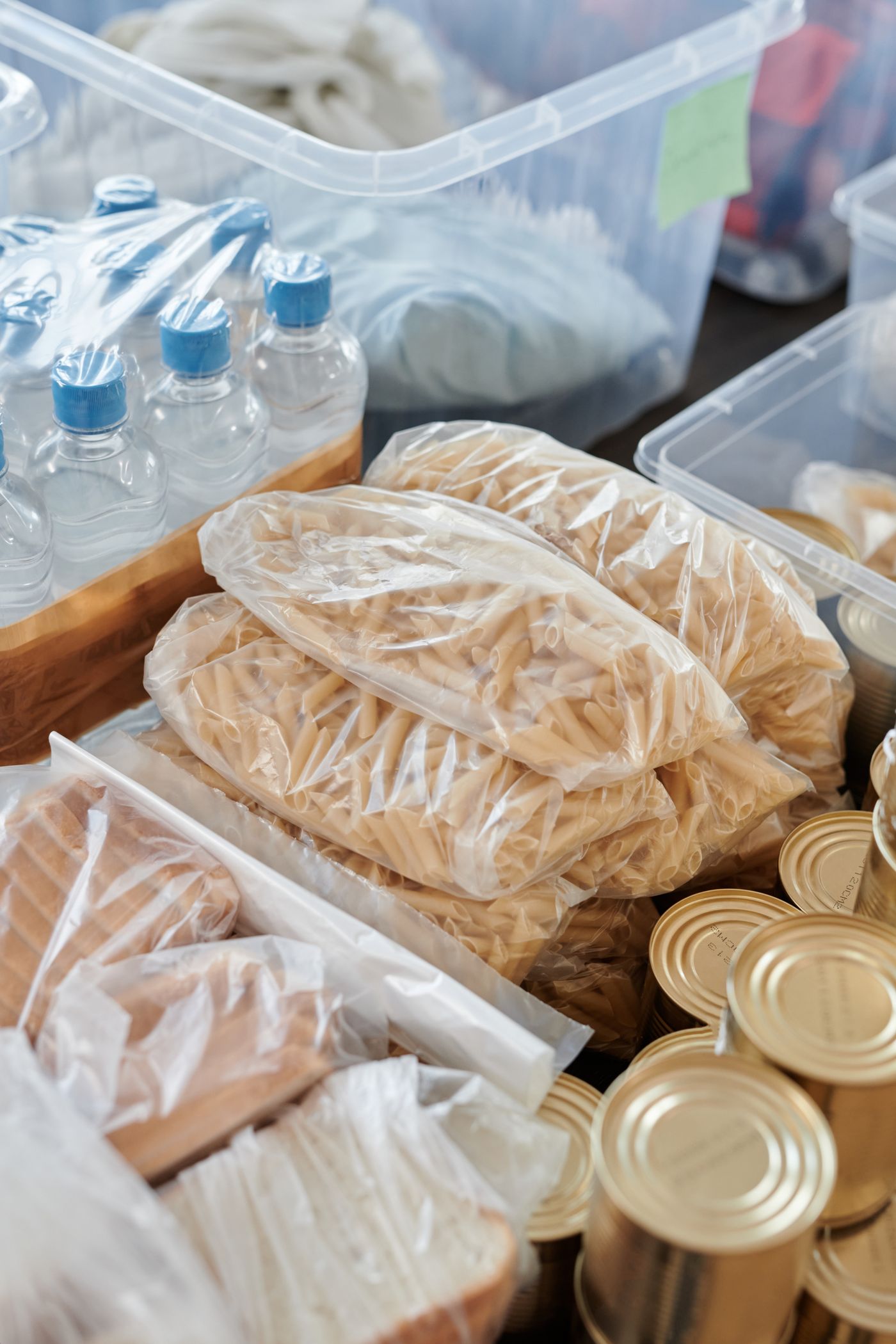
Canned foods are easy to grab quickly, don’t require refrigeration (until they’re opened), and are easy to transport. Think about which canned foods your family enjoys and how you typically prepare them.
Tip: Check expiration dates and rotate canned goods in and out of your pantry. Be sure you have a can opener that doesn’t require electricity and test it out to make sure it works on the types of cans you have on hand.
4. Ready-to-eat snacks and emergency food
Snacks and other ready-to-eat foods like granola bars, crackers, and peanut butter are quick and easy to grab and require little to no preparation.
Tip: Keep in mind that some emergency foods may need to be reconstituted with water or heated. Check labels to make sure you know how many calories each “serving” or “day” of emergency food actually has.
Related supplies
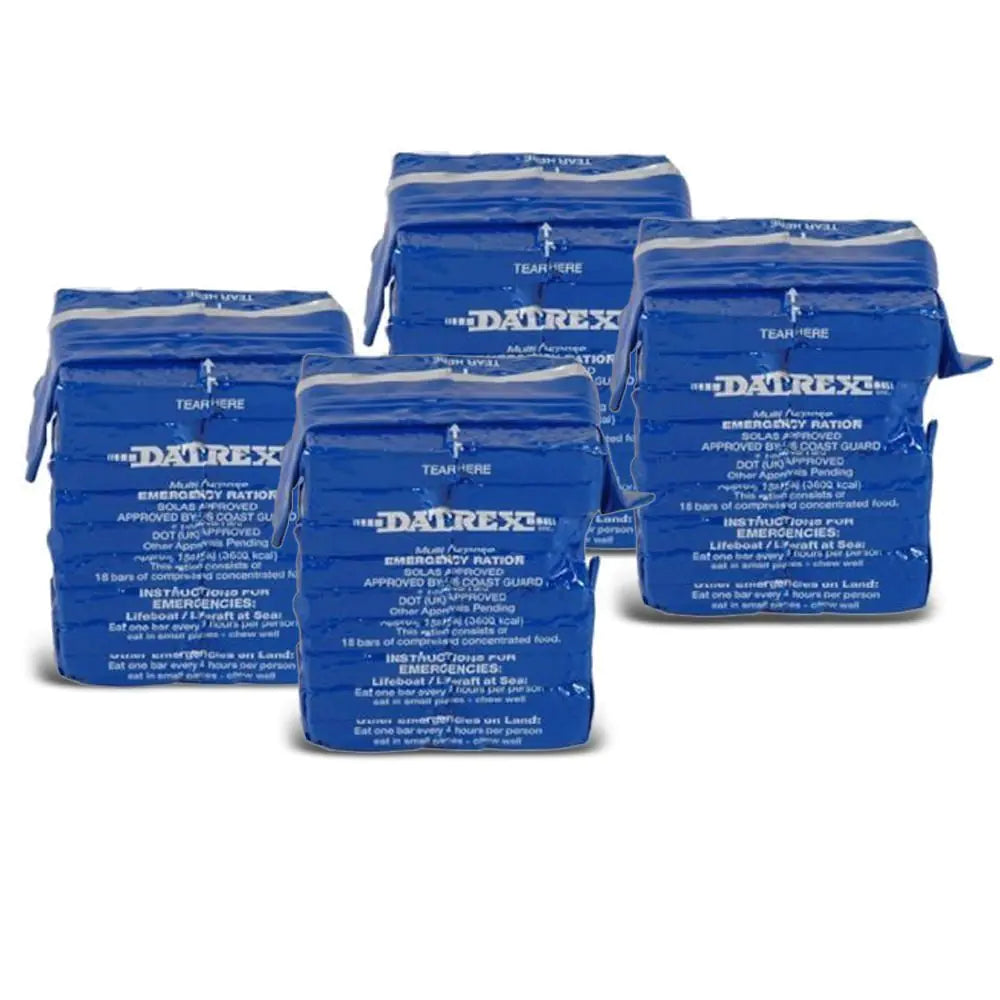
Datrex Emergency Food Rations — Four 3,600-Calorie Packs
Ready-to-eat food for occasions when cooking is impractical.
Four 3,600-calorie ration packs. Contains wheat; drinking water is not included.
5. Infant formula that matches your baby's needs

If your baby is formula-fed, you’ll likely need to pick up some extra formula in case of an emergency. Depending on your baby’s dietary needs, you may need a certain type of formula.
Tip: Ready-to-feed infant formula is considered the safest way to feed formula to an infant during an emergency, according to the CDC. Don’t mix formula with extra water or use homemade substitutes. Make sure you have enough formula on hand, but avoid buying extra as this may deprive another family of the formula they need.
6. Diapers, wipes, and caregiving supplies

Don’t forget to pick up extra diapers (or incontinence products, disposable underpads, etc.) for your family, especially if you have a newborn or infant.
Tip: Keep a stash of diapers and wipes in a convenient, dry place in your home. Check the diaper sizes to make sure they’re still a good fit for your child.
7. Pet food and necessary pet supplies
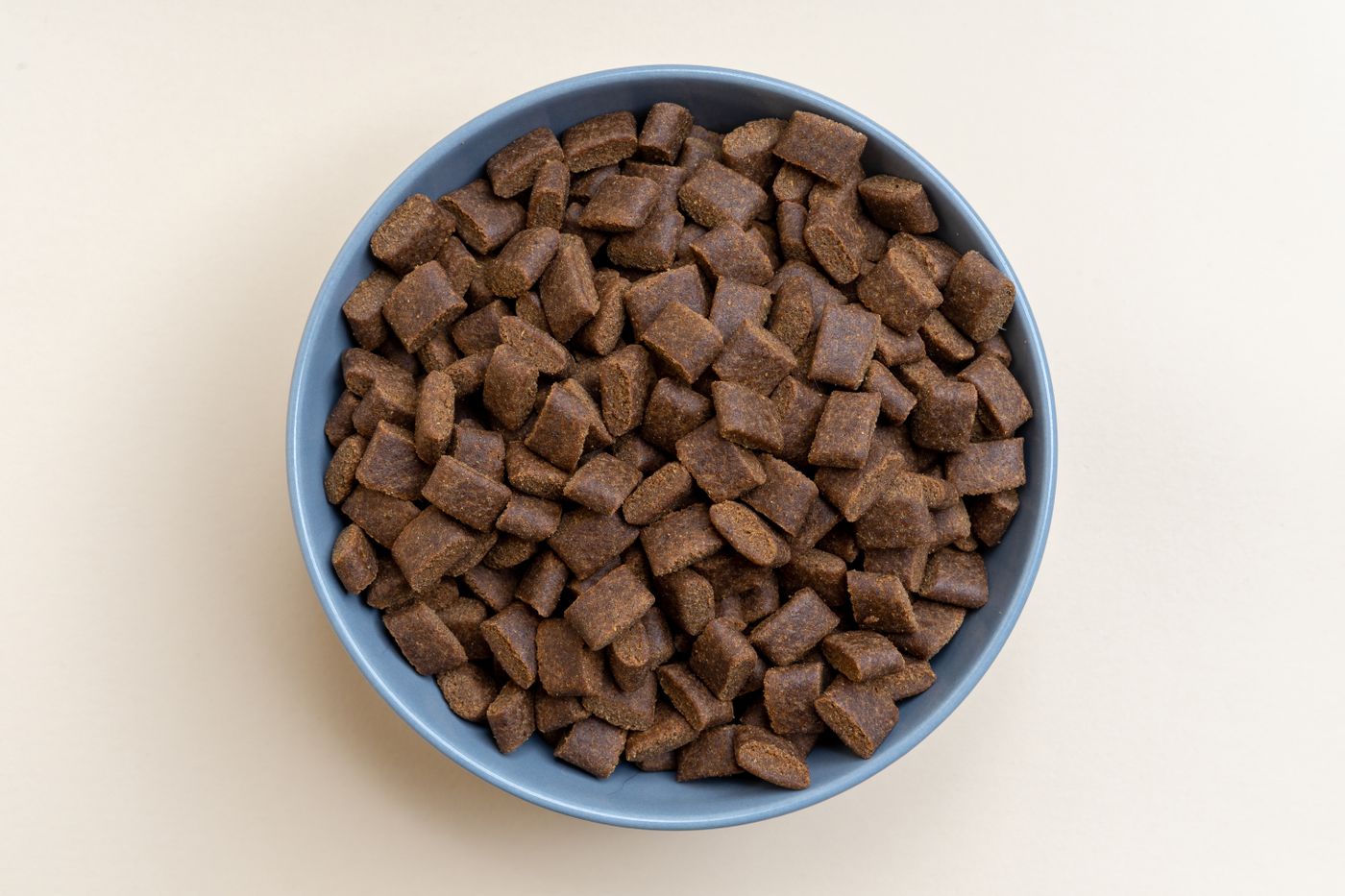
Your furry friend still needs to eat, no matter what’s going on outside, especially if he or she is on a special diet or needs prescription pet food.
Tip: Make sure you have a bag of pet food that’s your pet’s favorite, along with any medications or special diets your pet may need. Remember, it’s not the time to try out that new food you’ve been meaning to order! Also remember that your pet may need extra water and that you’ll need bowls, leashes, carriers, etc. if you have to evacuate.
8. Prescription medicines and necessary medical consumables
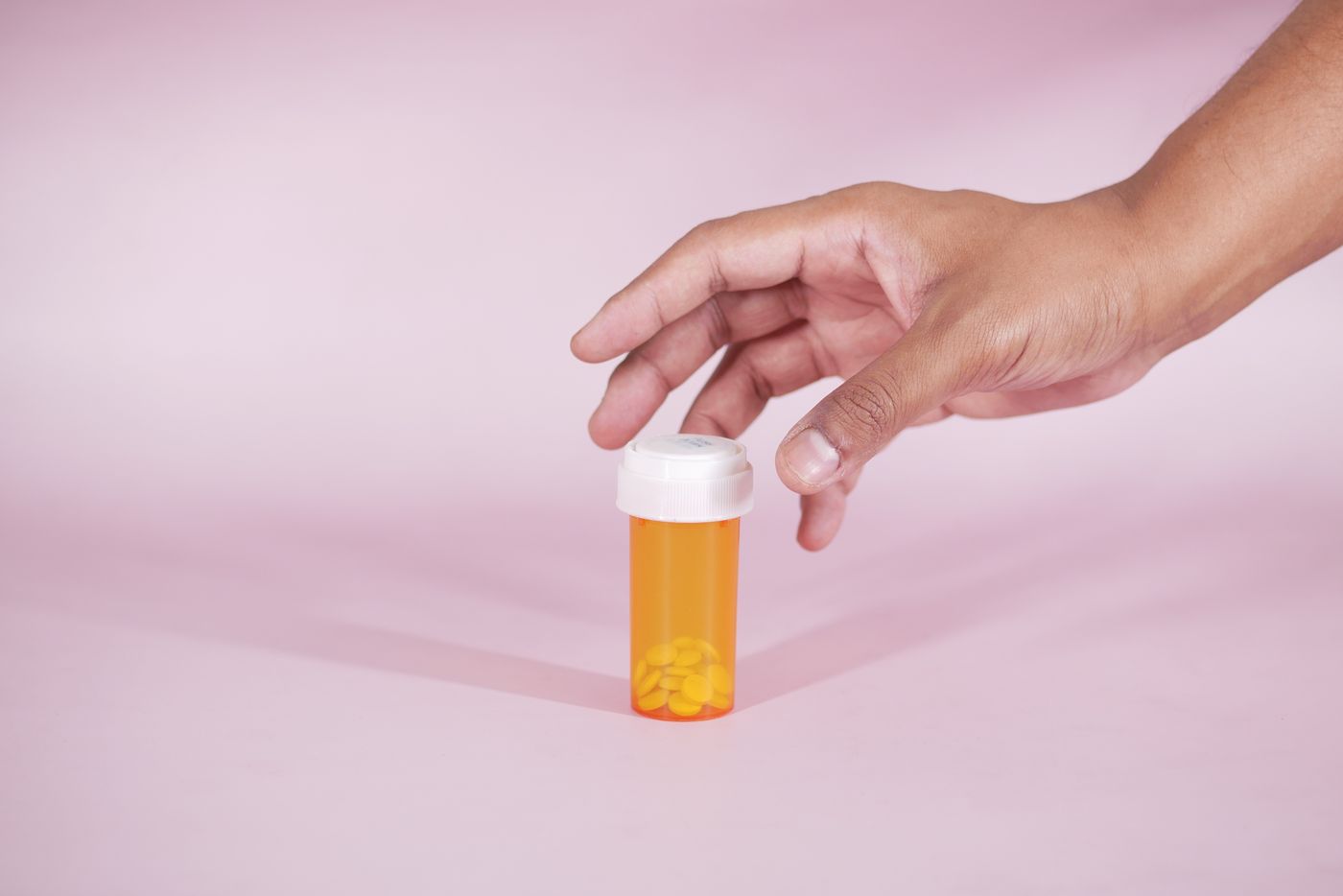
Don’t forget about any prescription medications, yours or your family’s, that you’ll need on hand in case of an emergency.
Tip: Talk to your doctor or pharmacist about keeping extra prescription medications in case of an emergency. The FDA recommends talking to your doctor or pharmacist about how long you can get refills of your medication, how to store your prescription, what to do in case of a power outage, especially if your medication needs to be refrigerated, etc. Don’t forget about any special medical equipment that may need electricity, so have a back-up plan in case of an emergency.
9. Familiar over-the-counter medicines
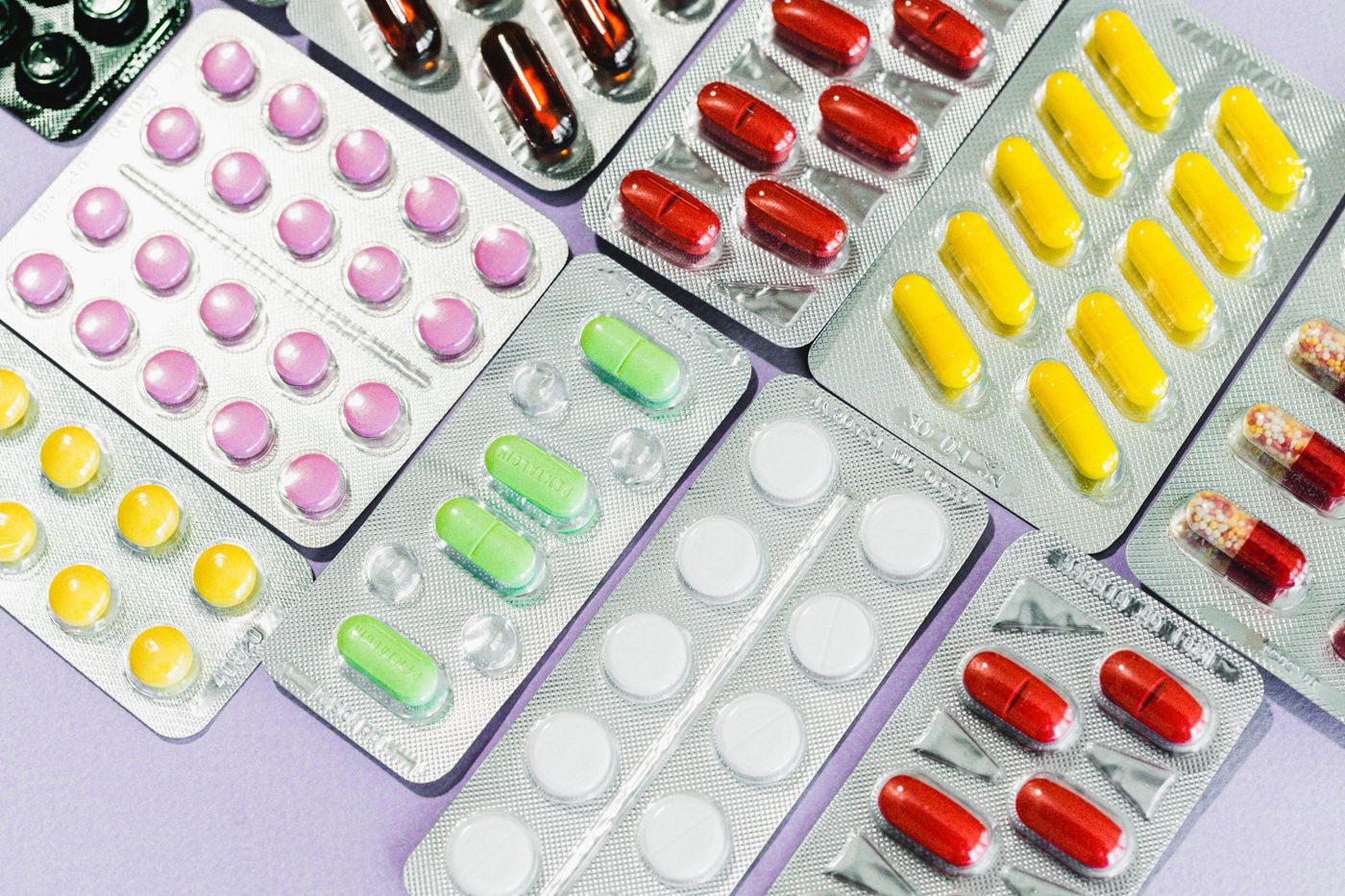
You probably have a few over-the-counter medications already stocked at home, but it’s a good idea to make sure you have enough in case of an emergency, especially if there are young children in the home.
Tip: Don’t forget that some over-the-counter medicines are for children only and others are for adults only, so choose appropriate products! Also, keep in mind that some medications that are sold under different brand names have the same active ingredient.
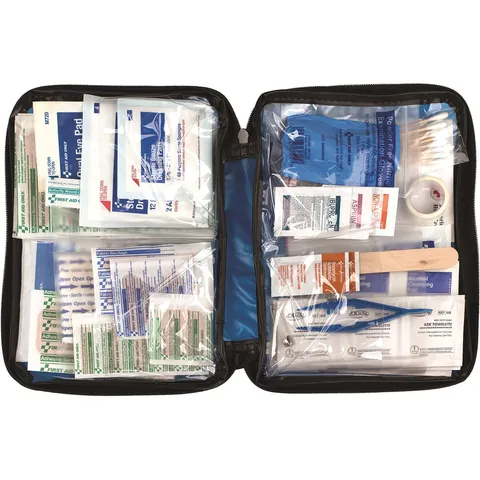
10. Basic first-aid supplies
Make sure you have a well-stocked first-aid kit in case anyone in your family gets hurt during an emergency.
Tip: Don’t assume your first-aid kit is fully stocked, so check now to see what’s missing (bandages, gloves, etc.) and replace any items that have expired.
Related supplies
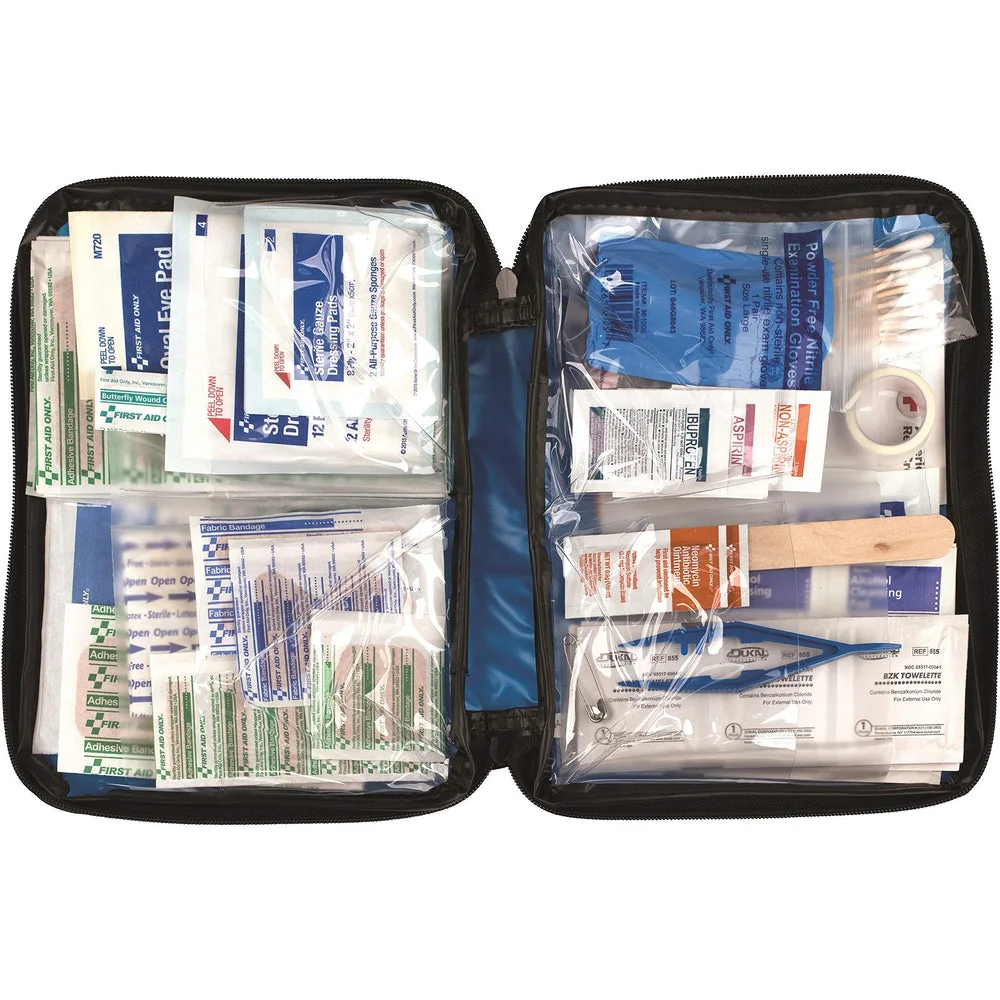
First Aid Only Stocked First-Aid Kit — FAO-428
Keep basic first-aid supplies together.
Stocked FAO-428 kit. Review contents, allergies and expiry dates; replace used items.
11. Toilet paper and ordinary paper products
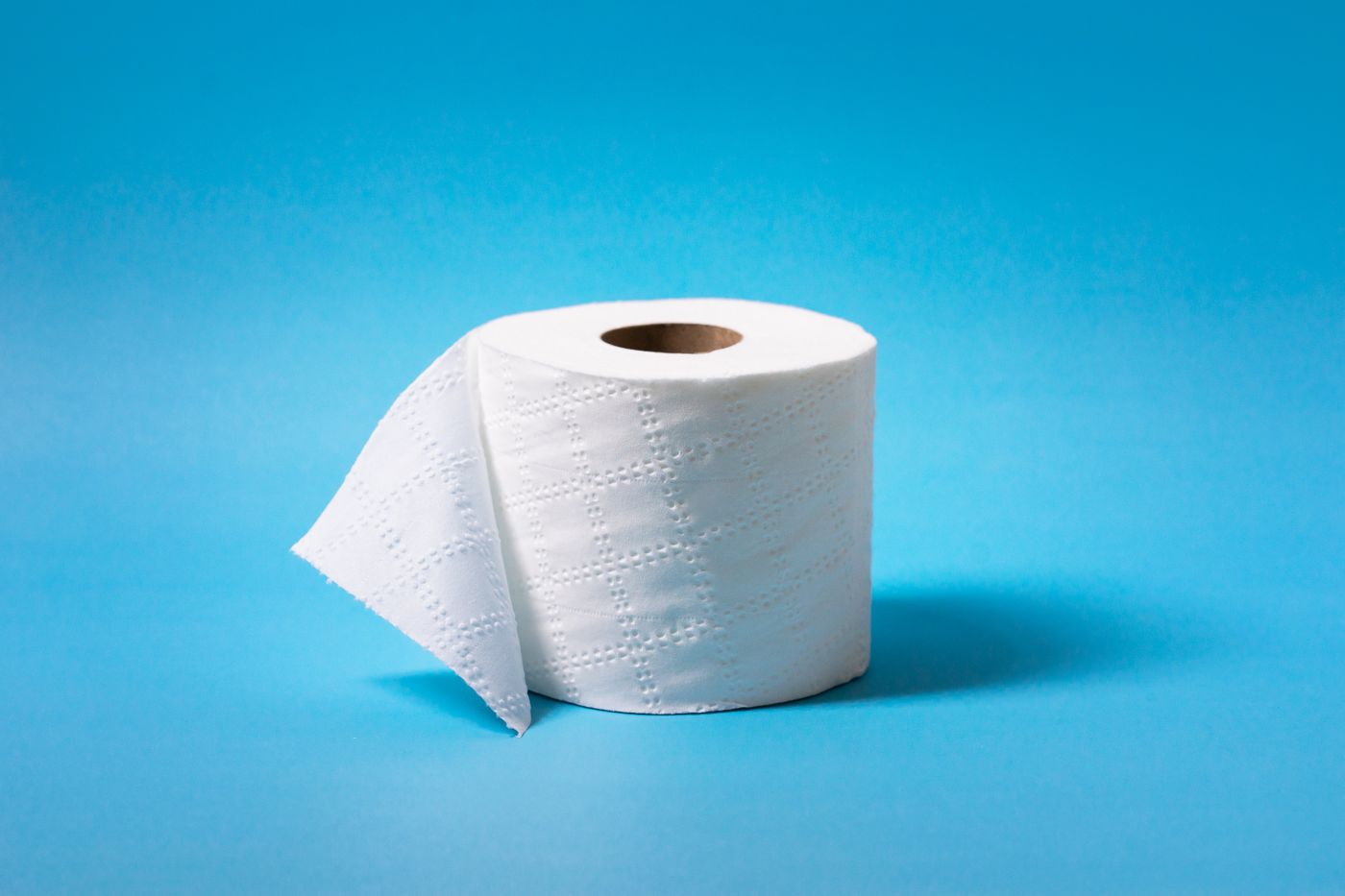
Don’t forget to pick up extra toilet paper and other paper products in case of an emergency, just don’t go overboard!
Tip: Before stocking up on paper towels and other products, think about how you’ll use them. For example, if there’s a problem with your water or sewage, find out ahead of time whether it’s OK to use your toilet. And remember, paper towels can’t be flushed!
12. Menstrual supplies
If you or someone in your family uses tampons, pads or other menstrual care products, make sure you have enough on hand in case of an emergency.
Tip: If you’re thinking about using washable products during an emergency, consider how you’d be able to wash them. And remember to consider what type of product the person actually uses, for example, pads for menstruation aren’t necessarily the same as pads for incontinence or dressings for wounds.
Related supplies
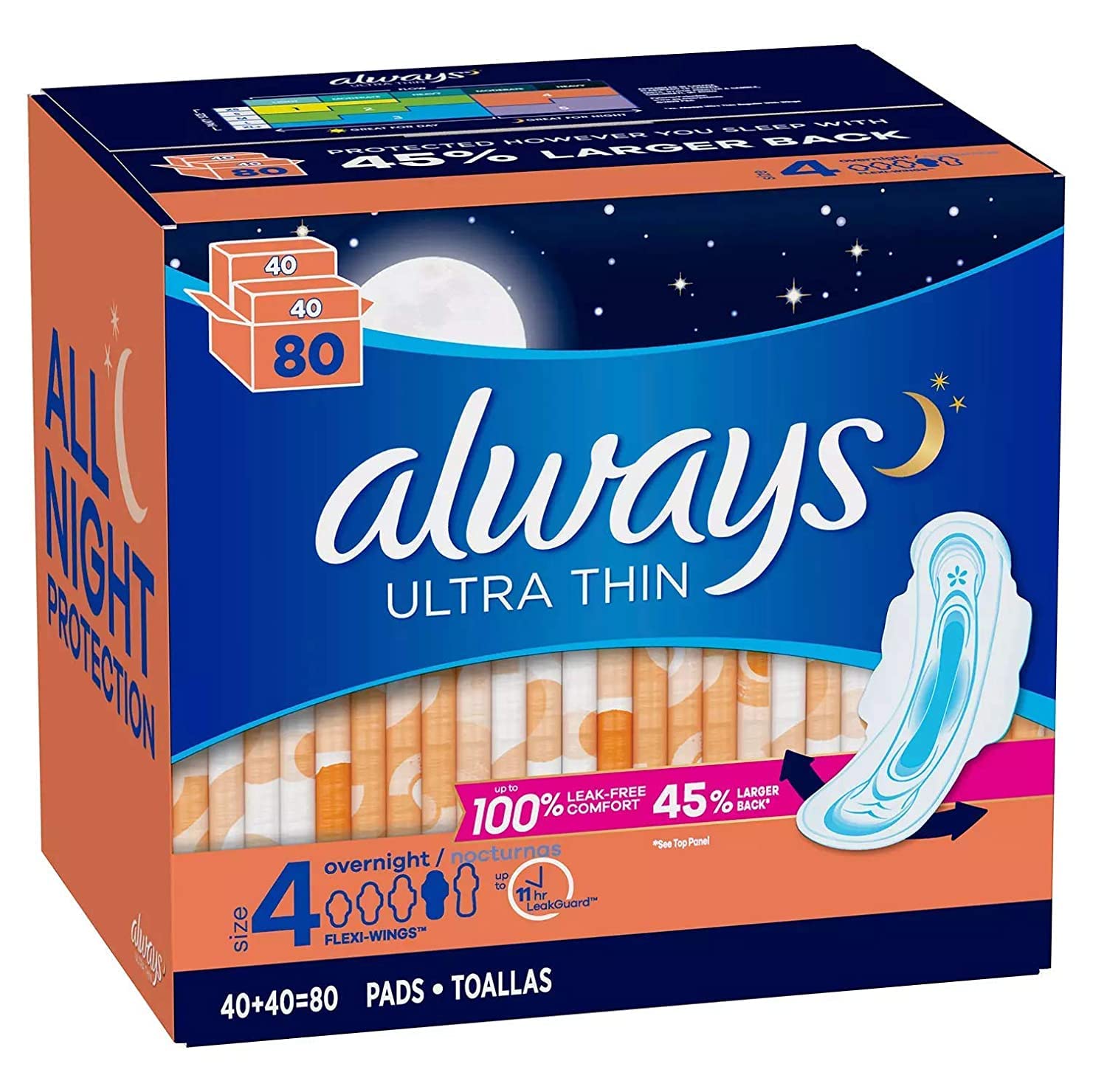
Always Overnight Pads with Wings — Size 4, 80 Count
Keep familiar menstrual supplies in reserve.
80 unscented overnight pads with wings, size 4. Choose the absorbency and fit that suit the user.
13. Soap and basic cleaning supplies
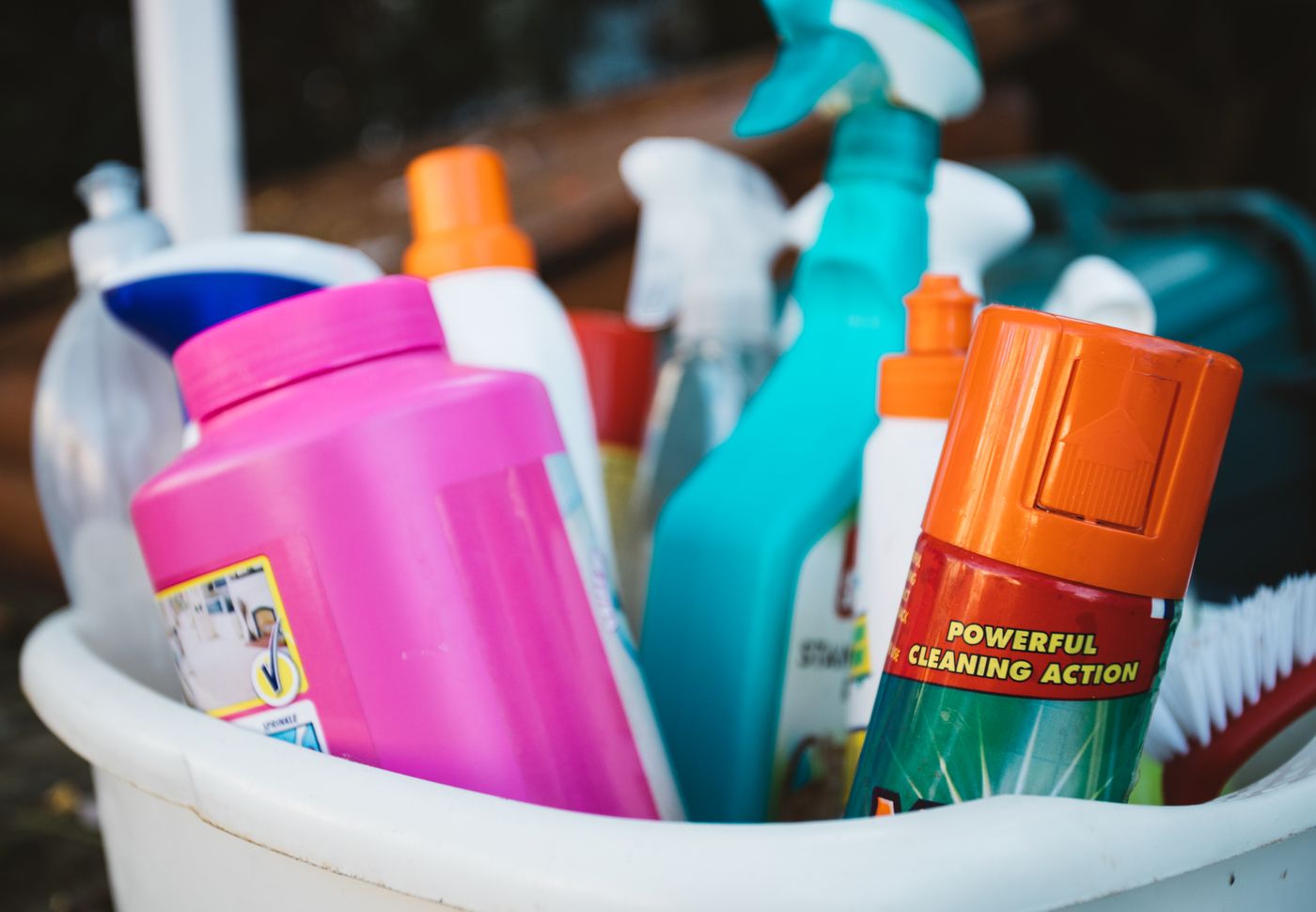
Don’t forget to pick up extra dish and hand soaps, cleaning products and other items that you use to keep your family and home clean during an emergency.
Tip: Don’t assume that any cleaning product can be used for any type of cleaning, especially when it comes to purifying water. Be sure to check with your local authorities for the best way to purify water during an emergency. And remember, don’t mix cleaning products!
14. Trash bags and replacement toilet liners
Tip: If you plan to use a portable toilet during an emergency, make sure you have all the supplies you’ll need, and don’t forget to check with local authorities on the best way to dispose of the waste. Don’t assume that all trash bags can be used for all purposes, for example, the bags for a portable toilet may need to be a particular size and material.
Related supplies
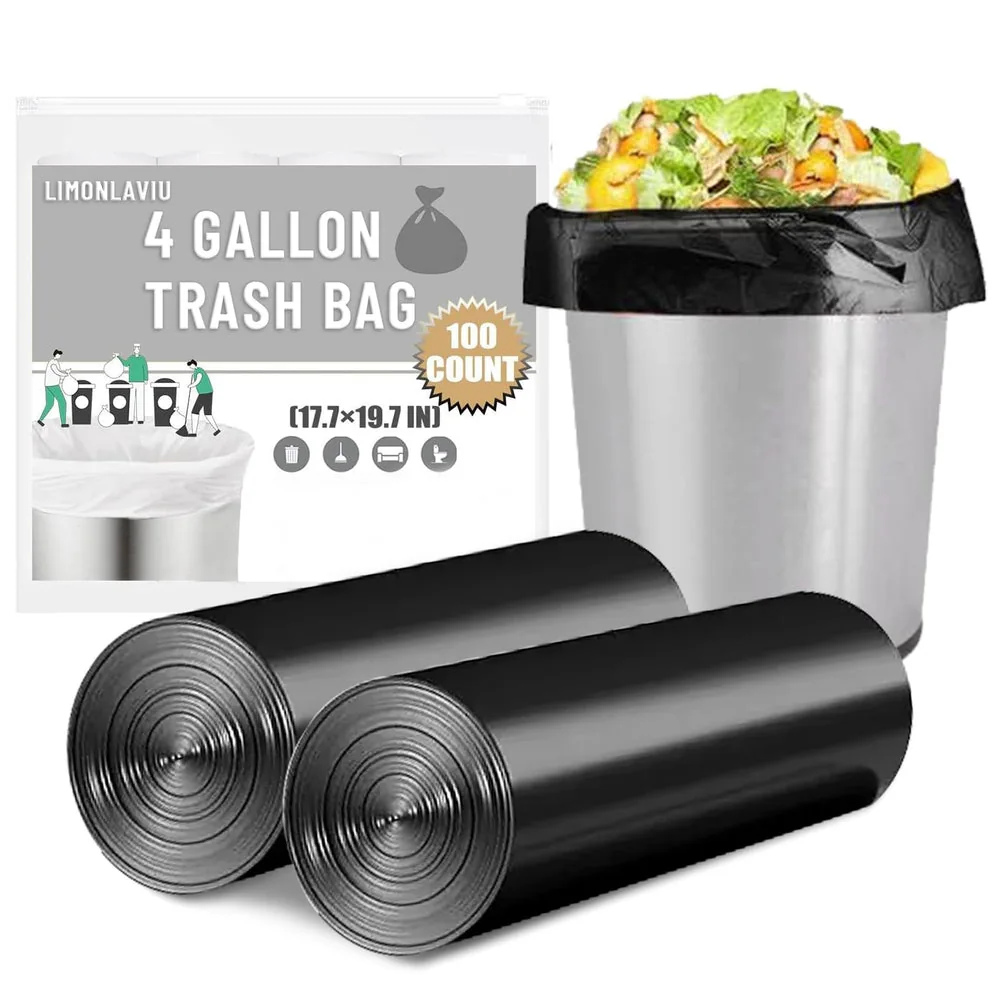
4-Gallon Household Trash Bags — 100 Count
Bags for ordinary household rubbish.
100 four-gallon bags. These are not presented as portable-toilet liners.
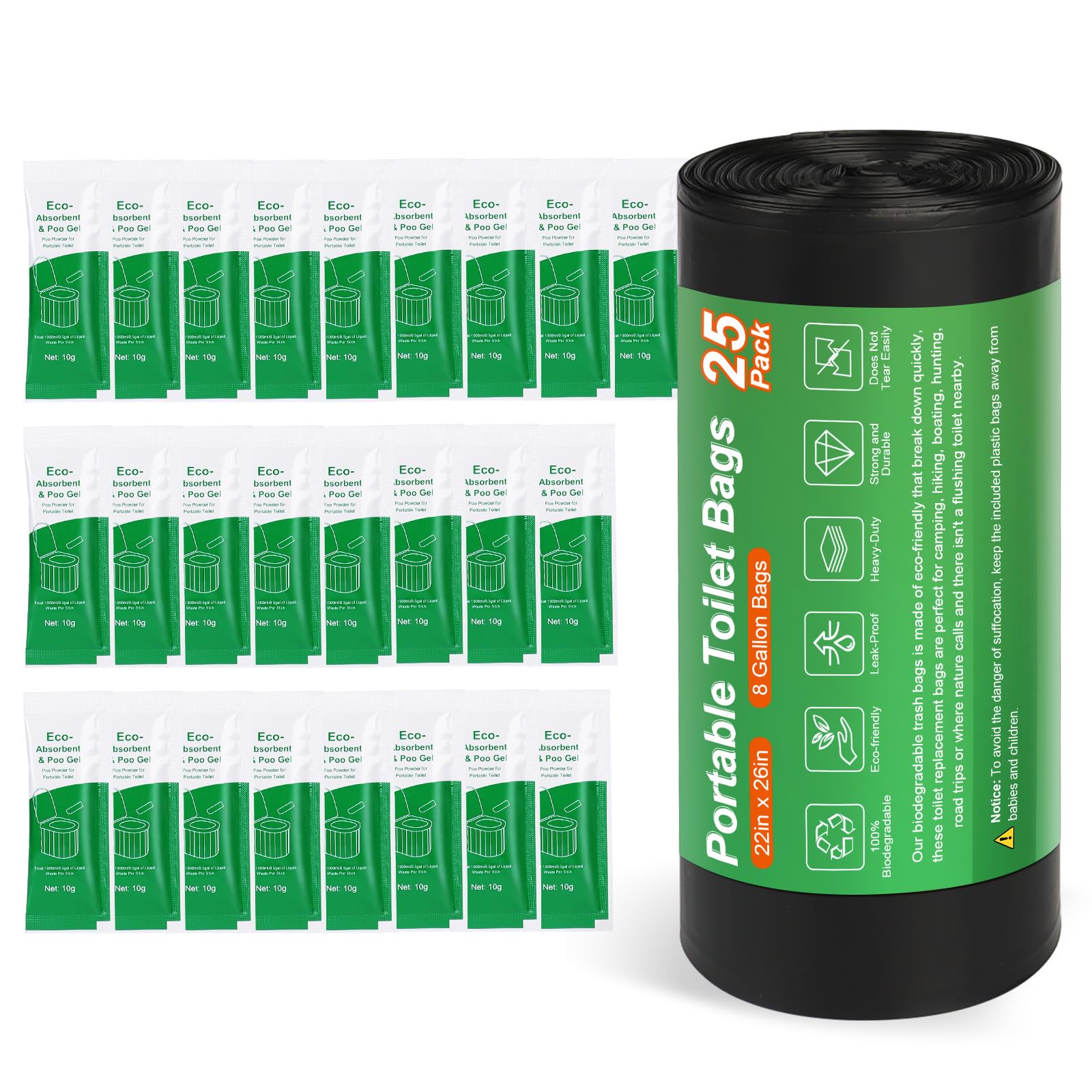
Portable Toilet Bags & Absorbent Gel — 25 Sets
Replacement supplies for a compatible portable toilet.
25 bags and 25 gel packets. Toilet or bucket not included. Check fit and follow local disposal rules.
15. Flashlights, headlamps, and battery lanterns
Tip: Consider where you’ll need light during an emergency, for example, by your bed, in your supply storage area, on the way to the bathroom, etc., and keep a flashlight or other type of light source in each of those locations. Also think about whether you need hands-free lighting, so if so, you may want a headlamp, or a light source that you can leave on in a room, so if so, a lantern may be a good option. Avoid candles since they pose a fire risk, especially around children, pets and bedding.
Related supplies
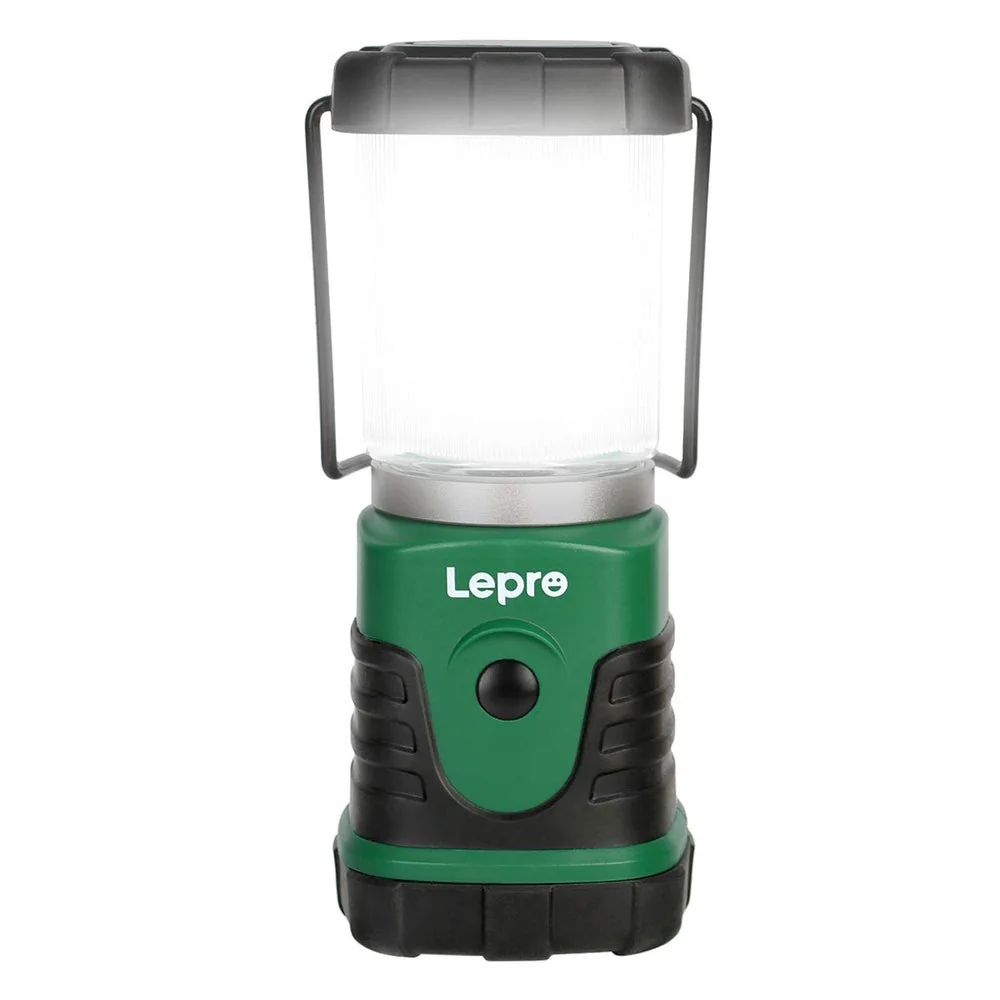
Lepro AA Battery Lantern
Shared light for the room you are using.
Requires 3 AA batteries, sold separately.
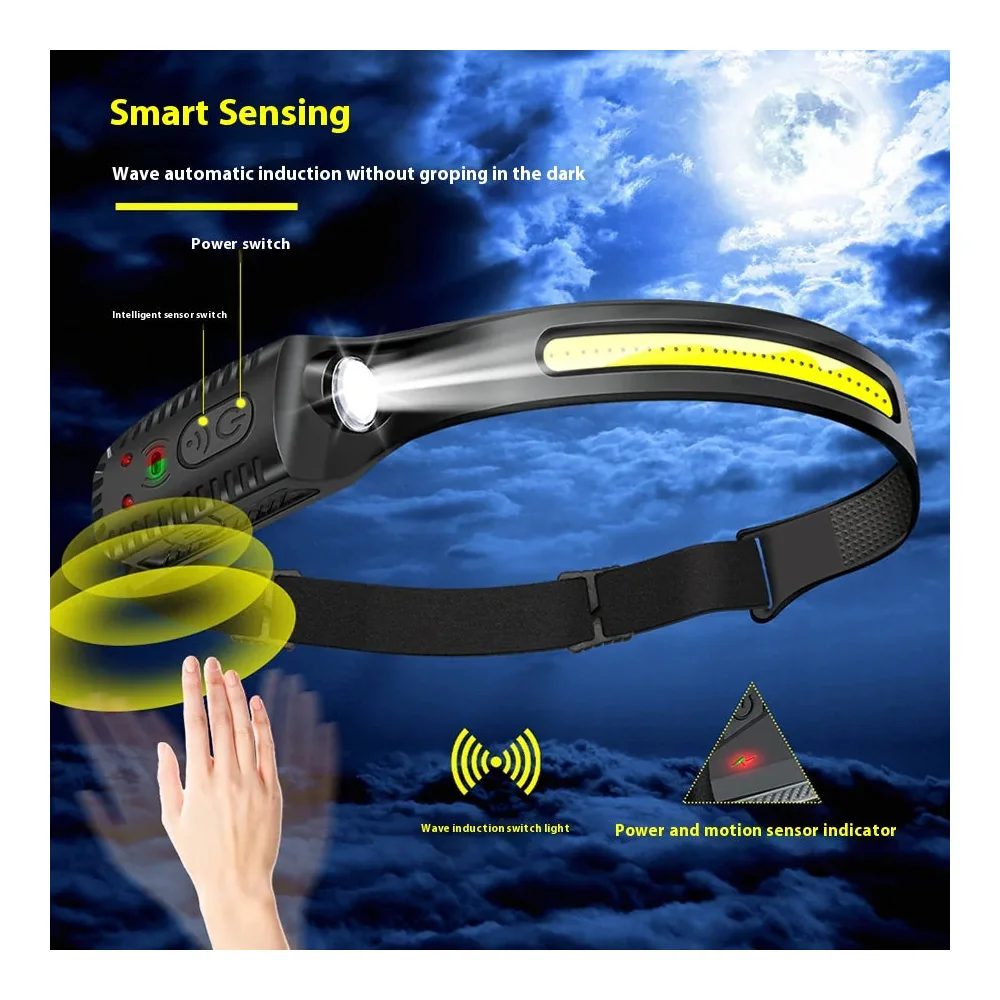
USB-C Rechargeable Hands-Free Headlamp
Hands-free lighting for household tasks.
USB-C rechargeable headlamp. Charge before severe weather; check operation before storing.
16. The batteries your equipment actually uses
Tip: Avoid buying extra batteries without first figuring out which ones you need. Different pieces of emergency equipment use different types of batteries, so do a quick inventory of the batteries needed for the equipment you have and keep a sufficient number of those on hand. Also keep in mind how long batteries will last before they go bad and how they should be stored, for example, some types shouldn’t be stored with the positive and negative ends touching, while others may need to be kept in a certain temperature range, etc.
Related supplies
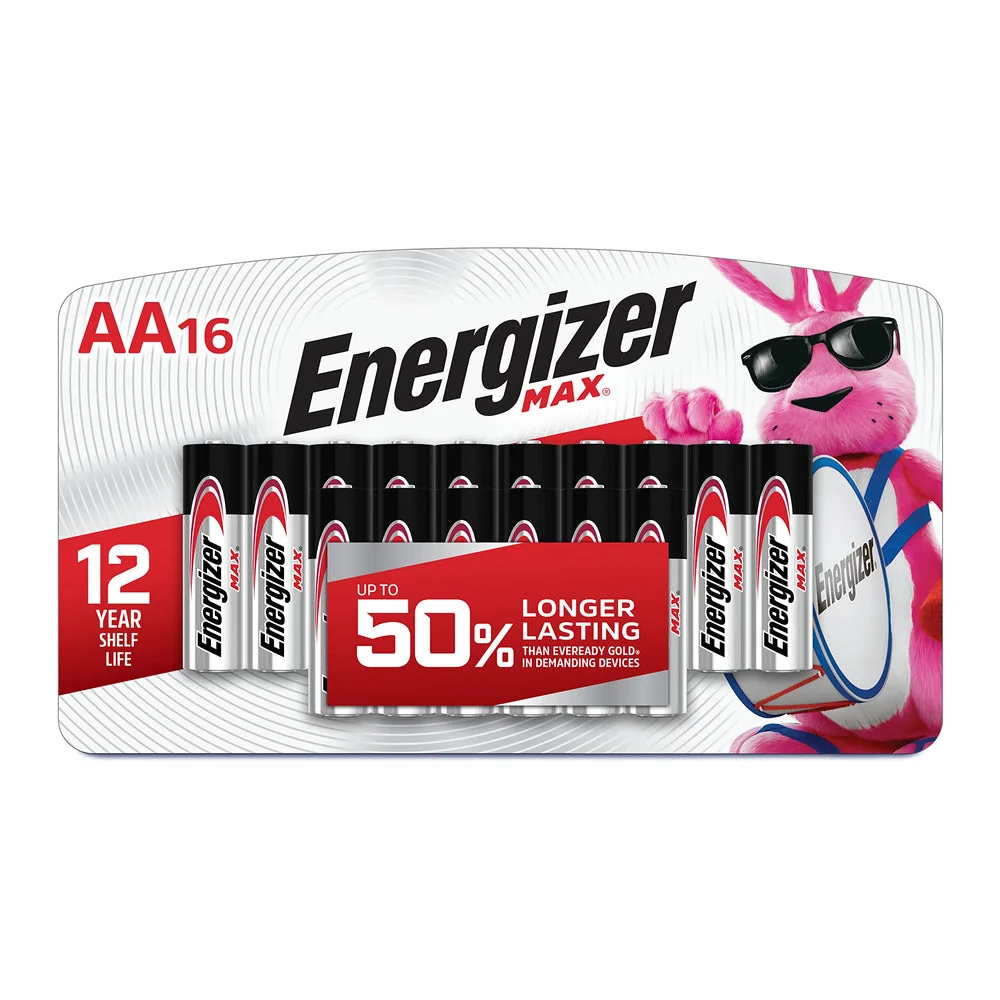
Energizer MAX AA Batteries — 16 Pack
AA spares for compatible equipment.
16 Energizer MAX AA batteries. Confirm the size and instructions for each device.
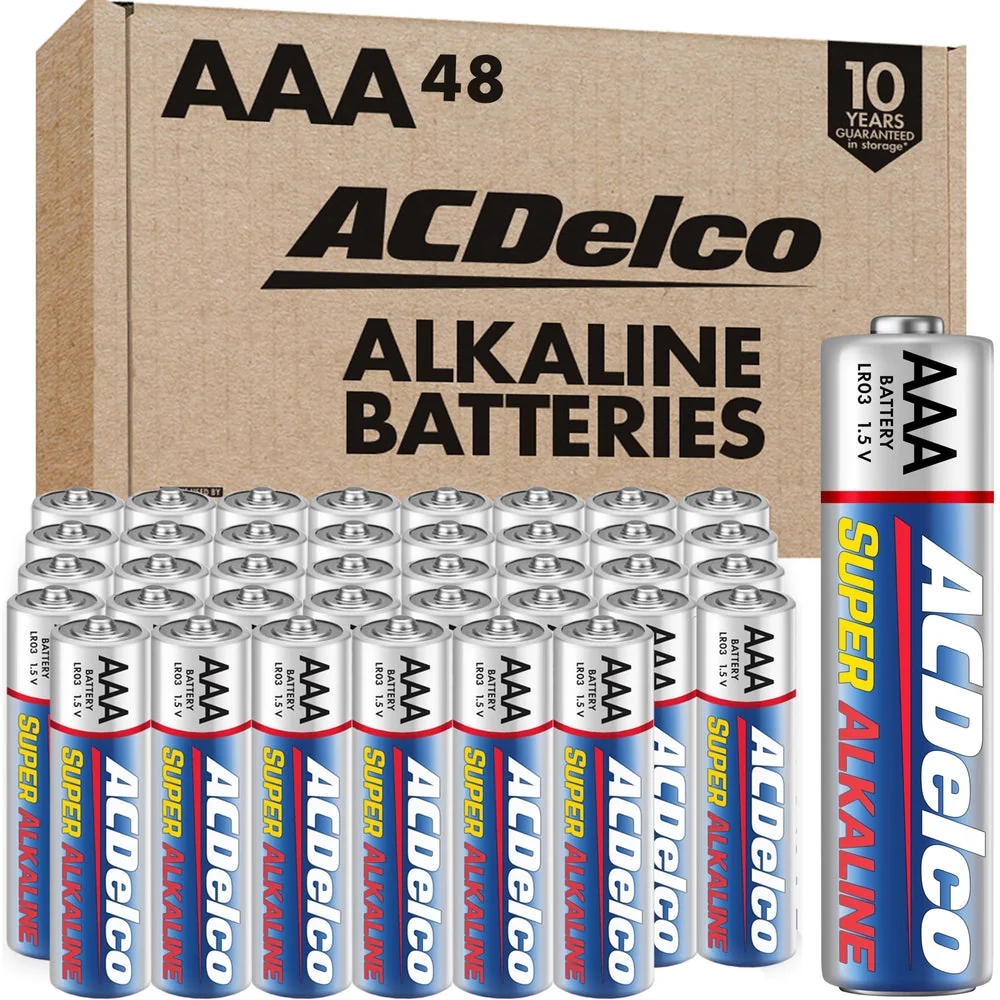
ACDelco AAA Batteries — 48 Pack
AAA spares for compatible equipment.
48 ACDelco AAA batteries. Keep battery types labeled and contacts protected.
17. Power banks and small backup batteries
Tip: Not all power banks can be used for all purposes, for example, some power banks can supply certain compatible low-power devices, while others can only be used to charge a cell phone. Do some research before making a purchase and don’t count on being able to run anything with higher power demands (such as a space heater or refrigerator) off of your power bank.
Essential medical equipment needs a specific backup plan agreed with your care team.
Related supplies
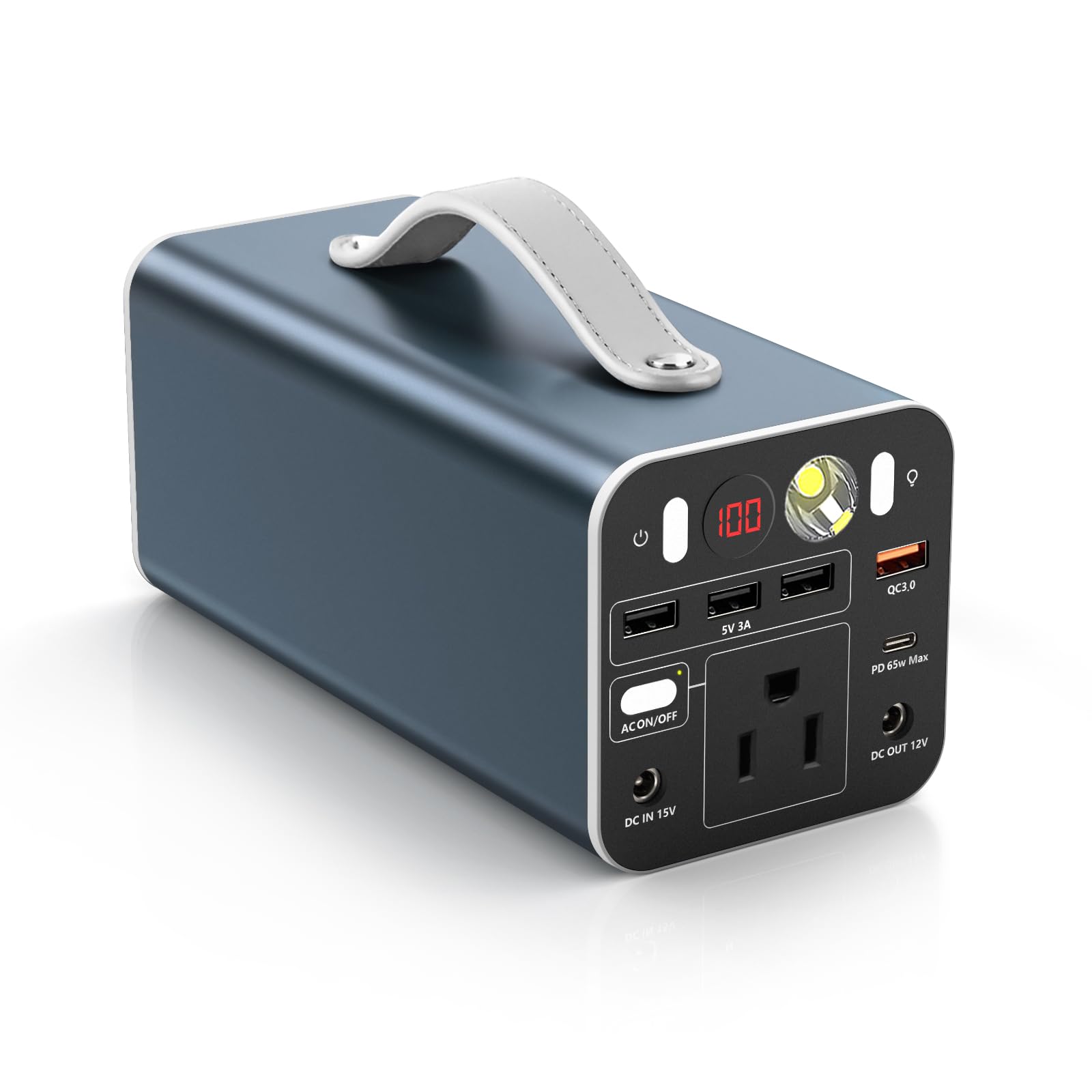
Powdeom Portable Power Station — 155Wh / 150W
Backup energy for compatible small devices.
155Wh capacity; 150W AC output. Not presented as a heater, refrigerator or essential medical-device backup.
18. Charging cables, adapters, and car chargers
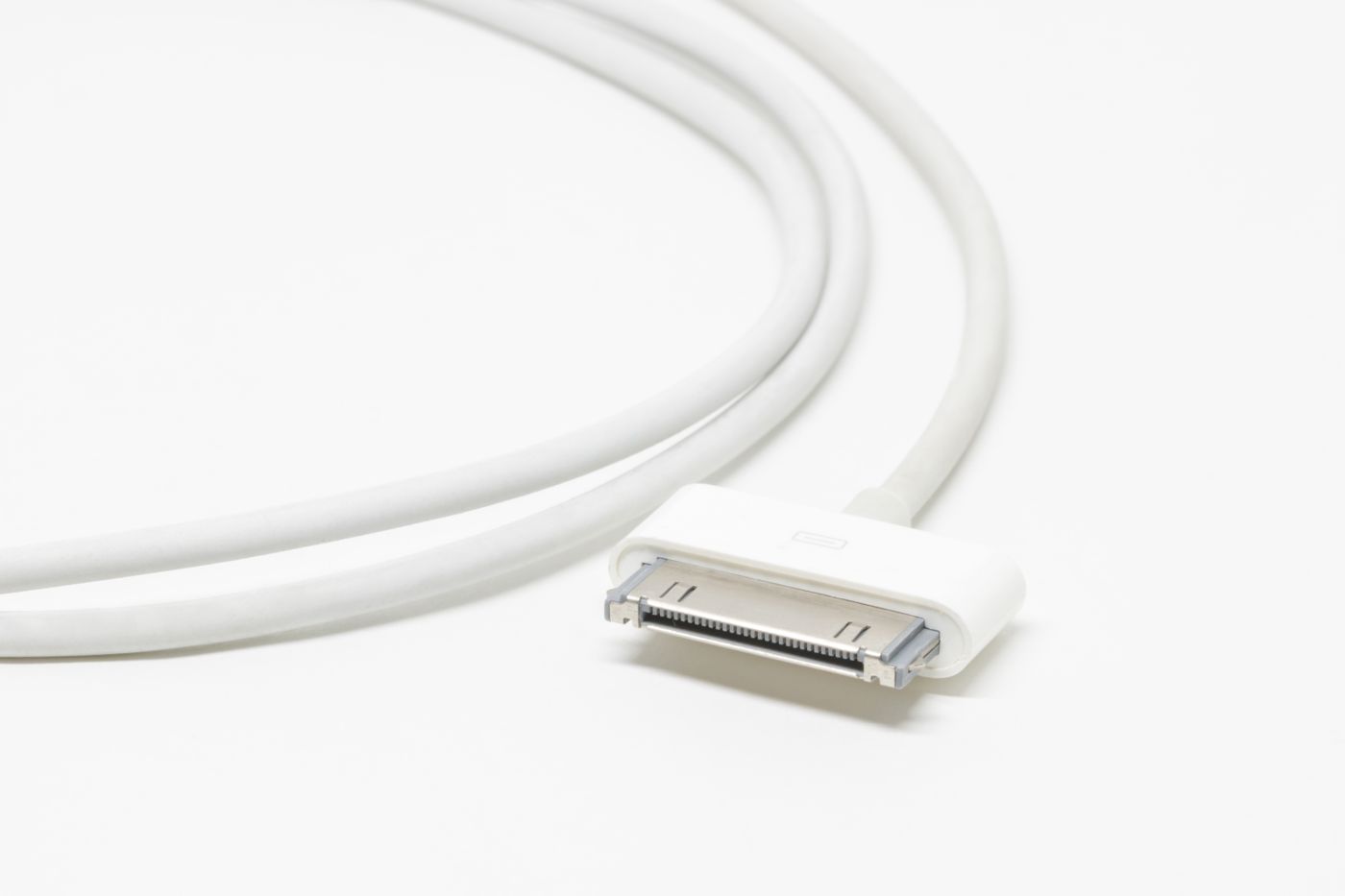
Tip: If you’re counting on being able to charge your phone or other small electronic device off of a car charger or power bank, make sure you have the right cables and adapters to do so. If you’re planning on using your vehicle’s battery to power a car charger, don’t run the engine in the garage, even with the garage door open!
19. Battery-powered or hand-crank radios
Tip: If you’re counting on a hand-crank or solar-powered radio, make sure you understand what that means in terms of using the radio, for example, if the radio has a battery back-up, you should check its instructions for the solar or hand-crank feature. Also, if you want a radio that picks up NOAA weather radio broadcasts, don’t assume that the radio will have a special alert feature, because many don’t! Do your research before making a purchase.
Related supplies
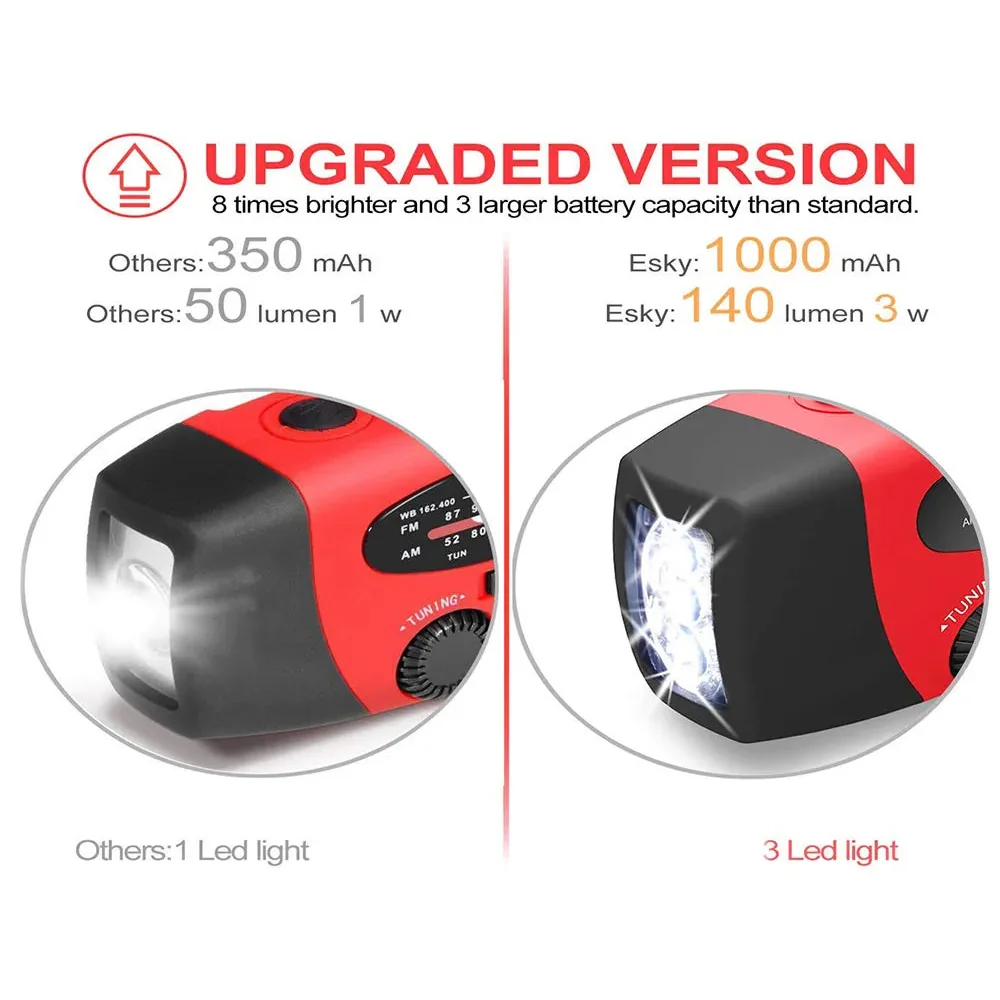
Hand-Crank AM/FM/NOAA Weather Radio
Another way to receive local broadcasts.
AM/FM/NOAA reception. Charge and test local reception; automatic alerts are not claimed.
20. Ice, freezer packs, and coolers
Tip: If you’re using ice in your freezer or cooler to keep food safe during a power outage, don’t forget to grab a thermometer to monitor the temperature inside your cooler or freezer. According to the FDA, a refrigerator should keep food at a safe temperature for about four hours during a power outage if the doors stay closed. Don’t forget, perishable food should be kept at 40°F or below to remain safe and you should never test food by taste to determine if it’s still safe to eat!
Related supplies
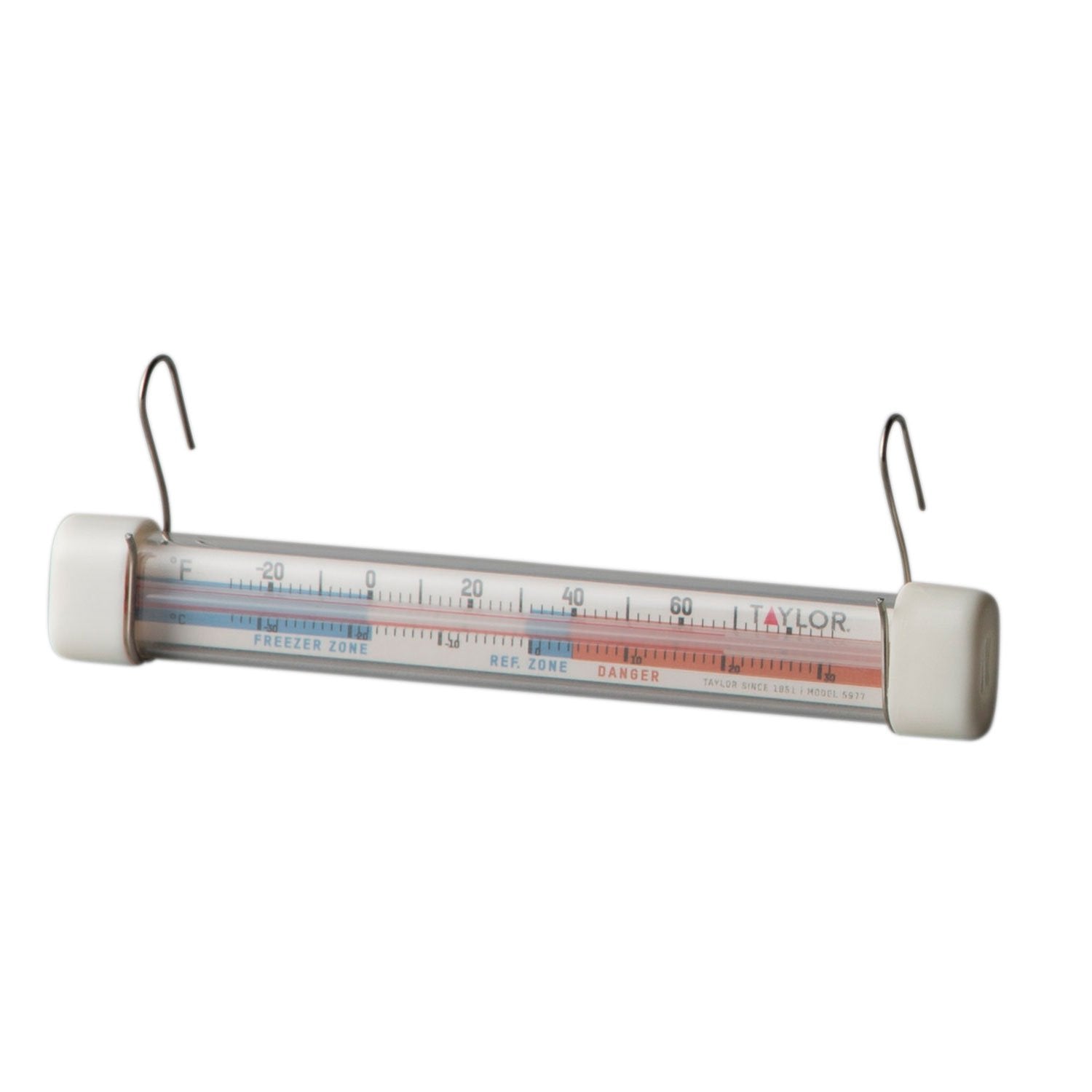
Taylor Refrigerator & Freezer Thermometer
Monitor refrigerator and freezer temperatures.
One Taylor 5977N thermometer. A reading does not establish a food’s earlier temperature history.
21. Propane and compatible outdoor cooking fuel
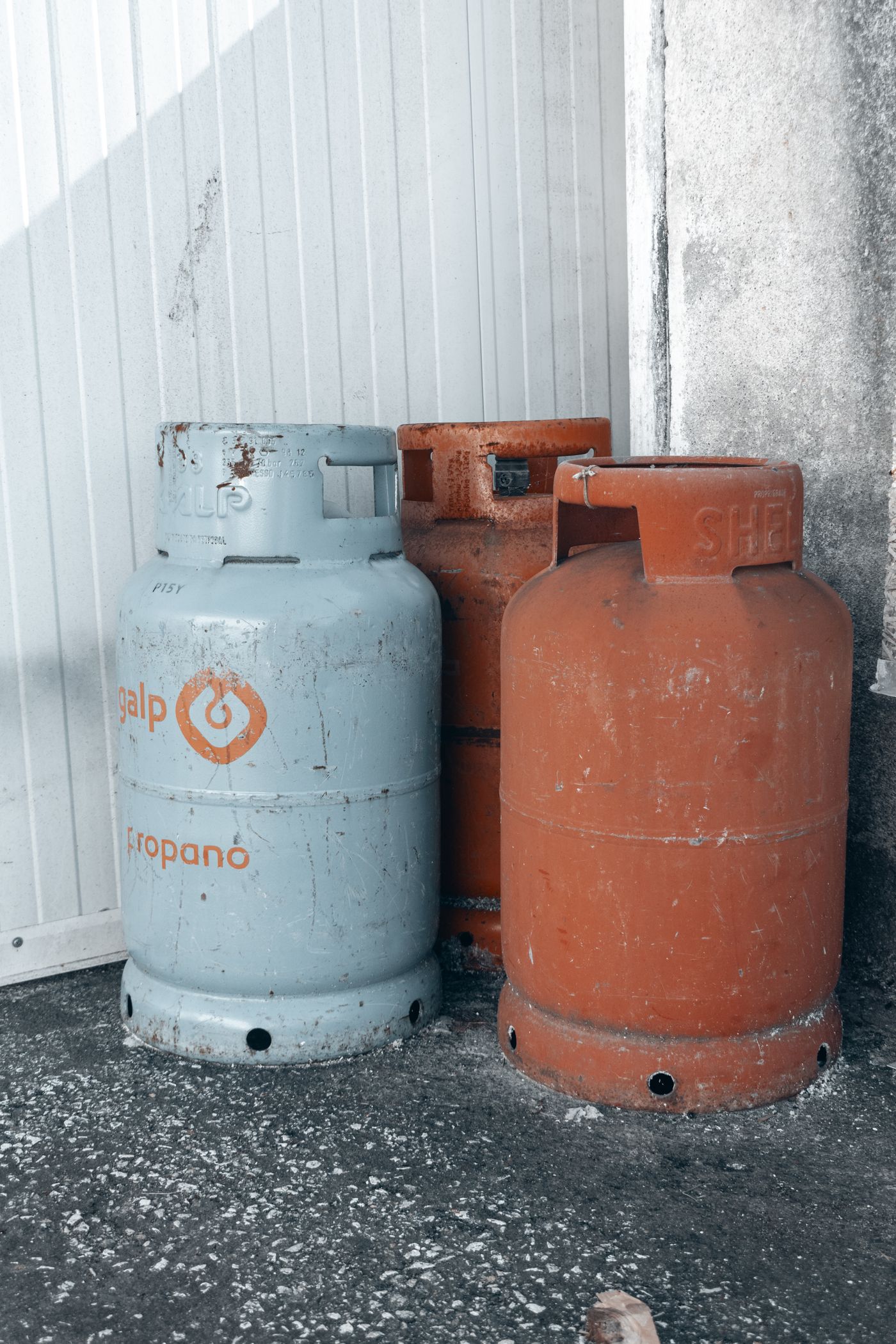
Tip: If you’re planning on using an outdoor camp stove or grill to prepare food during an outage, make sure you have enough fuel to do so, and make sure it’s the right kind of fuel for your grill or stove! Never use a grill or camp stove indoors, including in a garage or even a well-ventilated tent! Using a grill or other outdoor cooking appliance indoors can result in a dangerous build-up of carbon monoxide!
22. Gasoline and approved fuel containers
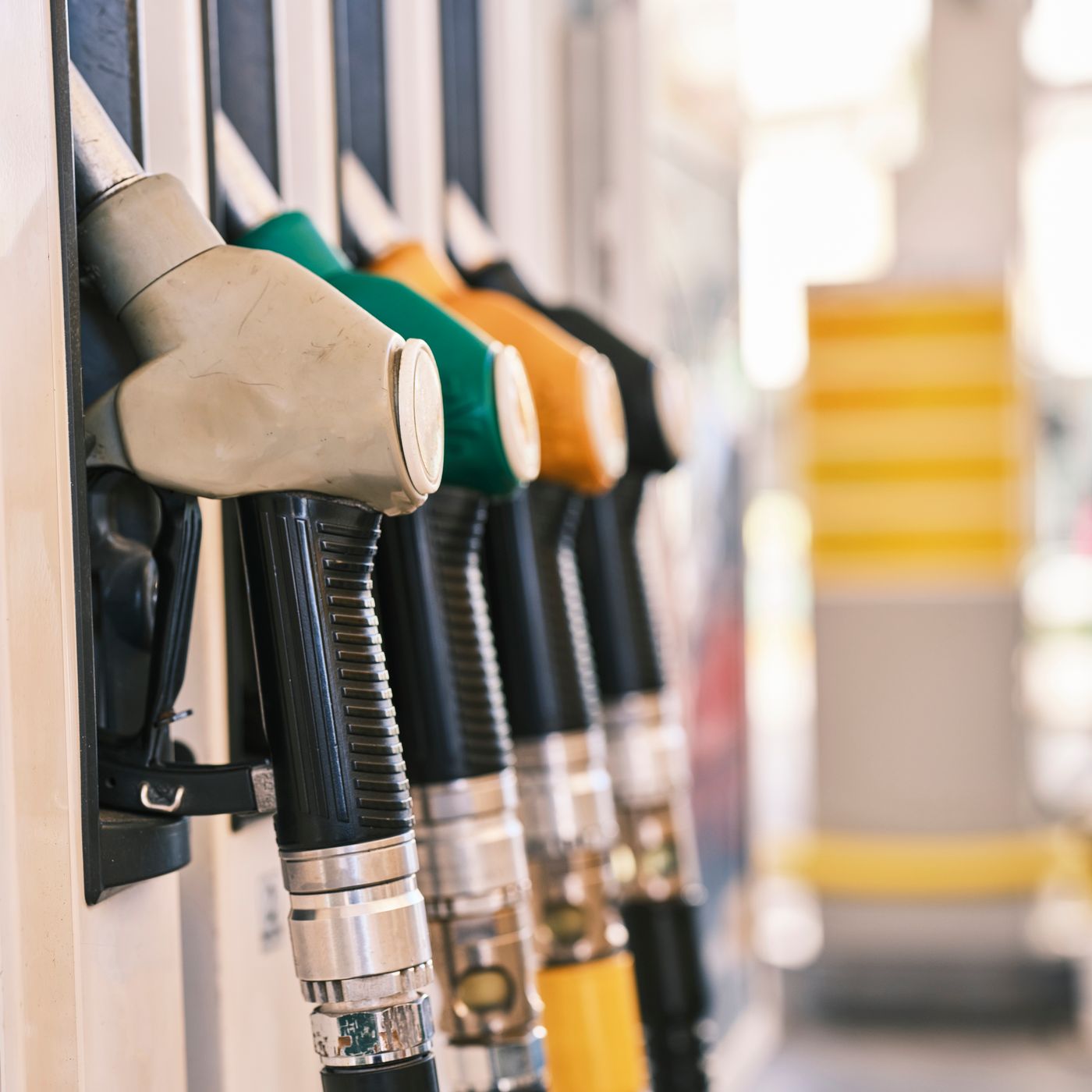
Tip: If you’re planning on using a generator during a power outage, make sure it’s properly fueled. The CPSC recommends that gasoline not be stored in basements or in living areas of a home and should be kept away from any pilot lights, sparks or flames. Never add gas to a generator while it’s running, so turn it off and let it cool down first! Generators should be run outside, at least 20 feet from homes and openings with the exhaust pointed away from the home.
Use only approved fuel containers as directed.
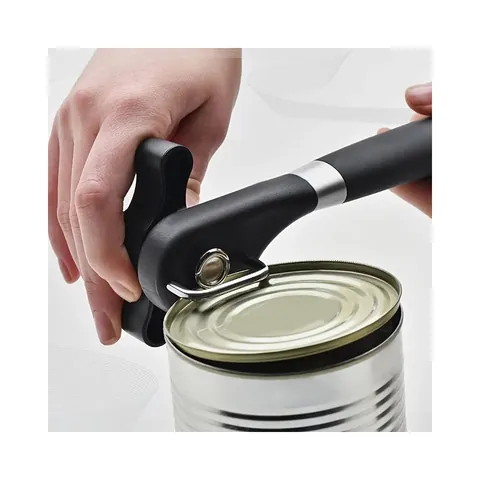
23. Manual can openers
Tip: If you’re stocking up on canned foods for your emergency supplies, don’t forget a manual can opener! If you or a family member has limited hand or arm mobility, make sure to test the can opener before you need it!
Related supplies
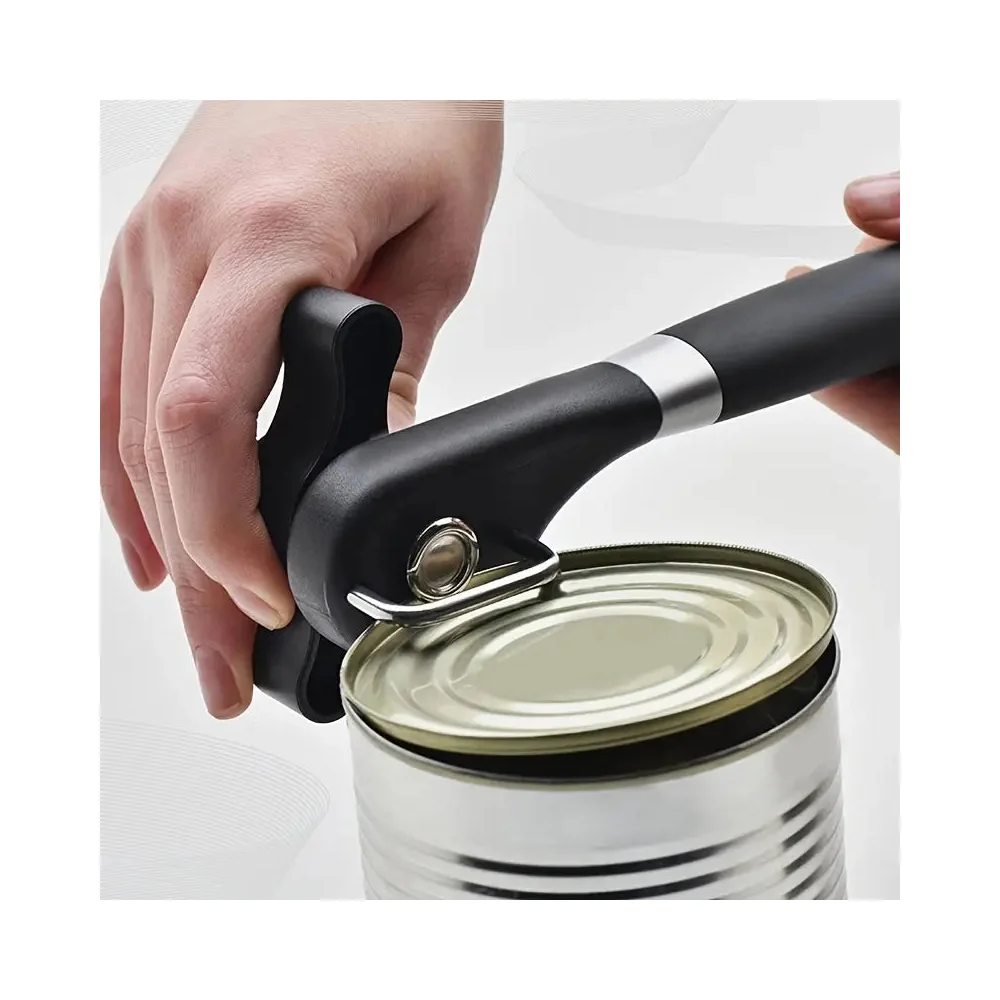
Easy-Grip Manual Can Opener
Open canned food without electricity.
One manual can opener. Check grip and operation before an outage.
24. Tarps, plastic sheeting, and household tape
Tip: Use caution when using tarps and plastic sheeting to protect your home during bad weather, because they are no substitute for structural reinforcement and won’t keep out rising flood waters! Don’t use plastic sheeting to seal off vents for gas-powered appliances.
Related supplies
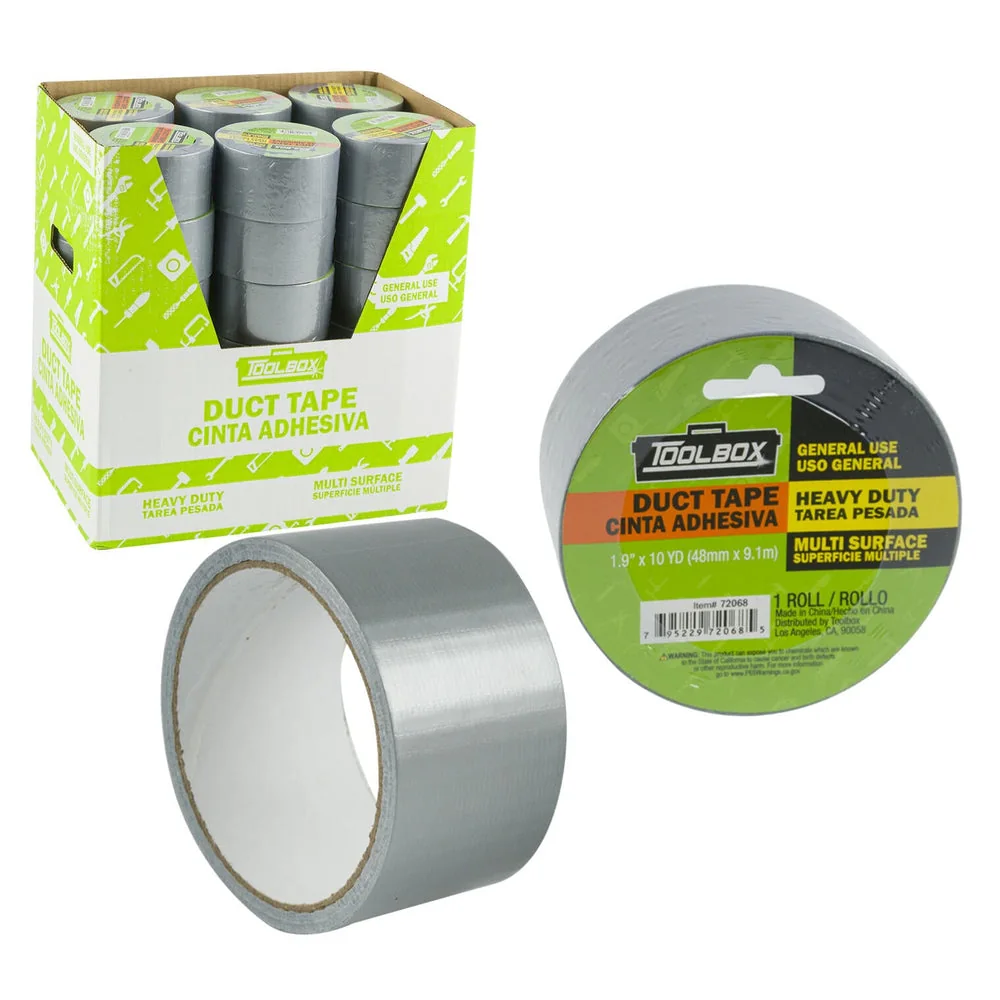
Household Duct Tape Roll
Tape for suitable small household tasks.
One roll. Follow product instructions; not a structural repair or a reason to block required ventilation.
Beat the rush by changing the timing
Rather than waiting for a weather event to rack your brain as to what you need and then racing to the store for supplies, get a head start! Do an inventory of what you currently have on hand, in your kitchen, garage, bathroom, car, etc., to see what else you may need. Build your emergency supplies over time by picking up a few items at a time (and rotating your perishable supplies so what you have on hand doesn’t go to waste). Remember to tailor your emergency supplies to the needs of infants, seniors, people with disabilities, and pets.
Emergency management experts recommend having at least a few days’ worth of emergency supplies on hand at all times. The amount of food, water, and other supplies you should keep depends on your household’s needs and the availability of evacuation routes in your area. If you’re in an area where you’re likely to be on your own for a while during a weather event, you’ll want more supplies on hand than someone who can easily leave the area when bad weather is forecast.
If you’re receiving weather alerts via NOAA Weather Radio, social media, or other sources, make sure to listen for instructions from local officials about whether or not you should be in an area, and follow those instructions! Road conditions, evacuation orders, and other factors may make it inadvisable to venture out for last-minute emergency preparedness shopping.
Emergency supplies won’t ward off every inconvenience that comes with a storm or other weather event. But if you take the time to put together your own stash of emergency supplies ahead of time, you won’t have to stand in line with everyone else wishing you’d thought of that item!
What to do when your usual item is gone
Consider what purpose the product will be put to. Could crackers be a good replacement for sandwich bread? Could you use the tap water (if there is a source and if authorities say it is safe) and store it in food-safe containers?
Know what cannot be replaced. There may be no replacement for prescription medication, medical supplies, or even formula for babies. If you have any of these items on your list, it’s important to have a plan for these items and check in with your medical team as needed. Don’t make changes to your medication or your baby’s formula based on advice from a stranger in the aisle!
Think about what will work with other supplies. If you buy a different size or kind of battery, will it fit in the flashlight? If you buy a portable battery charger, do you have an appropriate cable? If you buy fuel for cooking, will it work with the equipment you’re using to cook? Write this information down so if someone else is shopping for you, they’ll have the information they need.
Think about how you’ll use it. Can you safely and easily carry and store what you need? Can you open packages and access what’s inside? Is the food safe? Does it need refrigeration? Can you carry it on foot if you need to evacuate? Will you need to help anyone with limited mobility? It may make sense to purchase items in smaller quantities instead of taking advantage of bulk pricing.
Honor purchase limits. Purchase supplies based on the needs of your household, not what you see others purchasing or the amount of product you see on shelves. If it’s safe to do so and will not involve additional trips out, it might make sense to coordinate with neighbors so everyone’s needs are covered. Don’t commit to picking up medications or other specialty items unless you fully understand what’s needed and you have permission to make those purchases.
Know when to stop. Supplies can help give you options but they shouldn’t keep you from making sound decisions. If conditions are deteriorating, authorities have asked you to evacuate or someone in your household requires assistance, further errands probably won’t make things any better. Get to a safe location and follow directions from local officials.
After the event, make a note of what was helpful. What did you run out of? What was left over? Did anyone have difficulty opening packages, locating flashlights, charging devices, etc.? This information will be helpful to improve your plan and restock your go-bag or emergency kit. Return any borrowed items and replace used supplies during your next regular shopping trip.
Related supplies
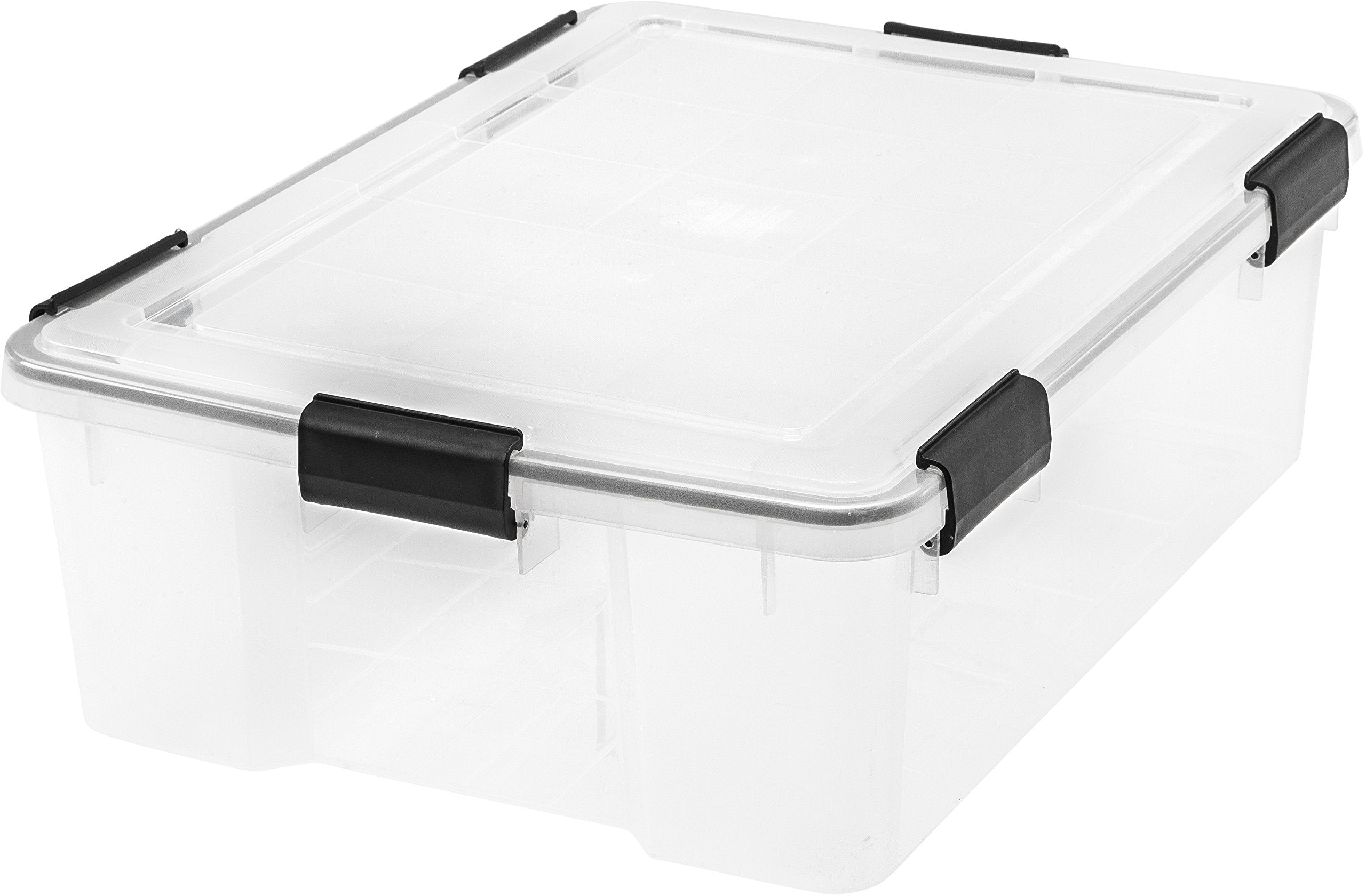
IRIS USA WEATHERPRO Storage Tote — 41 Quart
Organize packaged household supplies.
One empty 41-quart tote. Supplies sold separately; not represented as floodproof.
For broader household planning, read How to Survive 7 Days Without Power.
Sources and further reading
CDC: Creating and storing an emergency water supply
CDC: Infant formula during emergencies
FDA: Safe drug use after a natural disaster
FDA: Food safety during outages and floods
CDC: Avoiding carbon monoxide poisoning
CPSC: Fuel-container and gasoline safety
Massachusetts emergency-kit guidance
Pennsylvania emergency-supply checklist
Featured photo: Iván Cauich / Pexels, used under the Pexels License. Pexels source dated June 10, 2024; archived November 18, 2026. Illustrative stock photograph, not a documented emergency-shopping event.

 15 Essential Books for a Survival Library ↗
 Wildfires Can Disrupt Drinking Water Long After the Flames Are Gone ↗