Winter preparation
Use the low-temperature table as context, then check the forecast for wind chill, ice and snow before travel.
CHICAGO EMERGENCY PREPAREDNESS GUIDE
Plan for winter storms, summer heat, basement flooding and severe thunderstorms. Explore local weather, transit and utility resources, then build your household plan.
Cook County · Illinois
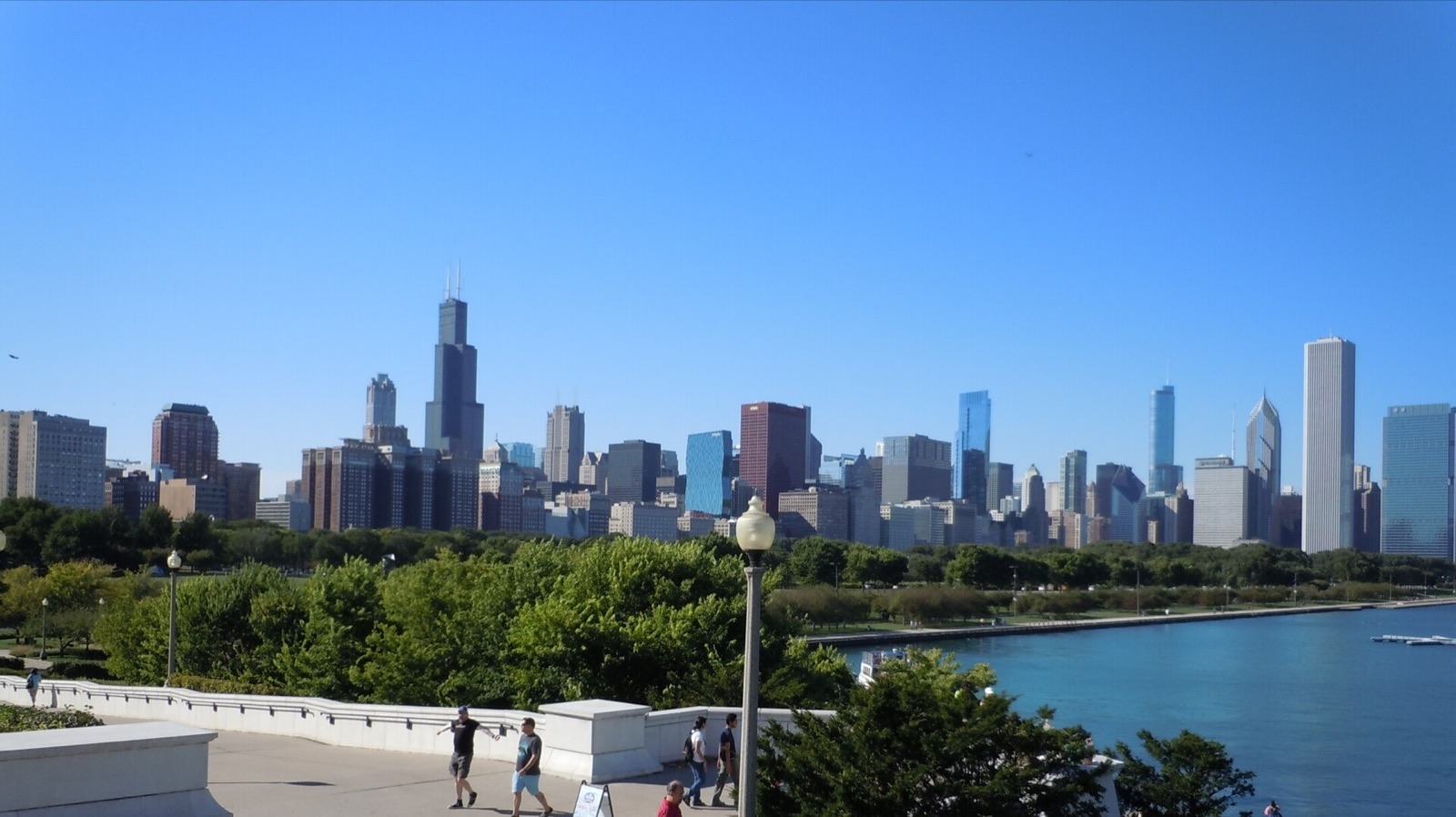
This guide covers Chicago. O’Hare station averages differ from lakefront and neighborhood conditions. County and regional weather resources cover areas beyond the city. Historical data and planning tools; check official sources for current conditions.
View sources ↗CHOOSE A STARTING POINT
01 / UNDERSTAND LOCAL RISKS
Compare winter temperatures, summer heat and precipitation through the year. Snowfall is represented here only by its water equivalent.
Chicago O’Hare Airport · NOAA 1991–2020
Monthly averages, not a forecast. Rainfall includes the water equivalent of precipitation. Days reaching 90°F are not heat-index days.
| Month | High °F | Low °F | Rain inches | Days ≥90°F |
|---|---|---|---|---|
| January | 31.6 | 18.8 | 1.99 | 0 |
| February | 35.7 | 21.8 | 1.97 | 0 |
| March | 47 | 31 | 2.45 | 0 |
| April | 59 | 40.3 | 3.75 | 0 |
| May | 70.5 | 50.6 | 4.49 | 0.8 |
| June | 80.4 | 60.8 | 4.1 | 4.1 |
| July | 84.5 | 66.4 | 3.71 | 6.5 |
| August | 82.5 | 65.1 | 4.25 | 3.7 |
| September | 75.5 | 57.1 | 3.19 | 1.6 |
| October | 62.7 | 45.4 | 3.43 | 0 |
| November | 48.4 | 34.1 | 2.42 | 0 |
| December | 36.6 | 24.4 | 2.11 | 0 |
Use the low-temperature table as context, then check the forecast for wind chill, ice and snow before travel.
O’Hare is inland. Lake breezes and local storms mean the shoreline may not match the airport.
Monthly averages smooth out extreme events. A single storm can cause serious basement or street flooding.
02 / UNDERSTAND LOCAL RISKS
Prepare both a stay-home plan and a way to reach a heated place if your home becomes unsafe.
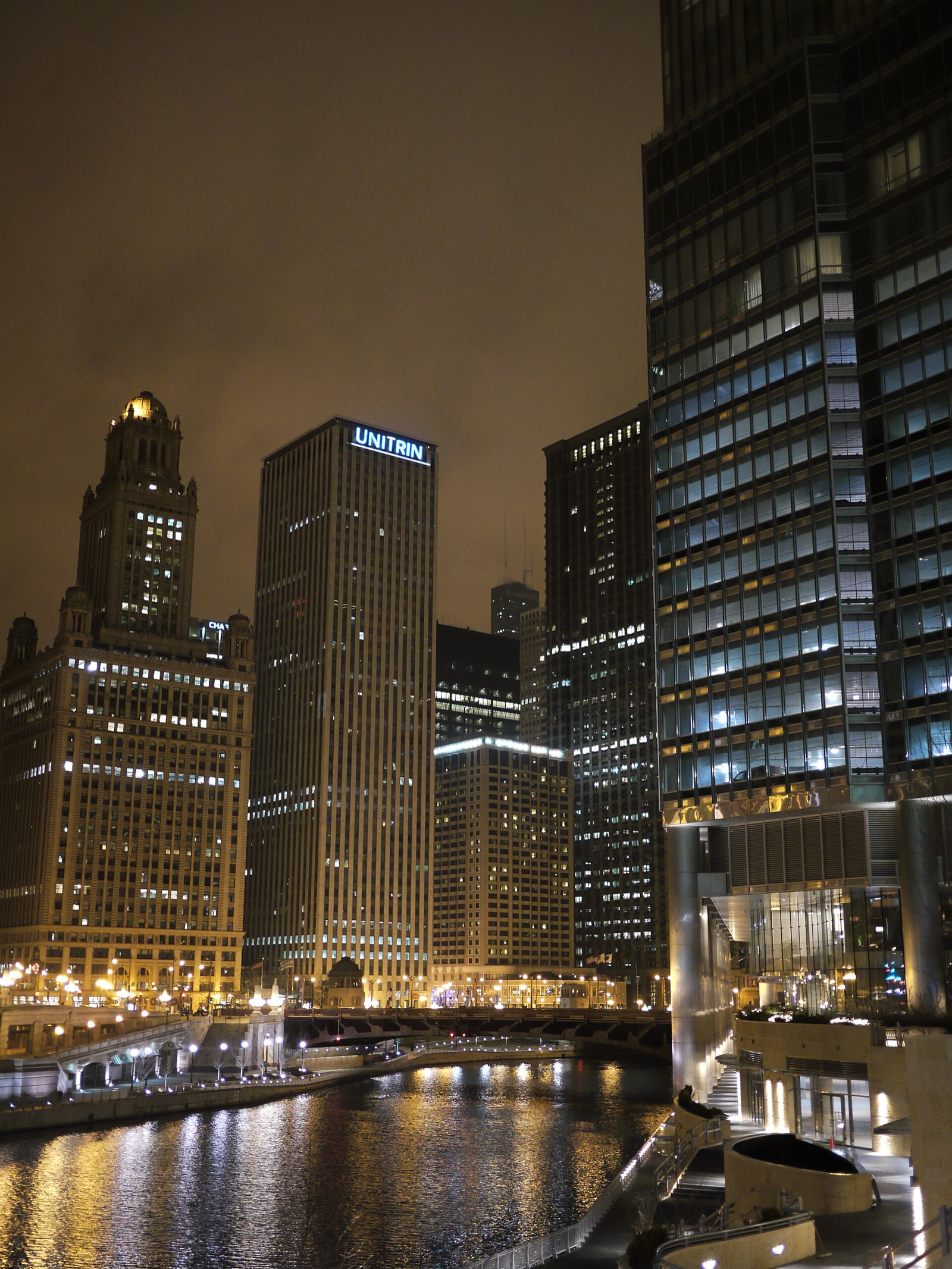
Check your building’s heating arrangements, store warm layers and keep lights charged. Ask who to call for a heating failure.
Check CTA service and elevator alerts. If driving, review current conditions and posted winter parking restrictions.
Contact building management and use 311 for city assistance. Do not use a stove, grill or outdoor heater to warm an indoor space.
Open Chicago winter resources ↗ · Check CTA disruptions ↗
On designated arterial streets, the winter overnight parking ban runs from 3–7 a.m., December 1–April 1, regardless of snowfall. Read the signs on your street and the city’s parking guidance ↗.
03 / UNDERSTAND LOCAL RISKS
Warm nights and a power outage can make an apartment difficult to cool. Choose an air-conditioned destination in advance.
Use the city’s cooling-center map, then call 311 to confirm which locations are operating. Some sites open only when conditions warrant, and holidays can change hours. Plan the trip as well as the destination.
Agree on a check-in routine with a neighbor or relative, especially for someone who lives alone or needs help traveling. If you rely on an elevator, include an assistance plan for an outage.
04 / UNDERSTAND LOCAL RISKS
Heavy rain can overwhelm drainage even far from the river. Know which rooms, stairwells and roads you should avoid if water rises.
Move important papers and irreplaceable items out of vulnerable low storage. Ask management about drains and previous water entry.
Avoid underpasses and other low roads when they are flooded. Never drive around a barrier or through standing water.
Use 311 for non-emergency city service requests. Call 911 for immediate danger; do not enter a flooded basement to investigate electrical equipment.
05 / UNDERSTAND LOCAL RISKS
Dense city blocks do not remove the need for a shelter plan. Know where to go at home, at work and while traveling.
For a tornado warning, use a basement or a small interior space on the lowest safe floor of a sturdy building, away from windows. Ask your building manager about the designated shelter area before warnings occur.
If basement flooding is also a concern, plan an alternative with building staff. A car or mobile home is not a suitable tornado shelter. Keep phone alerts on and use another source of weather information.
Review NWS shelter guidance ↗ · Register for NotifyChicago ↗
06 / UNDERSTAND LOCAL RISKS
Chicago does not use hurricane evacuation zones. Your destination and route depend on the event and official instructions.
Locate stair routes and ask management about evacuation assistance. Keep essential contacts and a light where you can reach them.
Save a second route and check CTA service and elevator alerts before leaving. Do not assume your usual accessible route is available.
Arrange a friend, relative or other suitable destination. Call 311 for city service information and follow emergency instructions for an active incident.
Review transit alerts ↗ · Find city assistance ↗
07 / BUILD YOUR EMERGENCY PLAN
Choose your household size, supply duration and housing type. Save a checklist and download local contacts with your plan.
STARTING WATER RESERVE
2 people × 7 days × 1 gallon per day
For people only; add pet and individual needs.
Tracks these tasks only, not a safety score. Choices stay in this browser.
The seven-day setting is a planning scenario. Start with at least one gallon of water per person per day; increase it for heat, pets and individual needs. Read water-storage guidance ↗
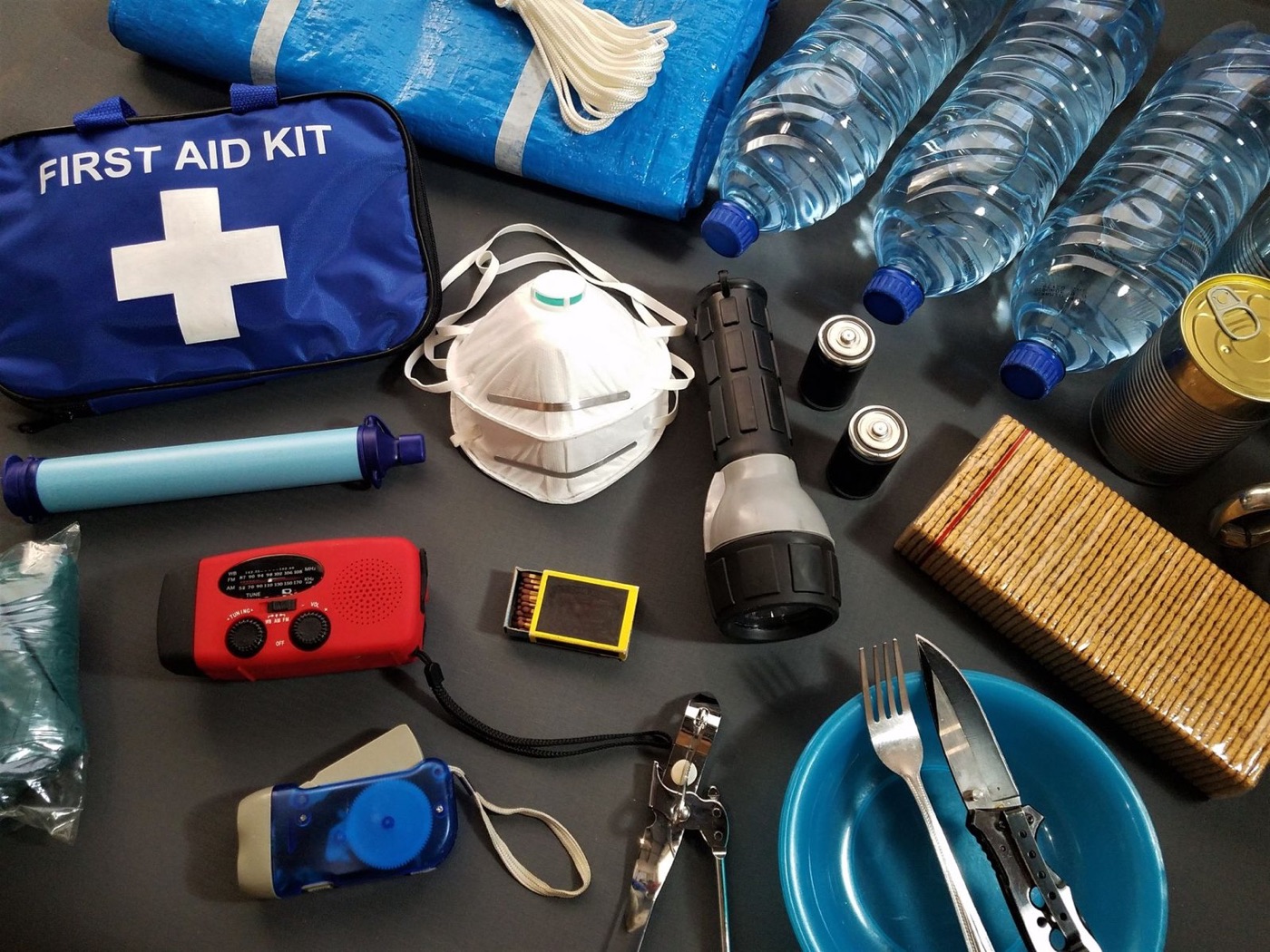
Keep a portable bag separate from your home reserve. Add medication instructions, accessibility needs and meeting places to the downloaded worksheet. The checklist tracks tasks you mark; it does not measure whether your home is safe.
08 / BUILD YOUR EMERGENCY PLAN
Choose a month for three practical tasks. These are suggested reminders, not a forecast or a restriction on when hazards can happen.
09 / USE THE TOOLS
Use the power label on each device. This calculator estimates energy use; it does not check electrical compatibility.
| Use | Device | Watts | Hours/day |
|---|
Watts × hours gives daily watt-hours. Battery capacity × usable percentage gives estimated usable energy. Actual runtime also depends on starting surges, inverter limits, battery condition and temperature.
10 / USE THE TOOLS
Compare the seasons before relying on a portable panel for backup charging.
NASA POWER · 2001–2025
The estimate uses monthly average sunlight on a horizontal surface: panel watts × daily irradiation × the percentage retained after losses. It is an approximate daily energy budget, not guaranteed output during a storm.
Shade, nearby buildings, panel angle, temperature and charging limits change the result. Check that the panel and battery are compatible. View the underlying NASA grid data ↗
11 / BUILD YOUR EMERGENCY PLAN
Use local alerts and a second information source. Test reception and batteries before you need them.
Keep the leading zero.
KWO39 · Verify reception where you will use the radio. Radio setup source ↗
SAME filters county alerts on compatible receivers. A basic weather-band radio may only play broadcasts when switched on. Check the model before relying on automatic warnings; the county code does not identify your evacuation zone.
12 / BUILD YOUR EMERGENCY PLAN
Put these links and numbers in your phone and keep a paper copy. Check your utility bill to confirm the correct provider.
Call 911 for immediate danger.
Call 311 or submit a service request ↗.
Outage reporting: 800-334-7661. See reporting options ↗
Find city cooling locations ↗; call 311 to confirm availability.
Read current city heating guidance ↗ and contact your building manager.
13 / UNDERSTAND LOCAL RISKS
These examples show how different emergencies affect everyday life. They are not a forecast or an estimate of your address’s risk.
NWS reports 21.2 inches of snow at O’Hare over January 31–February 2, with strong winds and widespread transport disruption. Planning lesson: prepare to remain home and keep a separate plan for loss of heat. Read the event review ↗
Heavy rain caused significant flooding in Chicago and nearby suburbs. Planning lesson: prepare for basement and roadway flooding even when the monthly rainfall chart looks ordinary. Read the event review ↗
14 / BUILD YOUR EMERGENCY PLAN
Supplies selected for Chicago’s local risks and the plans on this page. Start with what you already own.
These are individual products, not a complete emergency kit. Compare capacity, fit and household needs before buying. Cards show the current store catalog; confirm options and availability on the product page.
Browse all emergency supplies →
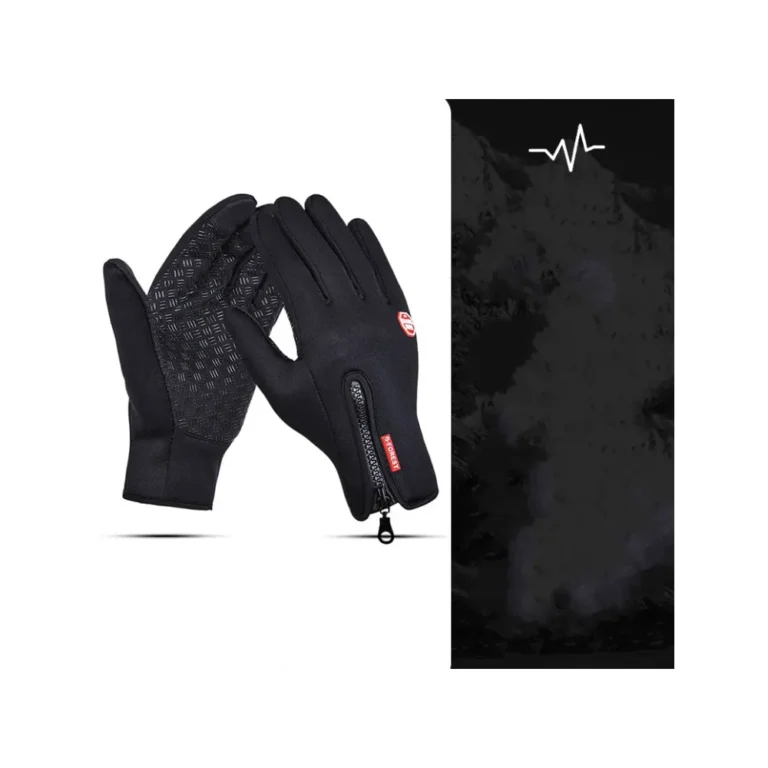
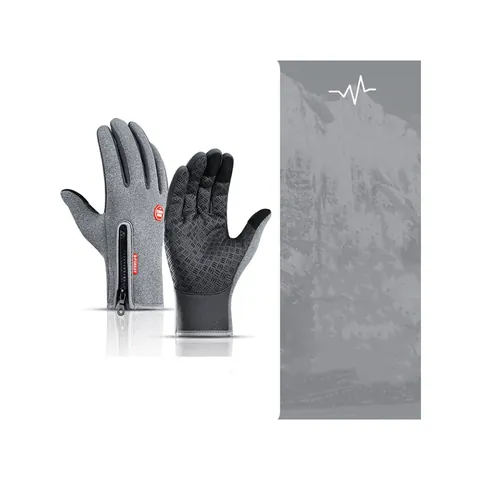
Keep warm hand protection with winter supplies and travel clothing. Gloves do not replace access to a heated place.
 10% off · WINTER10
An extra layer for hands
In stock
From $14.95 USD
Choose options & shopUse these reusable heat packs as a temporary comfort item during cold-weather travel. Follow instructions; they are not a home-heating solution.

 10% off · WINTER10
Short periods of hand warmth
In stock
$35.95 USD
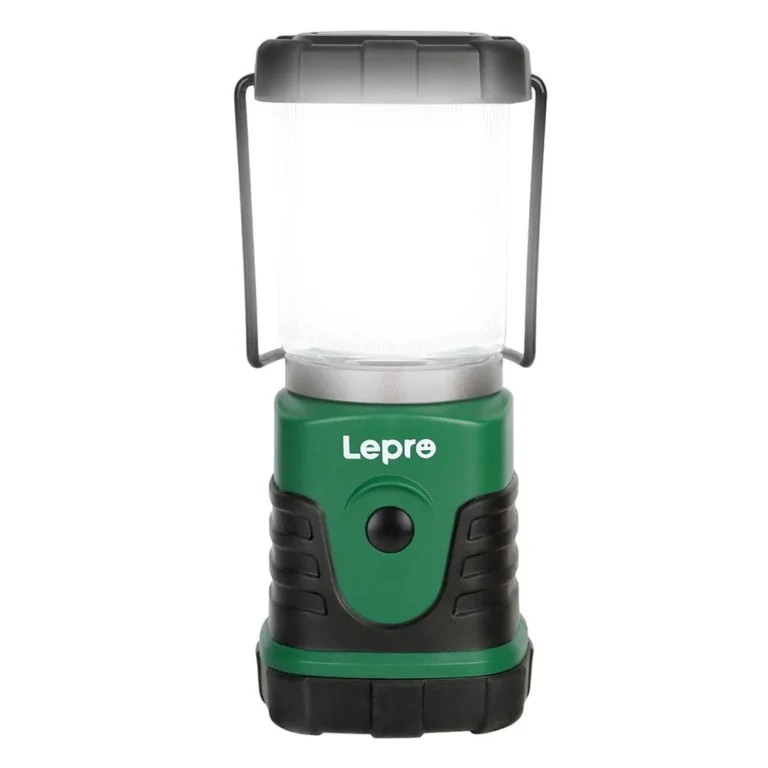
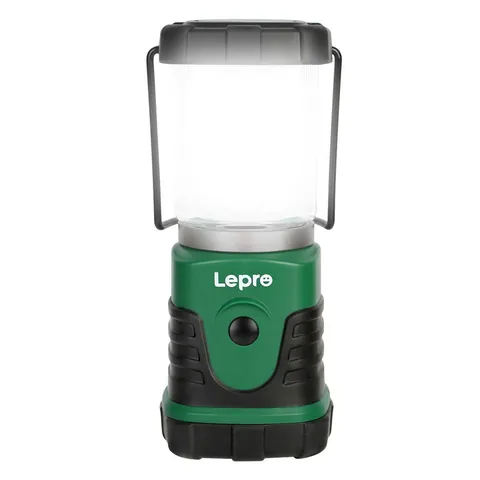
Choose options & shopLight a room during a winter or summer outage. This lantern needs three AA batteries, sold separately.
 10% off · WINTER10
Lighting with replaceable batteries
In stock
$33.95 USD
Choose options & shopMonitor cold-food storage during an outage. Follow official food-safety guidance before keeping food.
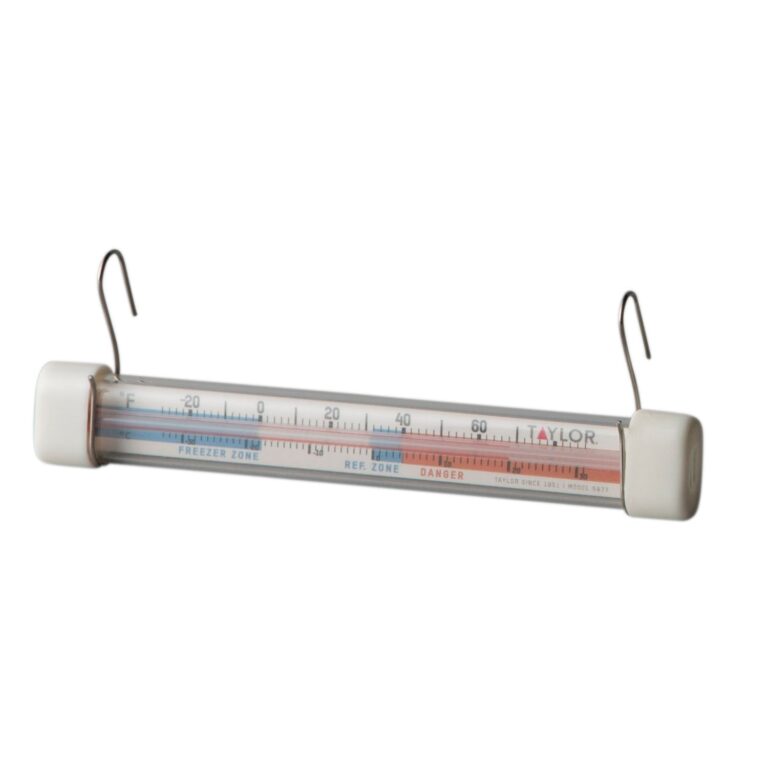

Make checking your refrigerator or freezer temperature part of your household outage plan.
In stock
$17.95 USD
Choose options & shopKeep small devices charged while snow, storms or outages disrupt service. Check the 155Wh capacity and 150W output; it will not run household heating.
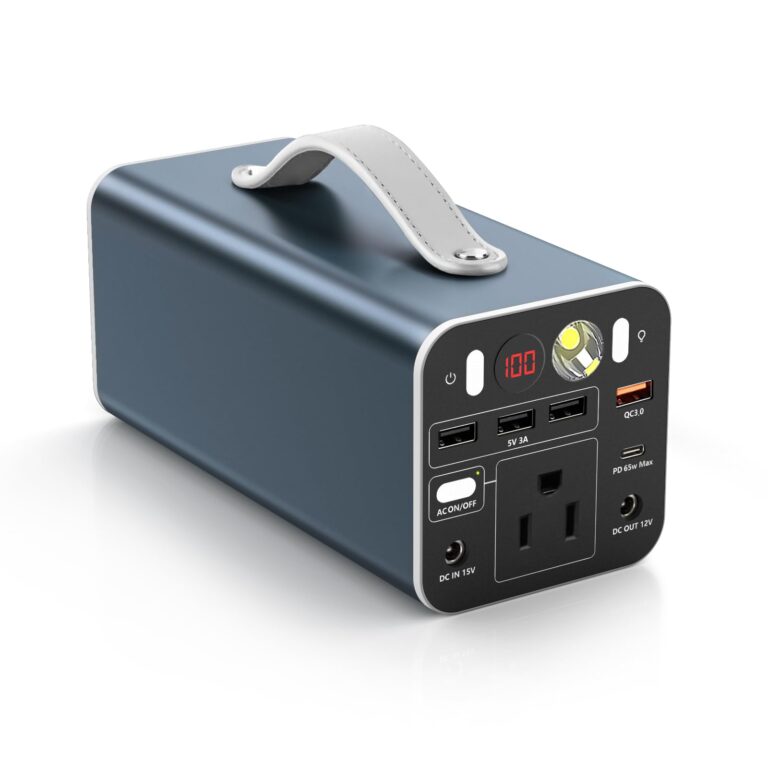

Keep a portable battery reserve for phones, compatible laptops and other small essentials during an outage.
In stock
$179.95 USD
Choose options & shopOpen canned food during a power outage without an electric opener. Pair it with food your household already uses.

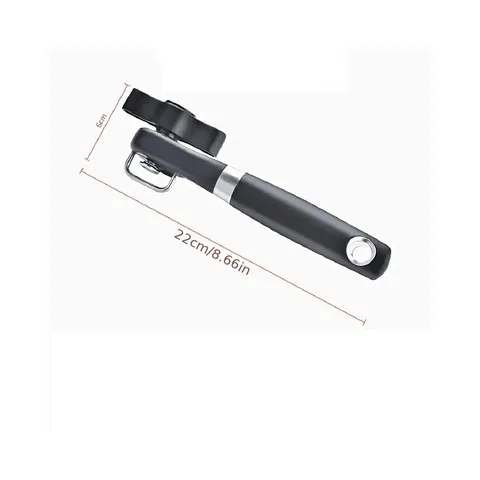 10% off · WINTER10
Opening canned food without electricity
In stock
$16.95 USD
Choose options & shopSOURCES AND COVERAGE
Independent Local Prepper guide. Sources reviewed November 2026. City, county, airport, and regional data are labeled separately. No address-level safety assessment or live alert feed is provided.
Chicago O’Hare Airport, station USW00094846; 1991–2020 monthly station averages, not neighborhood measurements · Checked 2026-11-13
Grid near 41.8781, -87.6298; January 2001–December 2025 monthly daily irradiation averages · Checked 2026-11-13
National household water-storage guidance; increase amounts for heat, pets and individual needs · Checked 2026-11-13
City service requests and assistance locating available services; not emergency dispatch · Checked 2026-11-13
City enrollment for severe-weather, traffic and other emergency notices · Checked 2026-11-13
City facility network; some centers activate only during extreme heat; confirm hours with 311 · Checked 2026-11-13
City winter resources, snow-removal information and travel planning · Checked 2026-11-13
City snow response and overnight parking restrictions on designated streets · Checked 2026-11-13
Current city explanation of building heating requirements and exceptions · Checked 2026-11-13
ComEd reporting and optional outage-alert enrollment · Checked 2026-11-13
Current rail, bus and station elevator disruptions · Checked 2026-11-13
162.550 MHz; Cook County SAME 017031; local coverage information · Checked 2026-11-13
National shelter guidance for homes, work, schools and vehicles · Checked 2026-11-13
National flooded-road and floodwater guidance · Checked 2026-11-13
January 31–February 2, 2011; O’Hare snowfall and regional impacts · Checked 2026-11-13
Chicago and nearby suburbs; rainfall varied widely across the event · Checked 2026-11-13
Photo: Chicago Skyline Illinois.jpg by Gian Marco Leonardi, Taken on 19 September 2016. Public domain. Display cropped.


