Heat extends beyond summer
Use the month selector before planning outdoor chores. A comfortable morning does not describe the afternoon high.
PHOENIX EMERGENCY PREPAREDNESS GUIDE
Plan for extreme heat, monsoon storms, dust, flash flooding and power outages—with local weather charts, cooling resources and a household checklist.
Maricopa County · Arizona
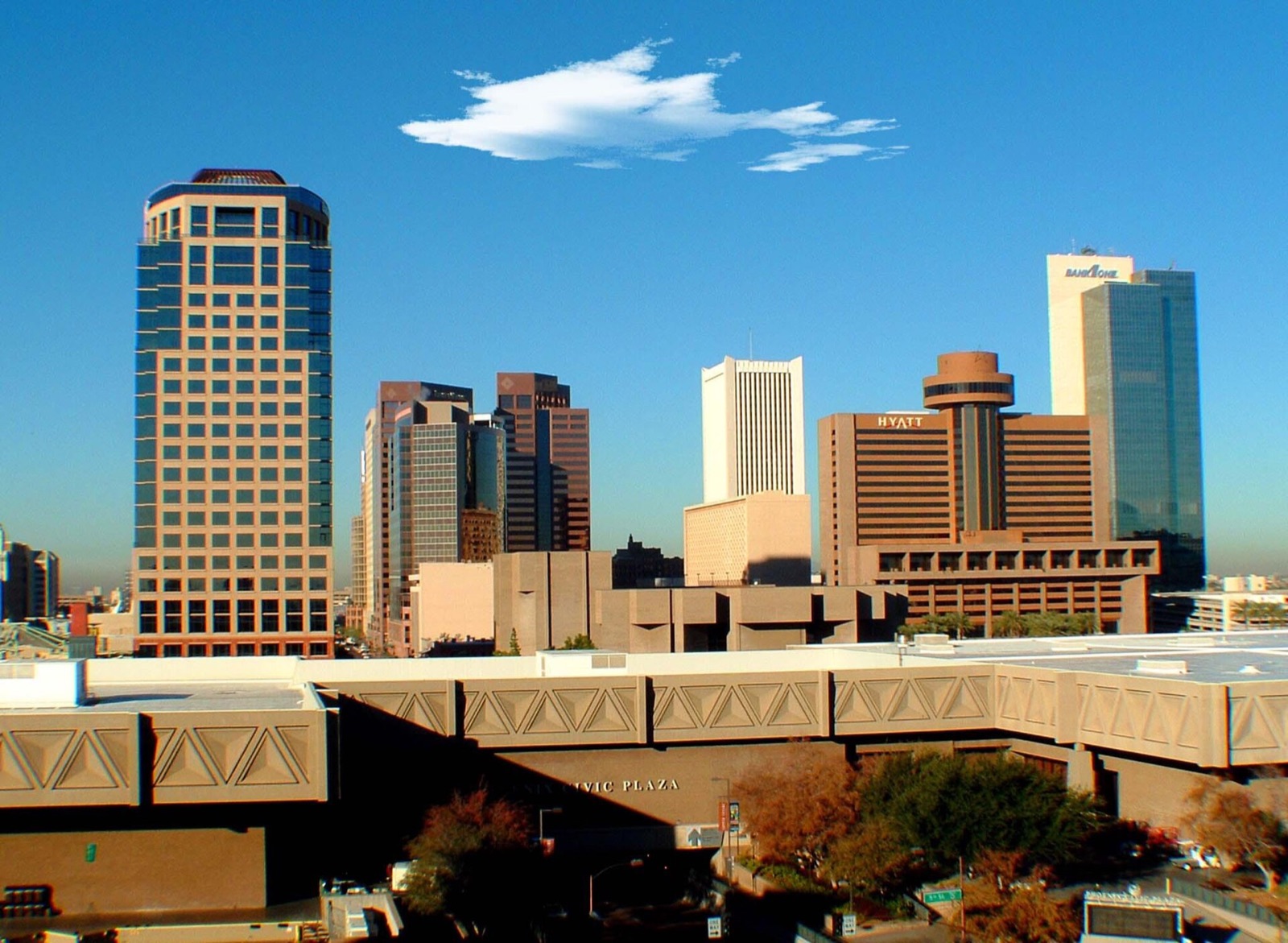
This guide covers the City of Phoenix. County resources serve a wider area; airport averages do not describe every neighborhood. Historical data and planning tools; check official sources for current conditions.
View sources ↗CHOOSE A STARTING POINT
01 / UNDERSTAND LOCAL RISKS
See how long the hot season lasts, when rain is more common, and how often temperatures reach 90°F.
Phoenix Sky Harbor Airport · NOAA 1991–2020
Monthly averages, not a forecast. Rainfall includes the water equivalent of precipitation. Days reaching 90°F are not heat-index days.
| Month | High °F | Low °F | Rain inches | Days ≥90°F |
|---|---|---|---|---|
| January | 67.6 | 46 | 0.87 | 0 |
| February | 70.8 | 49 | 0.87 | 0 |
| March | 78.1 | 54.5 | 0.83 | 2.1 |
| April | 85.5 | 60.8 | 0.22 | 10.2 |
| May | 94.5 | 69.5 | 0.13 | 23.6 |
| June | 104.2 | 78.6 | 0.02 | 29.4 |
| July | 106.5 | 84.5 | 0.91 | 30.8 |
| August | 105.1 | 83.6 | 0.93 | 30.7 |
| September | 100.4 | 78.1 | 0.57 | 28.4 |
| October | 89.2 | 65.6 | 0.56 | 16.8 |
| November | 76.5 | 53.7 | 0.57 | 1.4 |
| December | 66.2 | 45.3 | 0.74 | 0 |
Use the month selector before planning outdoor chores. A comfortable morning does not describe the afternoon high.
Sky Harbor is one station. Shade, pavement and neighborhood conditions affect what you experience.
A low monthly average cannot rule out a dangerous downpour or a flooded road.
02 / UNDERSTAND LOCAL RISKS
Your most important backup may be another air-conditioned location, especially if your home depends on powered cooling.
Use the city’s heat-relief resources and choose a second place, such as a friend’s air-conditioned home. Check hours, access and whether pets can come.
Write down how you will get there if your car, usual ride or phone is unavailable. Include anyone who needs assistance.
Agree on a check-in routine with a neighbor or relative. Do not assume a person has working cooling because their lights are on.
Find Phoenix heat-relief resources ↗
03 / UNDERSTAND LOCAL RISKS
Phoenix identifies June 15 through September 30 as monsoon season. Storms can disrupt one part of the Valley while another remains dry.
Secure loose outdoor items, save outage contacts and check that weather alerts reach your phone.
Charge lights and phones. Change outdoor plans and check travel conditions before leaving.
Avoid damaged lines and flooded streets. Report outages to your own electricity provider; a nearby neighborhood may use a different one.
04 / UNDERSTAND LOCAL RISKS
A dust storm can quickly make lane markings and other vehicles hard to see. Avoid driving into it.
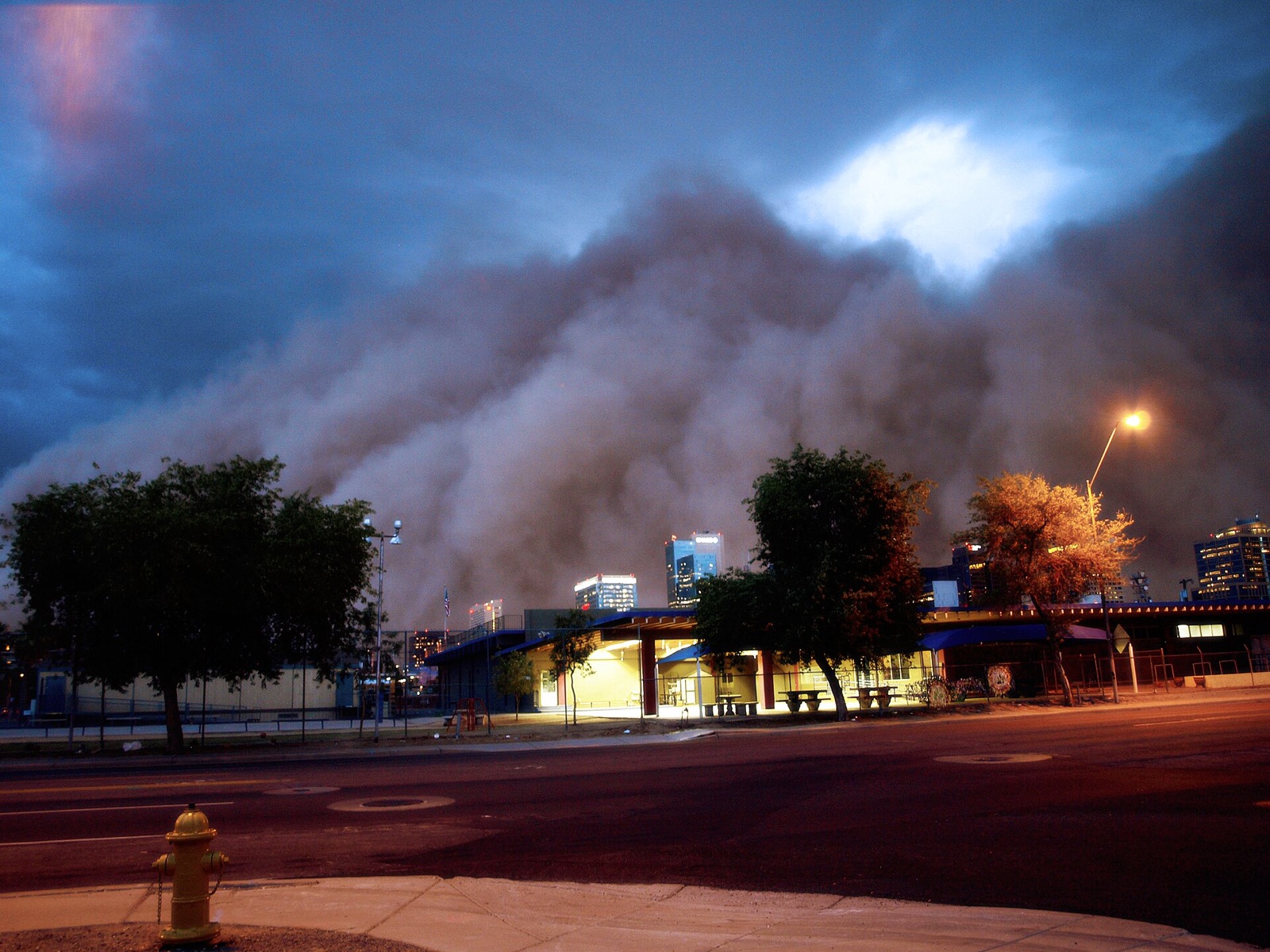
ADOT advises leaving the highway before visibility collapses if possible. If you must stop, get completely off the paved roadway, away from travel and emergency lanes. Once safely stopped, turn off all vehicle lights, set the parking brake, take your foot off the brake and stay buckled inside until the storm passes.
Read ADOT’s full instructions ↗
05 / UNDERSTAND LOCAL RISKS
Desert drainage channels, washes and low roads can carry water during storms. A familiar crossing can become impassable.
Choose an alternate route before heavy rain. Never drive or walk through floodwater, and do not move a road-closure barrier. Road maps may not show every neighborhood hazard.
Check Arizona road conditions ↗ · Review floodwater safety ↗
06 / UNDERSTAND LOCAL RISKS
Find official emergency-zone information and decide where you could go before an evacuation notice arrives.
Prepare your household and keep an evacuation bag accessible.
There is a significant threat in the area. Prepare to act and account for people, pets and transport.
Leave promptly when told to evacuate. Follow emergency personnel’s instructions and the routes specified for that event.
Open Maricopa County emergency zones ↗ · Register for local notifications ↗
Save an out-of-area meeting point and a backup destination. If you need assistance leaving, make that arrangement now; a map alone does not arrange a ride.
07 / BUILD YOUR EMERGENCY PLAN
Choose your household size, supply duration and housing type. Save a checklist and download local contacts with your plan.
STARTING WATER RESERVE
2 people × 7 days × 1 gallon per day
For people only; add pet and individual needs.
Tracks these tasks only, not a safety score. Choices stay in this browser.
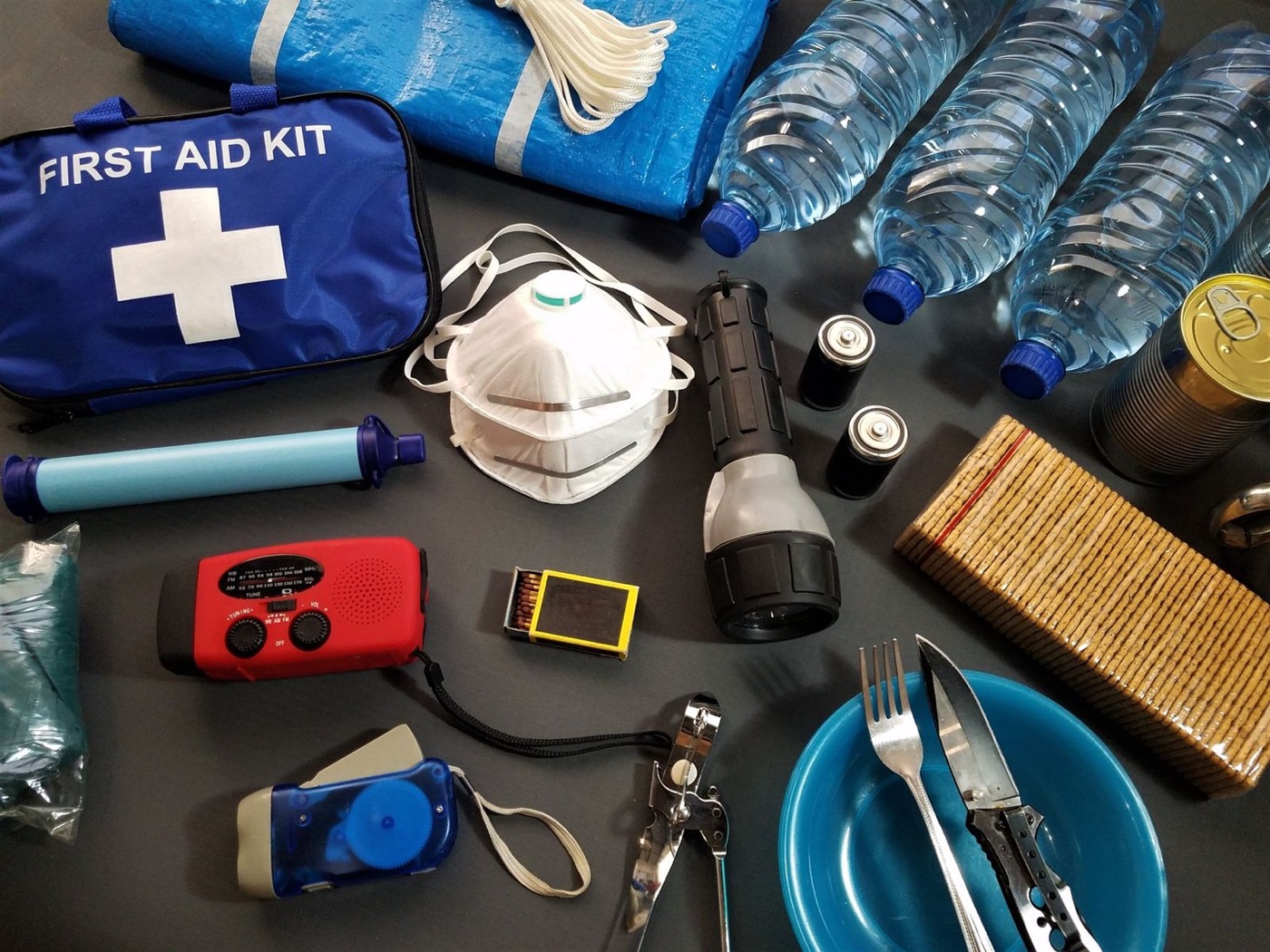
The seven-day setting is a planning scenario. Start with at least one gallon of water per person per day; increase it for heat, pets and individual needs. Read water-storage guidance ↗
Keep a portable bag separate from your home reserve. Add medication instructions, accessibility needs and meeting places to the downloaded worksheet. The checklist tracks tasks you mark; it does not measure whether your home is safe.
08 / BUILD YOUR EMERGENCY PLAN
Choose a month for three practical tasks. These are suggested reminders, not a forecast or a restriction on when hazards can happen.
09 / USE THE TOOLS
Use the power label on each device. This calculator estimates energy use; it does not check electrical compatibility.
| Use | Device | Watts | Hours/day |
|---|
Watts × hours gives daily watt-hours. Battery capacity × usable percentage gives estimated usable energy. Actual runtime also depends on starting surges, inverter limits, battery condition and temperature.
10 / USE THE TOOLS
Compare the seasons before relying on a portable panel for backup charging.
NASA POWER · 2001–2025
The estimate uses monthly average sunlight on a horizontal surface: panel watts × daily irradiation × the percentage retained after losses. It is an approximate daily energy budget, not guaranteed output during a storm.
Shade, nearby buildings, panel angle, temperature and charging limits change the result. Check that the panel and battery are compatible. View the underlying NASA grid data ↗
11 / BUILD YOUR EMERGENCY PLAN
Use local alerts and a second information source. Test reception and batteries before you need them.
Keep the leading zero.
KEC94 · Verify reception where you will use the radio. Radio setup source ↗
SAME filters county alerts on compatible receivers. A basic weather-band radio may only play broadcasts when switched on. Check the model before relying on automatic warnings; the county code does not identify your evacuation zone.
12 / BUILD YOUR EMERGENCY PLAN
Put these links and numbers in your phone and keep a paper copy. Check your utility bill to confirm the correct provider.
Call 911 for immediate danger.
APS: 855-688-2437. SRP: 602-236-8811. Find outage maps ↗
Find heat-relief sites ↗; confirm current hours before traveling.
13 / UNDERSTAND LOCAL RISKS
These examples show how different emergencies affect everyday life. They are not a forecast or an estimate of your address’s risk.
NWS reports that July’s monthly average temperature at Phoenix exceeded 100°F and Sky Harbor recorded just 0.15 inches during monsoon season. Planning lesson: prepare for extended cooling needs even when thunderstorms are scarce. Read the historical review ↗
14 / BUILD YOUR EMERGENCY PLAN
Supplies selected for Phoenix’s local risks and the plans on this page. Start with what you already own.
These are individual products, not a complete emergency kit. Compare capacity, fit and household needs before buying. Cards show the current store catalog; confirm options and availability on the product page.
Browse all emergency supplies →
Keep a home drinking-water reserve for interruptions. This five-gallon container is easier to manage before a crisis than carrying loose bottles in extreme heat.
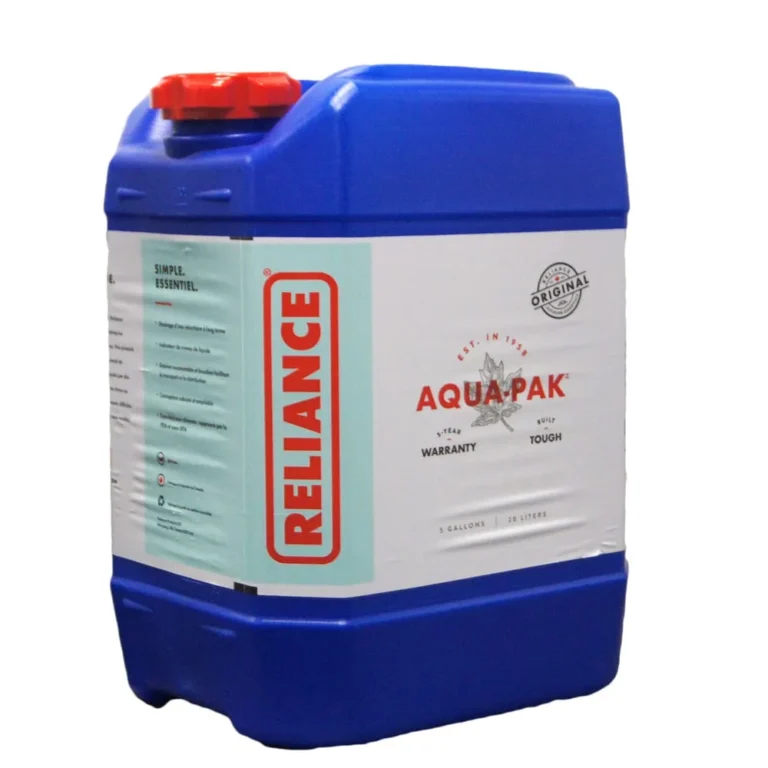
 10% off · WINTER10
Storing household water
In stock
$80.95 USD
Choose options & shopKeep small communication devices charged during an outage. Its 155Wh capacity and 150W output are not a replacement for air conditioning.
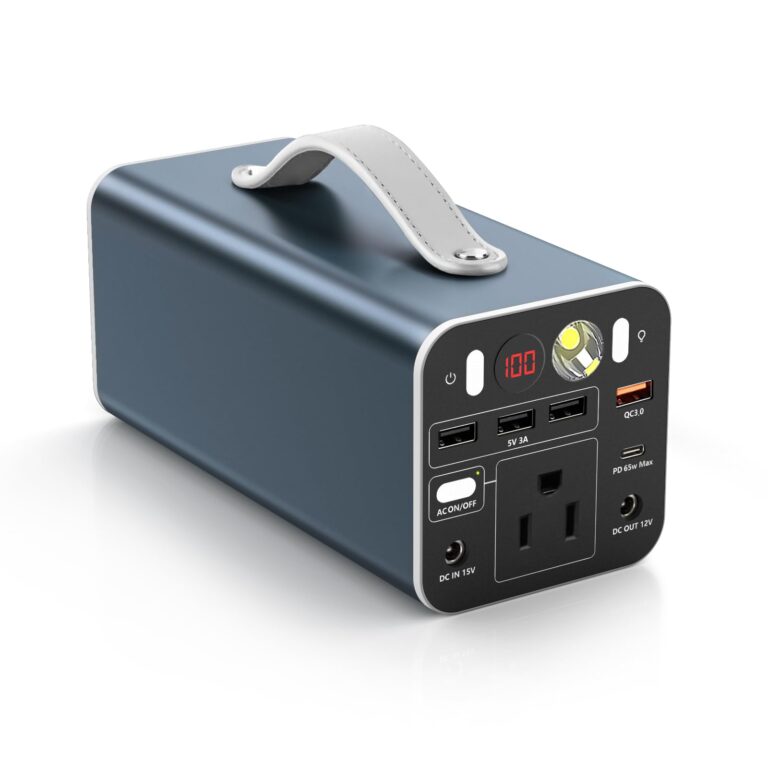

Keep a portable battery reserve for phones, compatible laptops and other small essentials during an outage.
In stock
$179.95 USD
Choose options & shopCheck fridge and freezer temperatures if heat and an outage occur together. Follow official guidance before keeping perishable food.
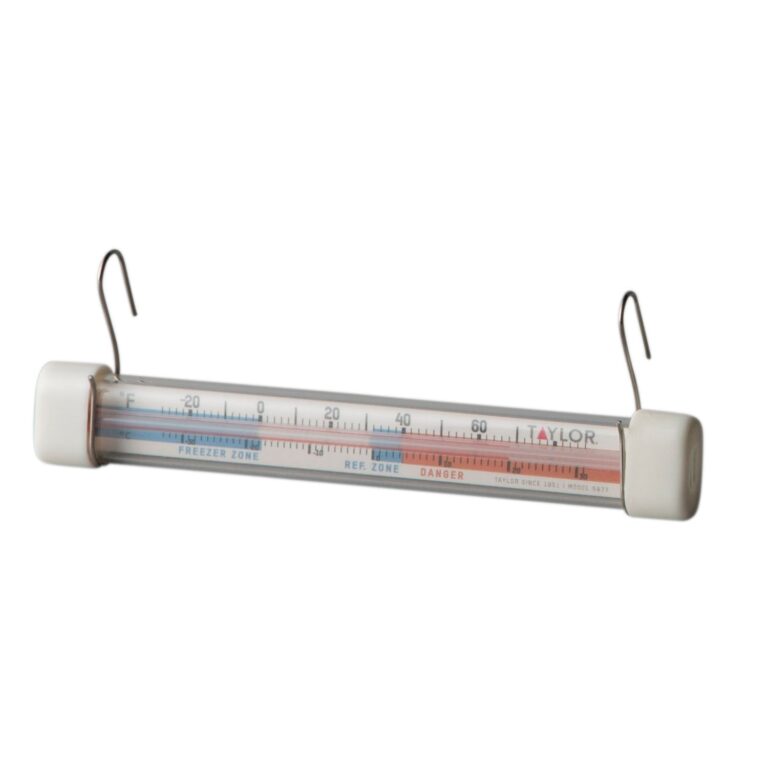

Make checking your refrigerator or freezer temperature part of your household outage plan.
In stock
$17.95 USD
Choose options & shopUse a rechargeable light for hands-free tasks after monsoon outages. Recharge it before storms are expected.
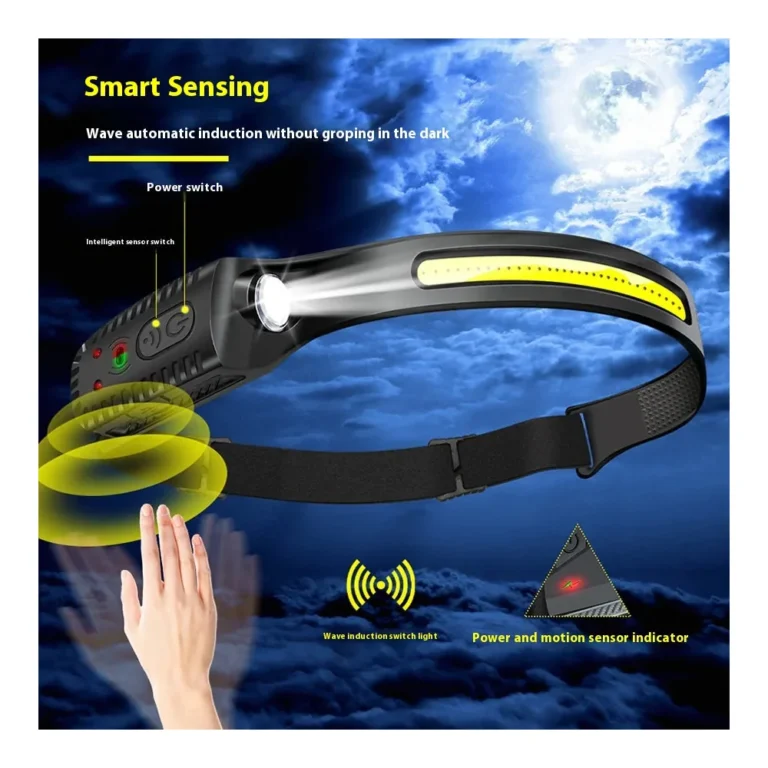
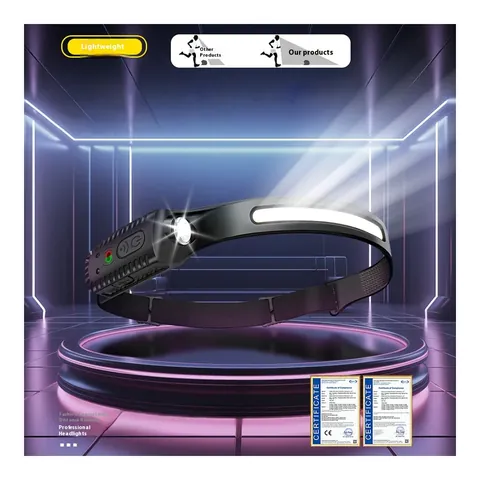 10% off · WINTER10
Keeping your hands free
5.0 (1)In stock
$18.95 USD
Choose options & shopCarry bowls with your pet’s water when moving to a cooler place. Confirm that your chosen destination accepts pets.

 10% off · WINTER10
Serving pet food and water
In stock
$25.95 USD
Choose options & shopKeep food that needs no stove or preparation water if power fails. Check calories, ingredients and dietary needs.

Compact food reserves that need no cooking or preparation water.
In stock
$84.95 USD
Choose options & shopSOURCES AND COVERAGE
Independent Local Prepper guide. Sources reviewed November 2026. City, county, airport, and regional data are labeled separately. No address-level safety assessment or live alert feed is provided.
Phoenix Sky Harbor Airport, station USW00023183; 1991–2020 monthly station averages, not neighborhood measurements · Checked 2026-11-13
Grid near 33.4484, -112.074; January 2001–December 2025 monthly daily irradiation averages · Checked 2026-11-13
National household water-storage guidance; increase amounts for heat, pets and individual needs · Checked 2026-11-13
City emergency resources, monsoon dates and outage contacts · Checked 2026-11-13
City heat-relief sites and linked regional locator; check current hours · Checked 2026-11-13
County RAVE alert enrollment; register places that matter to you · Checked 2026-11-13
Active emergency/evacuation map and Ready, Set, Go meanings · Checked 2026-11-13
Arizona road safety; actions when approaching or caught by blowing dust · Checked 2026-11-13
State road closures and travel conditions; not a guarantee that local streets are passable · Checked 2026-11-13
City links to APS and SRP outage maps · Checked 2026-11-13
Maricopa County 004013; KEC94 at 162.550 MHz; reception varies · Checked 2026-11-13
Sky Harbor observations and regional weather history for 2023 · Checked 2026-11-13
National guidance for flooded roads and moving water · Checked 2026-11-13
Photo: Phoenix skyline Arizona USA.jpg by Bravo1, 2004. Public domain. Display cropped.


