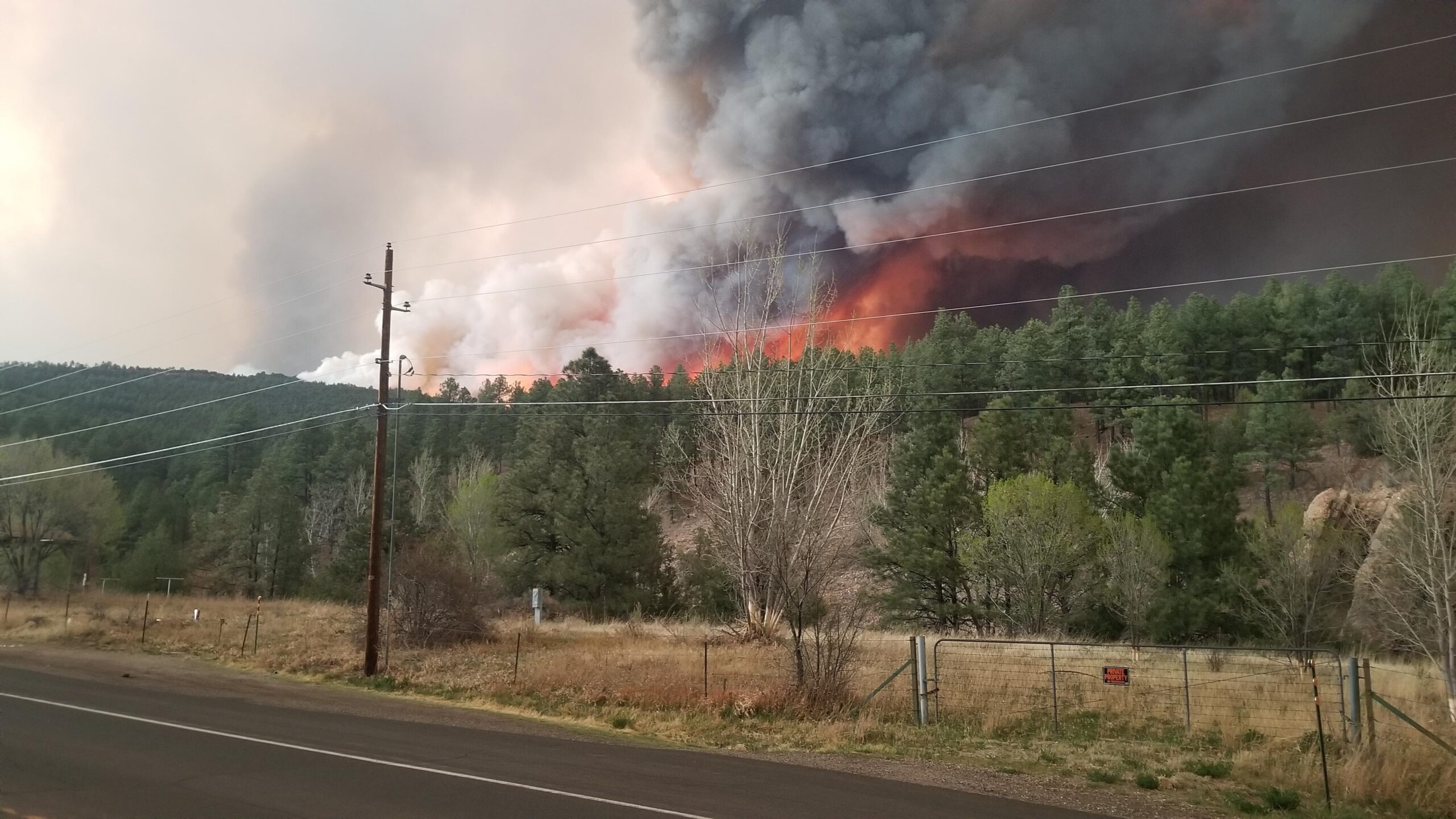
Wildfires can leave the news after they’ve been declared contained, but Las Vegas, New Mexico officials say that after the 2022 Hermits Peak/Calf Canyon fire, they’re still dealing with issues related to getting safe drinking water to residents.
According to a November 13, 2026, Associated Press report, communities across the West are grappling with how to best protect their drinking water sources after devastating wildfires.
There’s no national call for you to stop drinking your tap water as a result of this news. It’s your water utility that knows the particulars of what’s happening with your water system and they’re the ones to contact you with information about whether or not you should take precautions regarding your drinking water.
That said, this is a good time to think about how long utility disruptions can last, even after a disaster has been deemed “over.” In June 2025, for example, Las Vegas officials announced that the City Council voted to partner with the State of New Mexico to help expedite construction of both temporary and permanent water treatment facilities. They cited challenges with getting safe water to residents given their aging water infrastructure damaged by the 2022 wildfire.
You can use this story as a prompt to think about disruptions to your own utilities, even if wildfire isn’t your greatest disaster concern. Can you think of ways to stay flexible if:
- Repairs to your utilities take longer than you expected
- You can’t make it to the next scheduled water distribution site
- Water distribution sites move
You don’t have to worry about the exact length of time you’ll have to wait for your water to be restored, just know that it’s a good idea to have a plan for what to do if that time stretches out. Start by learning more about your water utility and how they communicate with customers in an emergency. Also have an idea for where you’d get your family’s drinking water if you couldn’t get it from your taps.
Wildfires Don’t Have to Burn Your Home to Impact Your Drinking Water
Wildfires don’t have to get close to your home, town, water treatment facility, or water infrastructure to impact your drinking water. According to the Environmental Protection Agency (EPA), wildfires can impact water quality in a variety of ways including flooding, erosion, debris, and movement of potential contaminants. They’ve done research that indicates both surface and groundwater sources used for drinking water can be impacted by wildfires, though impacts will vary from community to community.
All bodies of drinking water come from somewhere, whether that’s groundwater or surface water (lakes, rivers, streams, etc.). The land surrounding the body of water that drains to the lake, river, stream, or other outlet is known as the watershed. What happens on that land can have an impact on the water.
Knowing where your drinking water comes from can help you better understand the potential impact wildfires (and other natural disasters) can have on your water quality and where you should pay attention for potential service disruptions.
Wildfire Impacts Can Last for Years
Wildfires can impact water quality long after the flames have been extinguished. A June 2025 study conducted by University of Colorado Boulder’s Cooperative Institute for Research in Environmental Sciences found nitrogen and sediment impacts can last up to eight years after a wildfire, with turbidity, organic carbon, and phosphorus significantly higher one to five years after a fire. These findings were based on over 100,000 samples collected from more than 500 sites in burned and unburned watersheds in western United States when compared to non-burned watersheds. Impacts varied by watershed and heavy rain events after a wildfire can stir up sediments left behind by the wildfire.
While these findings don’t necessarily mean everyone who lived in these impacted areas had unsafe water to drink for eight years following a wildfire, it does point to potential long-term impacts and the importance of continued monitoring and vigilance after a wildfire.
Wildfires can also impact distribution systems that carry treated drinking water to your home. The EPA has information on dealing with volatile organic compounds that can impact drinking water in distribution systems after a wildfire as well as sampling and treatment options.
Who Can Answer Your Questions?
If you’re concerned about the potential impact a wildfire could have on your drinking water, start by figuring out who’s in charge of answering those questions. Know who your water utility is and where you can find your account number. If your home was damaged by the wildfire, know who’s in charge of checking and making repairs to your home’s water system. Make those calls before you start improvising on cleaning up.
If you’re getting information about wildfires and drinking water from social media or other online forums, remember that just because someone else’s water looks clear, that doesn’t necessarily mean yours is. Just because someone else’s service was quickly restored doesn’t mean that’s going to be the case for you. Take what you’re seeing online as a starting point and list of questions to ask those in charge of your water service.
What Does That Water Advisory Actually Mean?
If you get a water advisory following a wildfire, read the whole advisory and make sure everyone in your home knows what it says. Take a screenshot of the entire advisory (not just the headline) and note the date and time you received it so old advisories don’t get passed around and people act on out-of-date information.
There are three main types of drinking water advisories: boil-water, do-not-drink, and do-not-use. A boil-water advisory means you should boil your water before using it because there may be germs in the water that boiling will kill. A do-not-drink advisory means you shouldn’t drink the water or use it to prepare food and should get water from another source. Do-not-use advisories mean you shouldn’t use the water at all, even for non-consumptive uses.
During an advisory, you shouldn’t use ice or water from appliances connected to the water system including dispensers on refrigerators. If you’re unsure about something (brushing your teeth, taking care of pets, doing the dishes, etc.) give your water provider a call to make sure everyone’s on the same page and acting on the most up-to-date information.
Does Boiling My Water or Using a “Survival” Filter Make it Safe?
Boiling your water is important if there’s microbial contamination and you’ve received a boil-water advisory, but boiling isn’t a panacea for all wildfire-related water concerns. According to the CDC, you can’t boil or chemically disinfect water that’s been contaminated with chemicals (including fuels) and should use bottled or otherwise safe water and contact your local health department for recommendations.
Similarly, don’t assume just because a filter, pitcher, or chemical treatment has “survival” or some other buzzword that it will protect you from all potential contaminants. It’s unlikely that these products would be able to remove all potential chemical contamination and wouldn’t override a do-not-drink or do-not-use advisory.
Take a look at the filters, treatment options, etc. you already have on hand and note what situations they are and are not useful for. It might save you some head-scratching down the road.
The products we recommend below are for storing potable (safe to drink) water and dealing with some everyday water-related needs. They aren’t designed to treat water that’s been contaminated by a wildfire. It’s important to have a place to store safe drinking water, but a storage container isn’t going to magically make unsafe water safe to drink. That’s where planning ahead comes in.
How Much Water Should I Store?
The CDC recommends storing at least one gallon of water per person per day for at least three days (and ideally two weeks) for basic drinking and sanitation needs. That’s six gallons for two people for three days or 12 gallons for four people for three days. For two weeks it’s 56 gallons for four people. You may need more depending on hot weather, pregnancy, illness, pets, etc.
Start with what you’ve got and what’s reasonable given your space and budget. It’s better to have a smaller amount of stored water that you maintain and know where it is than an aspirational list of things you should have stored water in.
Before you buy a container, consider who’s going to be using it. Can that person lift it when it’s full? Carry it to where they need to use the water? Unscrew the cap and pour out the desired amount? Test all of those things out when you have the opportunity.
Shop this section
Store safe water before an interruption.
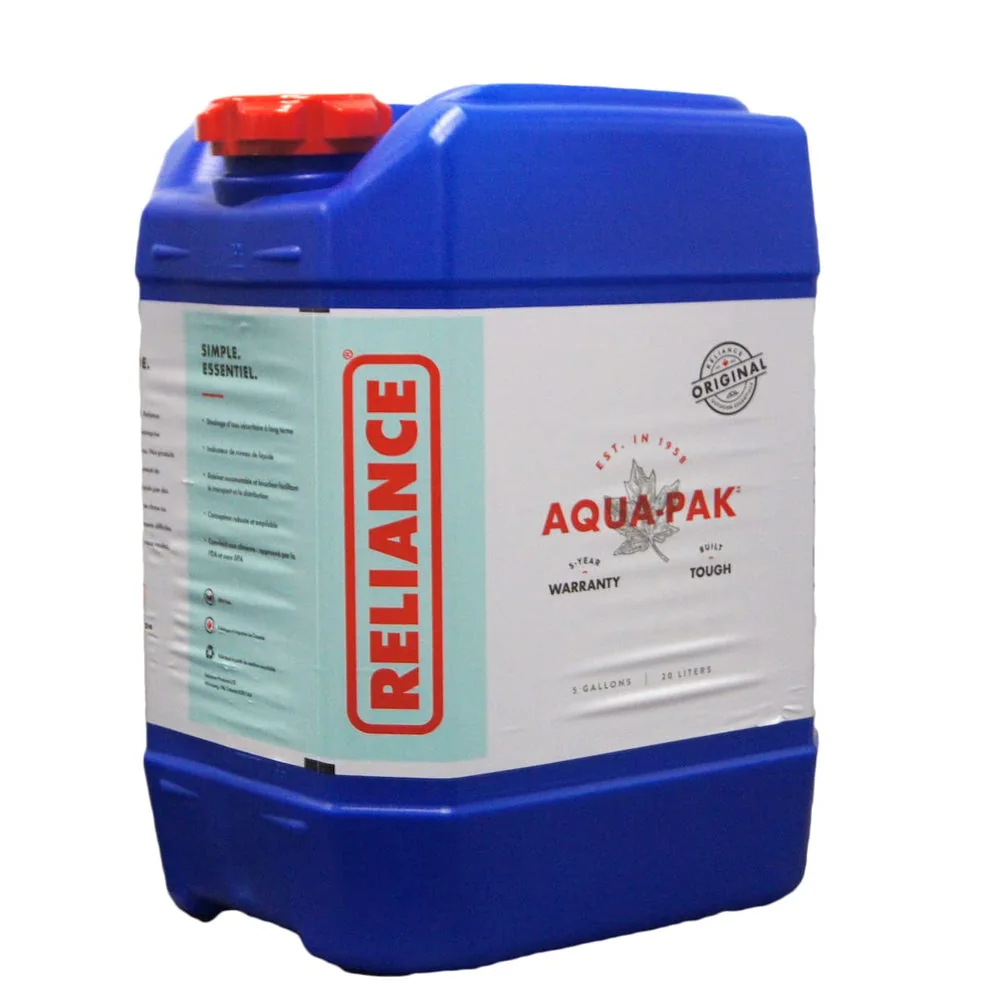
Reliance Aqua-Pak 5-Gallon Water Container
Store part of your safe drinking-water reserve.
View options & current price →
Empty 5-gallon container. Clean and fill as directed. Does not filter or disinfect water.
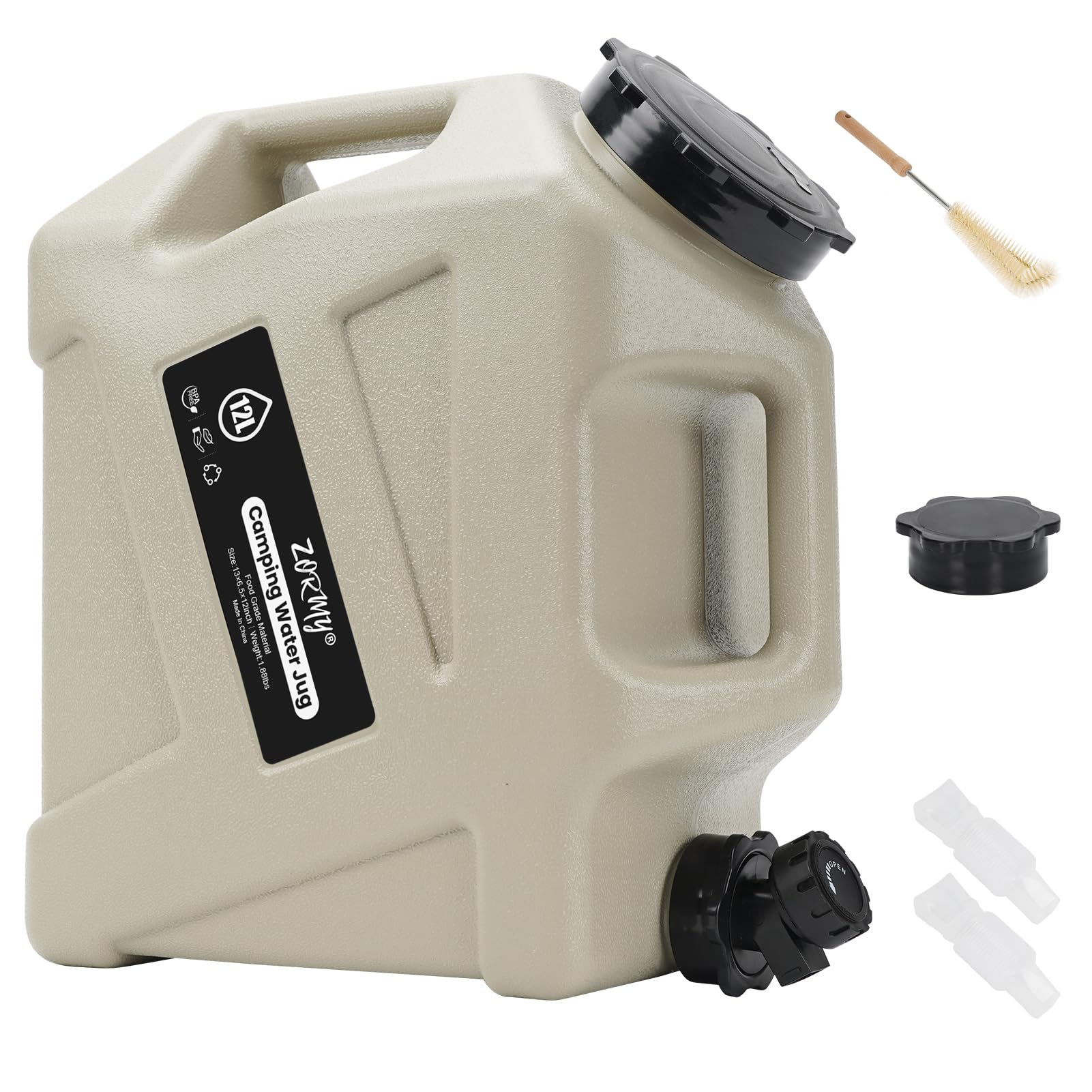
ZORMY Water Container with Spigot — 3.2 Gallons
Dispense a smaller portion of your stored water.
View options & current price →
Empty 3.2-gallon container with spigot and caps. Drinking water is not included; this is not a treatment device.
Products sold separately. Check current price, availability, and specifications on each product page.
How Should I Store My Water?
Use containers designed for water storage and follow directions for cleaning and filling. The CDC recommends that you replace home-filled stored water every six months, follow expiration dates on commercially bottled water, don’t store your water in direct sunlight or near toxic substances, and don’t use containers that previously held toxic substances (think pesticides).
Keep track of what you have (amount of water in the container, when you filled or need to replace the water, where you store it, etc.) so you don’t count containers that aren’t full or forget you stored some water in another room. A piece of paper in your cupboard will do.
Keep in mind who’s going to use the water. If you’ve got multiple storage locations, make sure at least one other adult knows where they are. Smaller containers might be better if you don’t think the primary user will be able to lift larger containers when they’re full.
Make a note in your calendar (one you actually use) to check on your stored water supply. Make sure you’ve got what you think you’ve got, everything’s stored properly, and your goals are still appropriate (new family or household member? pets? change in work schedule?). Make it as easy as possible so you don’t get distracted next week and forget about it.
What if I Need More Water?
Having an emergency water supply will buy you time but won’t necessarily solve your problems. It’s worth thinking about how you’d figure out where you could get more water (distribution sites may be set up), when they’ll be open, and how you’d get there and back with more water.
Don’t stop at “we’ll pick up more water.” Figure out who’s going to do the picking up, if you’ll need a ride from a neighbor, who’s going to help unload it from the trunk and carry it in, etc.
Decide in advance how much water you want to have on hand before you go get more. Take into account the needs of everyone in your household as well as how easy or difficult it would be to get more water.
If you can’t get the water you need to stay healthy and safe, ask for help or relocate somewhere you can get what you need. Don’t let an arbitrary goal (such as we’re going to stay home for X number of days) be the decider.
If someone else is supposed to help, make sure you’re clear on what help entails and how you’ll communicate. Even “you’re getting me a ride?” “no, I’m bringing you water!” mix-ups can happen in emergencies, too.
How can we make do with less water?
Can you imagine what a typical day would be like if you had only the water you set aside for drinking? This isn’t about depriving anyone of water, it’s about figuring out in advance what you can live without and what you need help with. Lay out a typical day’s events from breakfast to bedtime, and identify which ones require safe water.
Which of the foods in your pantry can be eaten without using water for preparation? Which require a lot of dishes afterward? You don’t have to give up all your favorite foods, but it might simplify things if you don’t have to figure out a whole new system for cooking and cleaning up after each meal. Read the directions on prepared foods to see what’s involved before assuming they’re an easy option.
For bathing, stock up on no-rinse personal hygiene products, especially ones that make sense for your family’s needs and any restrictions in the water advisory. Note: These products aren’t a substitute for safe drinking water or proper hand-washing techniques, and wipes should not be flushed. Read the directions on all personal hygiene products before assuming they’re safe for your family to use.
It may also be a good time to pare back on nice-to-have activities that involve water use, so you’ll have plenty of time for the necessities. Decide where dirty dishes and other items will go, and make sure everyone’s clear on the plan. It won’t fix the problem at the treatment plant, but it might keep things from getting too overwhelming at home.
Shop this section
Make everyday cleanup easier.
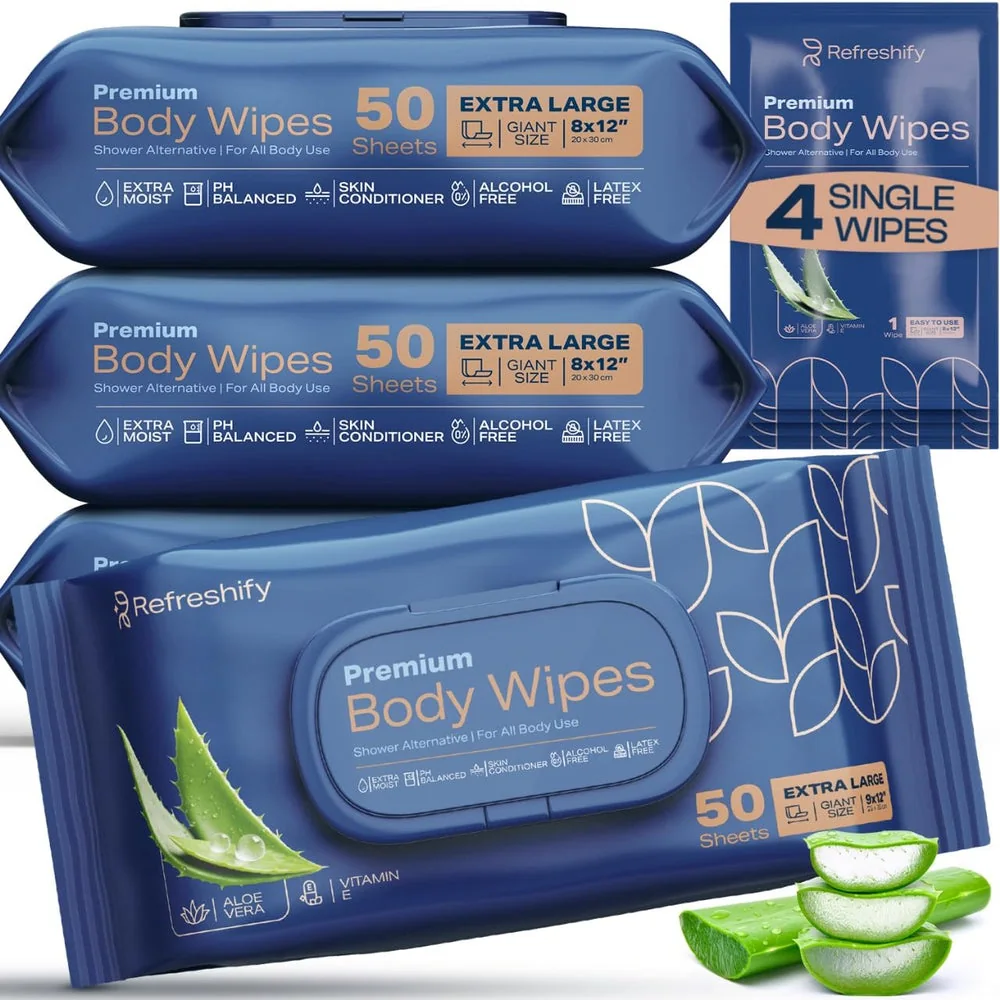
Refreshify No-Rinse Body Wipes — 200 Count
Personal cleanup when normal showers are unavailable.
View options & current price →
Four packs of 50 wipes, 200 total. Do not flush. Body wipes do not disinfect surfaces or replace appropriate hand hygiene.
Products sold separately. Check current price, availability, and specifications on each product page.
How can I stay informed?
Make sure you’ve got the name of your water utility, customer service number, emergency contact number, and website (along with your local emergency management agency and health department) jotted down somewhere safe with important family documents. Most water utilities publish a report once a year about the quality of the water they deliver (called a Consumer Confidence Report or CCR) that will tell you where your water comes from. EPA has a page with more information about these reports and ways your water utility may let you know about water quality issues.
Have a way of getting this information that doesn’t rely on internet access at home (print it out or download it on a cell phone, etc.), and label it as such so you don’t mistakenly think it’s current information if something happened today (for example, a printed-out CCR isn’t going to tell you if there’s a new boil-water advisory in effect). Use this info to figure out how else you can get up-to-date information.
It can be helpful to have one person in charge of staying informed during an emergency (this person does not have to be the same person every time). This can help avoid situations where different people in the family are getting (and acting on) different pieces of information. If possible, share the actual communication you’re getting information from (paying particular attention to when the information was sent out, who it’s from, and who it applies to).
Keep a log of important updates (changes to restrictions, distribution sites being set up, when normal service is expected to return, etc.). This could be as simple as a few pages in a notebook. It’s helpful during emergencies to be able to double-check things instead of relying on possibly faulty memories of what you think someone said a while back. Especially when you’ve been going for a few days or weeks without a break, being able to double-check things can be a real help.
What if I have a private well?
If you get your water from a private well, recommendations given for a nearby city’s system may not apply to you. After a wildfire, Oregon State University Extension advises homeowners to assess damage to well components, test their well water (using a certified lab), and seek further guidance. Even if the water looks, smells, and tastes normal, it may not be safe to drink.
If you’re returning to your home after being away, follow any recommendations from your water provider or local agencies before using your home’s plumbing and appliances, especially if there was fire damage or other potential contamination. Resist the temptation to do your own version of what you think someone else did to get their system going again.
Depending on the situation, EPA notes that some water utilities may advise customers to flush their plumbing and appliances if their water has been contaminated. Ask your provider for specific recommendations rather than relying on a one-size-fits-all list you found online because every situation and every home is different!
Keep notes of who you talked to and when, any testing or repairs that were done, and any outstanding items. This will help other people in your household understand what’s been accomplished and what still needs to be done, which is especially helpful if you’re the only one who was present for conversations with your water provider.
Five things to do this week
- Find out who provides drinking water to your home and where that water comes from. Find out who to call with questions or concerns, and make sure you’ve got that information in at least two places, with at least one of which can be accessed without internet. If you get your water from a private well, figure out who your go-to resource will be (usually a local environmental or health department).
- Figure out how much water you currently have stored for drinking. Do the math on paper using your family’s needs as a starting point, and make a plan for what else you might do to boost your supply (big or small, it doesn’t have to be complicated to be helpful).
- Double-check that your stored water is accessible and usable. Make sure you’ve got water in a container you can use (check the directions!), practice opening and pouring from the container, and label everything. If it’s difficult for you to get to now, it’ll only be harder when you’re stressed!
- Figure out who you’d ask for help if you needed a refill, and jot down that information in plain language someone else could understand. Think about what situations might require you to get out of town, and where you’d go.
- Look at an example of a water advisory and make sure you know where to find yours. Make sure you understand what “boil water” and “do not use” advisories mean, and remember that not all national news stories apply to your home!
Takeaways
While the initial scenes of a wildfire grab our attention, the aftermath, particularly when it comes to getting safe drinking water, can be drawn out and complicated. Instead of imagining what your one bad day would look like, try to envision the entire arc of a water emergency and how you’d cope at various stages.
You can’t know what kind of water emergency you’ll face, but there are some things you can do to make things easier no matter what happens: store an accessible supply of drinking water, figure out how to get more if you need it, and familiarize yourself with instructions you might receive so you know what to do. Take baby steps if you need to, and check in from time to time to make sure your plan still works. And when the time comes to act, lean on trusted sources of information to help you make the best decisions you can.
Sources and further reading
- Associated Press: wildfire impacts on U.S. water supplies, November 13, 2026
- City of Las Vegas: state partnership for water-treatment recovery, June 25, 2025
- CU Boulder / CIRES: post-wildfire water-quality research, June 23, 2025
- EPA: wildfires and water-quality research
- EPA: wildfire resilience for water utilities
- CDC: drinking-water advisories
- CDC: making water safe during an emergency
- CDC: creating and storing emergency water
- EPA: customer questions about water contamination and recovery
- Oregon State University Extension: drinking-water safety after wildfire
Featured photo: Will Harris / InciWeb, via Wikimedia Commons. The Hermits Peak/Calf Canyon fire near Highway 518, New Mexico, April 29, 2022. Archival photograph; public domain.

 How to Stay Warm When The Power Goes Out ↗
 Power Outage Food List: 30 Foods and Drinks to Stock ↗
