
Your clothes, bedding, doors, windows, and more can help keep the heat in when the power goes out. Here’s what to do to stay warm and safe.
The furnace cuts off mid-cycle. The refrigerator stops humming. The power’s out.
It may still be cozy inside for a bit — use that time wisely.
Put on a layer (or two); Collect blankets and sleeping bags; Pick a room to hunker down in; Think about who might need extra help staying warm; Make a plan for getting somewhere warmer if needed.
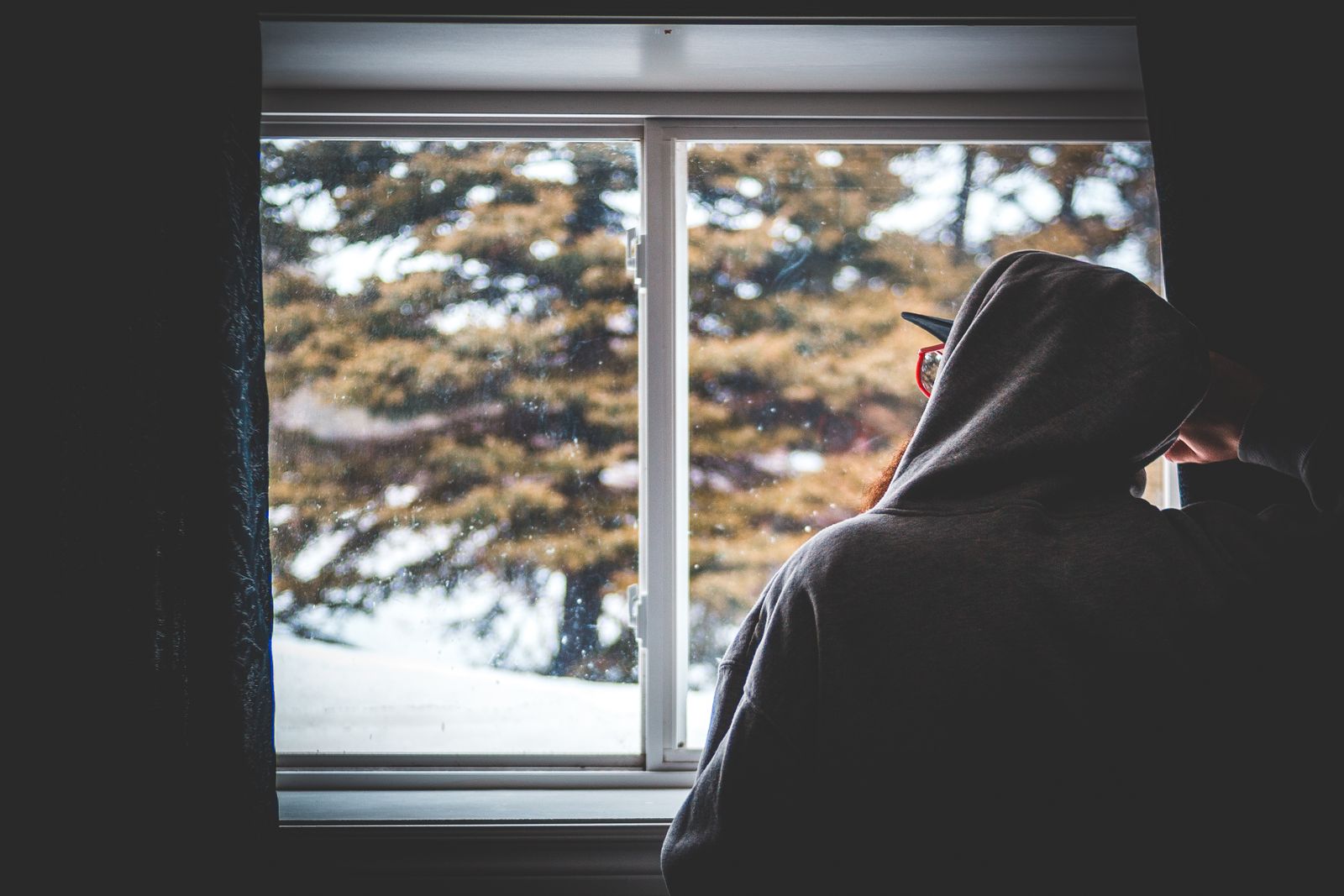
The leaves may still be rustling outside, but that pleasant indoor temp you were enjoying isn’t guaranteed to stick around.
Don’t wait until you’re chilly to put on an extra layer. You’re more likely to skimp on clothing if you feel fine when the power cuts out. Odds are, you’ll be refreshing the power outage map in a T-shirt, thinking, It should be back on soon.
Chances are, it will be. But until then, that indoor temp will continue to creep down. Dress for where you’re headed, not where you’ve been.
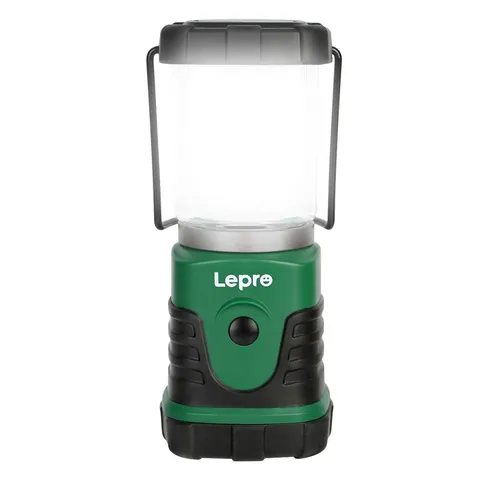
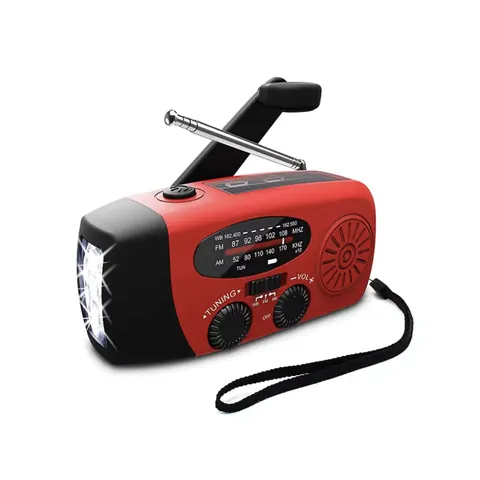
Set out flashlights or lanterns. Clear a path to the bathroom and out of the house (i.e., move that blanket fort you set up on the living room floor out of the way of foot traffic). Resist the temptation to light candles, particularly if little ones (of any species) will be crawling around.
Call to report the outage, then check the weather and power restoration info. If the power company tells you to expect service back within two hours, plan as if it’ll be dark till morning. Restoration estimates are just that — estimates. Power lines may be down. Icy conditions may be worsening. Repair crews may discover more damage than first expected.
Have a backup plan if someone in your home uses medical equipment that requires electricity. Know whom to call (the medical equipment company, your doctor, 911, etc.) and act without delay if a situation arises — don’t wait until batteries are running low. A warm home is nice; a warm home with working medical equipment is even nicer.
Let someone know the power’s out, if your home is staying warm, and when you’ll be in touch again. Talk through what they should do if they can’t reach you. Jot down important phone numbers while your cell phone still has juice. It’s easier for everyone if you have a simple plan instead of a bunch of people repeatedly calling your cell phone, draining what little battery you’ve got left.
Curl Up in One Room
There’s a reason they don’t drape quilts all over the rafters in warehouses — it’s near impossible to keep one small section of a big space nice and toasty. Same goes for your home, so pick one room to hunker down in tonight. Ideally it’ll be one with easy access to the bathroom and an exit in case of emergency. Close doors to rooms you’re not using (unless doing so interferes with your home heating system’s operation or ventilation requirements).
Which room to choose? That depends on your particular dwelling. A small bedroom with a sturdy door might hold heat better than a bay-window-lined living room. A room on the inside of the house may be less drafty. An upstairs room might initially be warmer, but you probably don’t want to have to negotiate stairs if you or someone in your home has limited mobility. Keep everyone’s particular needs in mind — where will folks sleep? Does anyone have mobility issues that make certain pieces of furniture (e.g., firm-backed chairs, walkers) critical?
Close up curtains as evening approaches. The U.S. Department of Energy suggests opening curtains on sunny windows during the day and closing them if temperatures begin to fall, which is sound advice if you want to wring every possible degree out of the sunshine. But don’t count on basking in rays during a power outage in the middle of a snowstorm.
Block drafts with a rolled-up towel propped against the bottom of a door. Consider picking up some adhesive-backed draft stoppers for future power outages. Make sure they’re the right size and follow directions (i.e., don’t block vents or combustion air intakes and make sure doors still open and close properly).
If possible, don’t sleep right next to a window or door. Stockpile extra blankets, drinking water, medications, a garbage bag, and entertainment in case you’re stuck indoors for a while. The fewer times someone has to brave the chilly great beyond, the better.
Keep in mind that hunkering down in one room is merely a stopgap measure — your house can continue to cool. Keep an eye on the temperature by stashing a thermometer in your refuge (not right next to a window or heat source, or it won’t be all that helpful). Also monitor people. Numbers on thermometers can’t tell you if folks are OK.
Related supply
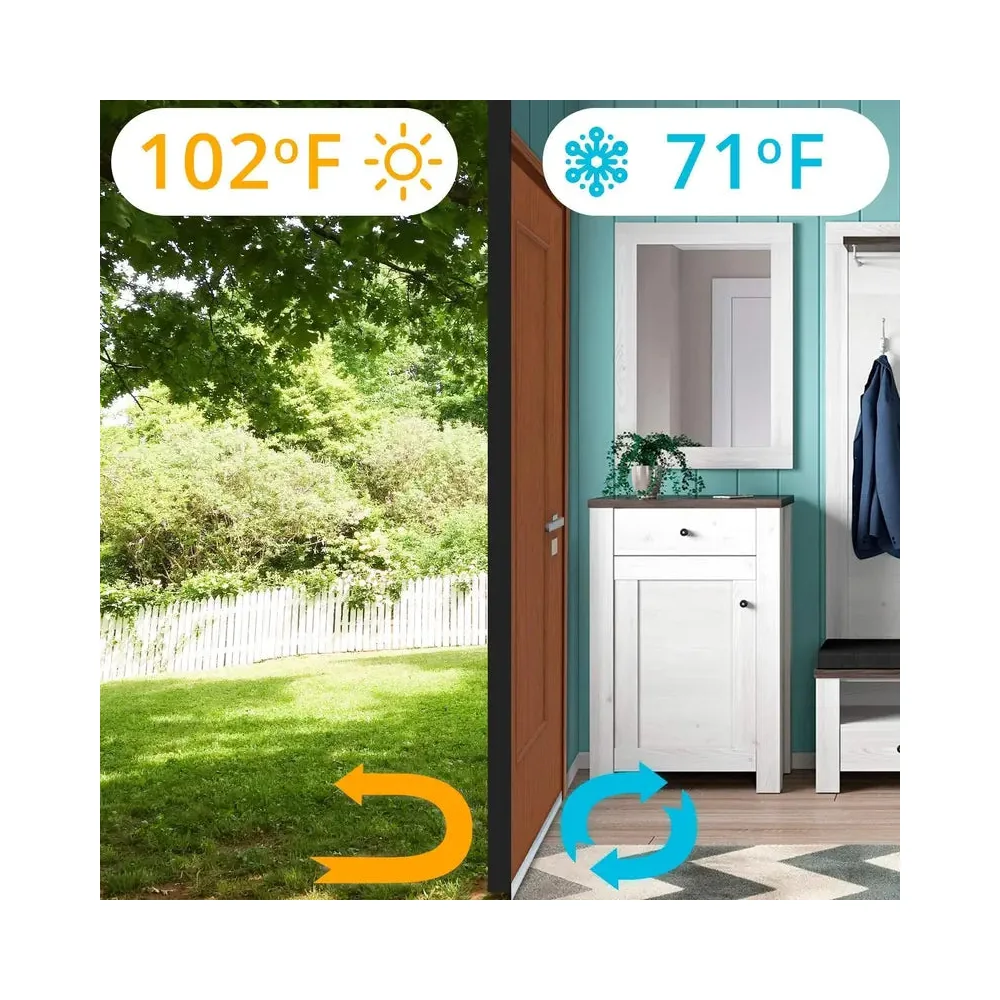
Adhesive Door Draft Sweeps — 2 Pack
Reduce ordinary gaps beneath compatible doors.
Two adhesive rubber sweeps, approximately 37 × 1.8 inches each. Measure first; keep ventilation and exits clear.
Bundling Up
Layers are the way to go for staying warm indoors during a power outage. Long underwear, a sweater or other insulating layer, and an outer layer will afford you more control than one big puffy coat that doesn’t cover your neck or legs. If your clothes get wet, change them out — don’t rely on your body heat to dry them out.
Layering means wearing more than one layer of clothing.
There’s no need to go buy a whole set of thermal underwear just to get through tonight. But dry long-sleeved shirts, pants, sweaters or fleece jackets, and coats can be layered for warmth. Synthetic materials and wool provide better insulation than cotton if they get damp.
Go ahead and put on a hat and gloves if you want — it’s chilly in there! Just be sure they’re not so tight that they restrict circulation. Same goes for shoes. Layered socks can make your toes cold if your shoes are too tight, so go for the cosiest pair of togs you own.
Make sure kids and adults are dressed appropriately and can adjust their layers as needed. And don’t pile babies and young children down with blankets — they need special precautions to keep them cozy and safe.
Keep in mind that staying warm and active are sometimes at odds with each other. The National Weather Service notes that wearing loose-fitting layers of clothing helps you stay warm when it’s chilly outside. But of course you don’t want to wear so many layers that you start breaking out in a sweat, since wet clothes will leave you even colder once you’re inactive again. Keep excursions brief and businesslike — and change your gloves and socks if they get damp.
Related supply
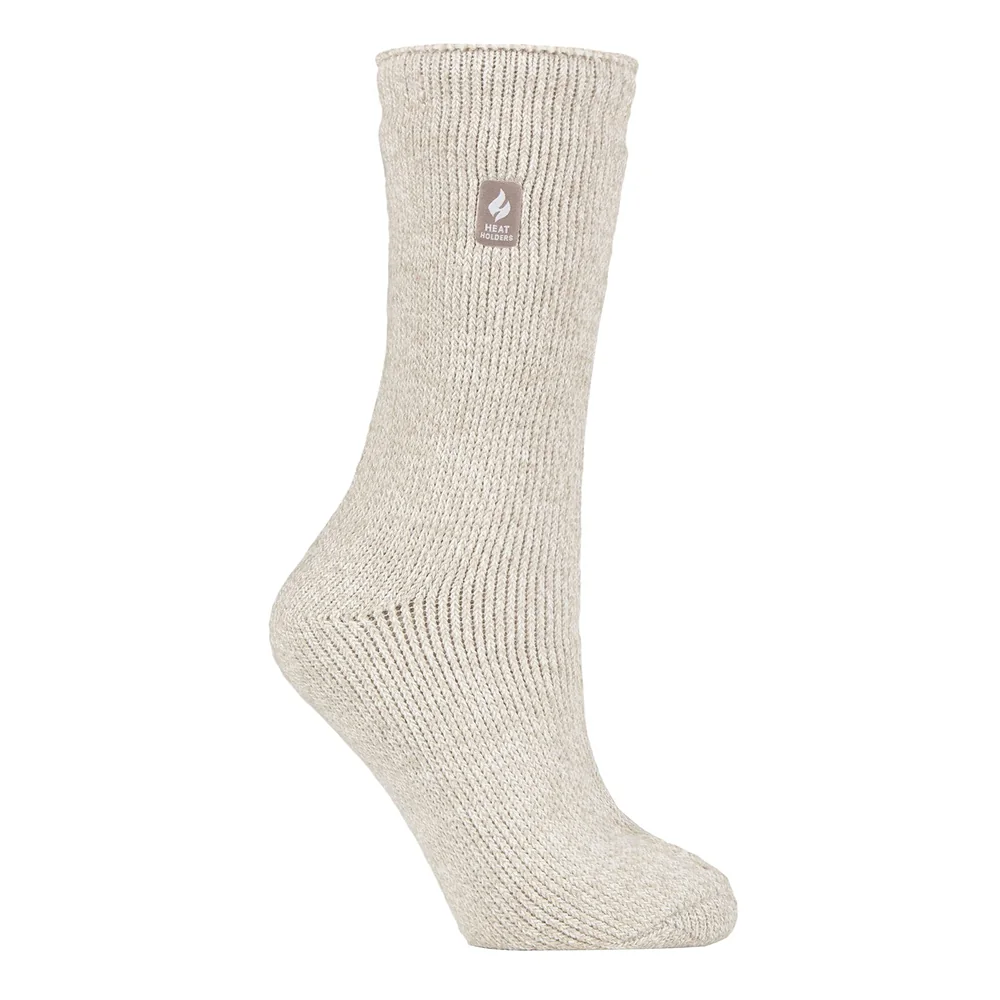
Heat Holders Women’s Thermal Socks
A dry, warm layer for sitting through a cool evening.
Women’s socks in Oat. Check the listed size and fit; keep a spare dry pair available.
Making Camp for the Night
When darkness falls — or your flashlight batteries die — it’s nice to have your sleeping bag or blankets all set up and ready to go. So get those projects knocked out while there’s still daylight or power for your lamps. Make sure everyone has their own space where they can get up in the middle of the night without waking everyone else up. And keep shoes, a flashlight, and a spare layer of dry clothing nearby.
If you have one, a sleeping bag works great for an indoor power outage. If you don’t have one, blankets should do the trick. But be sure to insulate yourself from the floor, since it sucks the heat right out of you. If you’re sleeping on the floor, it’s worth it to splurge on a sleeping pad to insulate you from the cold floor.
Be mindful of sleeping bag ratings. A summer bag may not keep you toasty in a chilly home. And everyone sleeps differently — if it’s not working, don’t argue with reality. Change it up!
Some suggestions for surviving a winter storm power outage include pitching a tent indoors to retain body heat. This might work to block drafts, but it won’t generate heat, and it won’t make an unsafe situation safe. It may also interfere with being able to monitor your family members or get out of the room in a hurry. If you are going to pitch a tent indoors, please don’t use a heat source inside the tent such as a candle, stove, or other fuel burning heating device.
For babies, follow the National Institutes of Health’s Safe to Sleep guidelines even during a power outage. Babies should always sleep on their backs, on a firm and flat surface that’s been tested and approved for infant sleep, with a fitted sheet and nothing else in the sleeping area. Dress babies for sleep in an appropriate layer of clothing or in a wearable blanket that fits snugly. Make sure babies aren’t overheating, and keep their heads uncovered. Never let babies sleep with adults on couches or in beds or inside sleeping bags. If you’re concerned that your baby may not stay warm enough in your power-outage situation, it’s time to find another, warmer place to stay.
Remember, it’s okay to ask for help. If the situation at home isn’t safe or you’re just plain struggling to cope, it’s time to find somewhere else to ride out the storm.
Stay Warm with a Hot Beverage
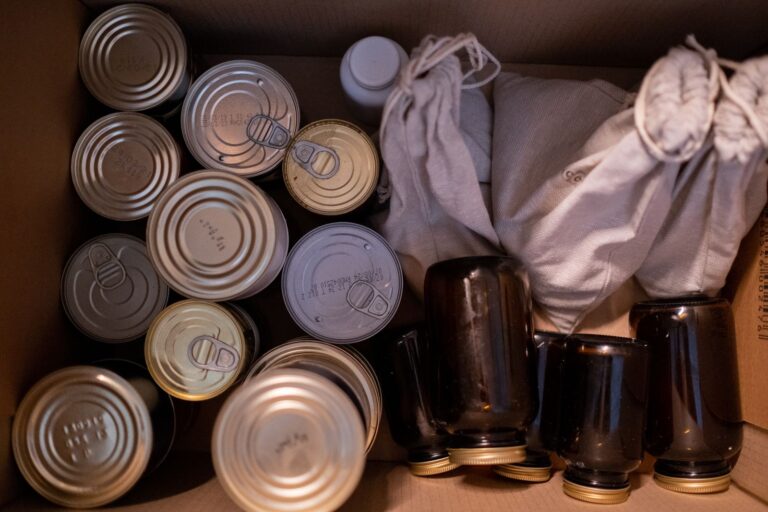
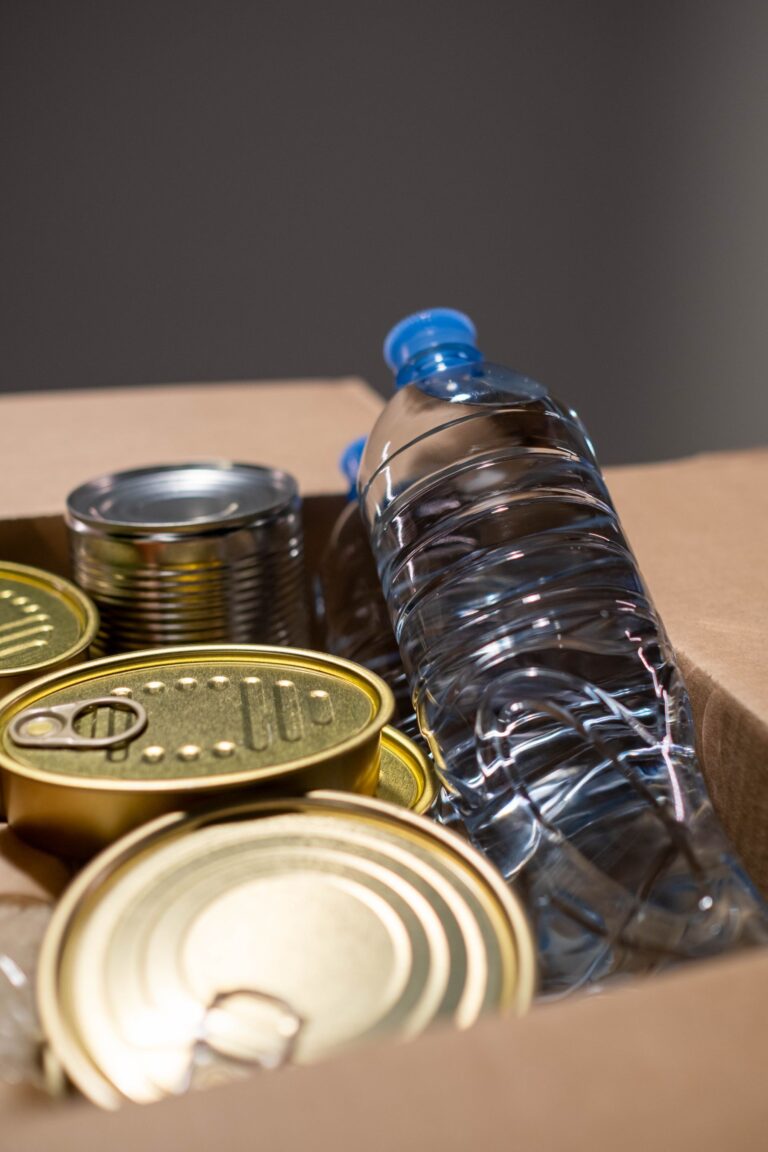
It’s a good idea to have easy snacks and nonperishable foods you can eat without cooking on hand for a power outage situation. You may find that you’re too busy taking care of everyone else’s needs to stop and figure out dinner. Having some go-to emergency meals that are easy to prepare, and preferably involve no cooking at all, can help. You can keep these in an emergency pantry.
You may be tempted to use your camp stove, charcoal grill, or barbecue indoors to make a cup of tea. Please don’t do that! Not inside, in the basement, in an enclosed porch, or in the garage. Cracking open a window doesn’t make it safe. Don’t die of carbon monoxide poisoning because you were craving a hot cup of tea.
Having a hot drink can help comfort everyone during a power outage, if you have a safe way to make hot drinks. This is a great time to use that thermos you filled up before the power went out. (Be sure to keep it out of children’s reach and away from table edges in case someone bumps into it.) If you don’t have a safe way to heat up beverages, just have everyone drink plenty of room temperature beverages.
Alcohol gives people a false sense of warmth and can cloud your judgment about what’s going on with you and others during the power outage. Better to wait until you’re back to normal before popping the cork on that bottle of wine.
Staying alert and aware is more important than pretending everything’s okay during a power outage. Especially if you’re taking care of other people.
For more tips on what to stock in your emergency food pantry, see our article on Local Prepper about how to survive seven days without power.

Hand Warmers and Hot Water Bottles
A battery-operated hand warmer can be a nice comfort item for an alert, responsible adult. Be sure to read and follow the manufacturer’s instructions. Make sure yours is charged up before a storm hits, and check to see if it’s okay to leave it on overnight. Some models aren’t. Be sure to check your skin periodically to make sure it’s not overheating.
If someone has circulation or sensation problems, or just isn’t going to be able to tell you that their hand is too hot, be sure to check on them regularly. Never place one on or next to an infant, and don’t tuck it in with them.
These are not going to keep your home warm. They’re best used to add some extra heat when you’ve bundled up in warm clothes and blankets.
If you have a way to safely heat water and you have a hot water bottle designed for this purpose, go for it. Follow the manufacturer’s instructions on how much water to use and how hot it can be (some aren’t supposed to be used with boiling water). Don’t use a bottle you got from a vending machine. If you’re not sure it’s safe, don’t do it.
Don’t let this fool you into thinking you can run your space heater off your backup power station. Some can provide enough juice to recharge a phone several times. That is not going to run a space heater for very long.
Here’s a simple example. Let’s say you had a 1,000-watt-hour power station and you wanted to run a 1,500-watt space heater off it. (Again, check your manufacturer’s specs to make sure it can run that much power.) In theory, you could run it for about 40 minutes. In reality, you’d get less. But you get the idea. Your mileage may vary depending on many factors, including how cold it is outside, the usable capacity of your power station, and so on.
Don’t assume you can power your space heater with a backup power source. Check with your manufacturer first. Save your backup power for things like powering medical equipment (if you have a plan for doing so), lighting, and staying in touch with family and emergency services.
We see DIY candle-and-flowerpot heaters all the time. Don’t do this. It’s a fire hazard and can burn people.
Use LED or battery-operated lights, bundle up, and head for a warming center if you need more heat. Just because someone made a video showing how they did it doesn’t mean it’s safe to try at home.
Related supply
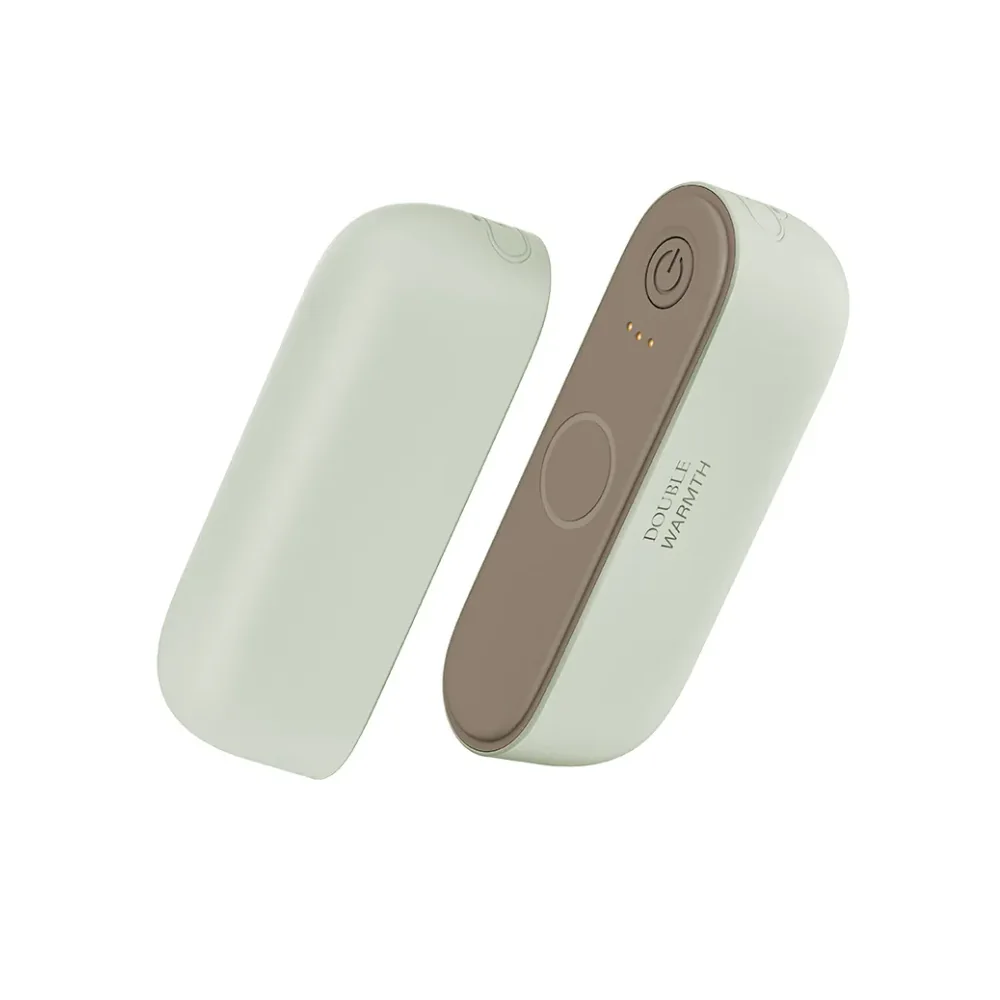
Rechargeable Magnetic Hand Warmers
Portable comfort for hands when used as directed.
Includes two heating pads, a charging cable, and instructions. Charge ahead and follow skin-contact precautions.
Space heaters and backup generators
If you have a wood stove or fireplace, make sure it’s been professionally installed and is in working order before you count on using it during a power outage. Be sure to read and follow the manufacturer’s instructions, including on how to maintain it. Some fireplaces and stoves require electricity to operate and may not be an option during a power outage.
Never use a gas stove or oven to heat your home. Never bring any outdoor, fuel-burning appliance inside.
If you use a generator during a power outage, make sure it’s operating outside and at least 20 feet from your home, and away from your neighbor’s home too, with the exhaust pointing away from doors, windows, and vent openings. Never operate a generator inside a home—even if it’s a home with an attached garage—even if the garage door is open. Follow the manufacturer’s instructions on how to safely operate and shelter your generator during bad weather. Never connect it directly to an outlet to power your home.
Carbon monoxide poisoning from improperly vented fuel-burning appliances and generators is common during winter storms and power outages. Poisoning can sneak up on you and symptoms can be easily confused with other illnesses. Get your home equipped with properly installed smoke and carbon monoxide alarms with battery backup to help keep your family safe during outages.
If you suspect carbon monoxide poisoning or your alarm goes off, get everyone (including pets) out of the home right away and call 911 from a neighbor’s home or another safe location outside. Don’t hang around trying to figure out what’s going on. Wait for first responders to clear you to go back inside.
If you’re using an electric space heater when power is restored, follow the manufacturer’s instructions. Make sure it’s at least three feet away from anything that could catch fire, like bedding and curtains. Plug it directly into an outlet and turn it off when you leave the room or go to sleep.
During power outages, the Consumer Product Safety Commission (CPSC) reminds us to be especially careful with space heaters and other ways of generating heat during the winter.
Cold-related injuries and illnesses
Cold-related injuries and illnesses during power outages are no joke, especially for older adults, people with certain medical conditions or who take certain medications, and people who can’t get around very well.
An older adult living in a home that’s 60 to 65 degrees Fahrenheit may be at risk for hypothermia, warns the National Institute on Aging.
Symptoms of hypothermia in adults can include shivering, fatigue, confusion, clumsiness, slurred speech, and drowsiness. Symptoms in infants can include a case of unusually red skin, cold to the touch, and little energy. If you think someone is developing hypothermia, get immediate medical help by calling 911. Until help arrives, follow the dispatcher’s instructions. If you can safely do so, move the person to a warm environment, take off any wet clothing, and wrap them in blankets or other dry insulation. Handle them gently. Don’t rub their arms or legs, use very hot sources to warm them up, or give them anything containing alcohol. If they’re drowsy or otherwise unable to swallow, don’t give them anything to eat or drink.
Check in on your neighbors during a power outage, if it’s safe to do so. You might just need to give them a call. Talking to them can let you know if they’re having problems keeping warm, or don’t know how to operate their backup heating source. If so, help them find assistance or check back in with them later. Just be careful about heading out into icy roads or near power lines, if at all, to check on them.
When checking in on your older neighbors and relatives, ask specific questions about whether they’ve changed into dry socks, had anything to eat, or are acting differently than usual. Offer to help get them more blankets or dry clothes. These steps may be difficult for people who have a hard time getting around. Make sure their caregivers have a way to get in touch with them during an outage.
When to leave your home during a power outage
If you’re having problems staying warm, consider relocating to a friend’s or neighbor’s place, warming center or other building where you’ll have reliable heat. But make sure the place is open and will allow you to stay there. You may need to plan ahead to figure out if they have limited hours of operation, whether or not they’re accessible, if they’ll allow pets, etc. Those warming centers mentioned in that random social media post from last year might not be open during this outage.
You can also consider leaving if you have vulnerable members of your household (especially if temperatures continue to drop), if your home isn’t staying warm enough for their medical needs, or if local officials tell you to.
Keep an eye on local officials’ recommendations about leaving your home, as well as updates about road conditions. If you wait until midnight to decide to leave, you could have fewer options than if you had left at, say, 5 p.m. But don’t put yourself at risk by driving in dangerous road conditions. If you need assistance leaving your home, consider contacting local emergency management or other emergency services (depending on the urgency of the situation). Be prepared to explain how many people need to be evacuated, and whether anyone has medical needs or a hard time getting around.
If you do decide to leave, make sure to bring:
medications and medical equipment; identification; cell phones (and other communication devices) that are charged; extra layers of warm clothing; supplies to safely transport infants; pets (if possible).
Don’t spend so much time gathering up stuff that you put off leaving an unsafe situation.
How long can you safely stay in your home during a power outage? There is no one-size-fits-all answer, because it depends on your home, the weather outside, wind speed, insulation, who’s inside, and more.
Preparing for your next power outage
After your power’s been restored, jot down some notes to help you next time. Which room was the easiest to keep warm? Where did the cold drafts seep in? Did you have trouble finding flashlights? Were you able to stay dry with the blankets you had? Replace dead batteries. Recharge your devices.
Other things to consider doing:
Seal drafty doors; Keep emergency contacts on paper; Practice your backup plans; Keep dry socks with your extra blankets; Test your alarms; Move supplies that were hard to get to an easier-to-access spot.
There’s no reason your plan needs to be complicated. The best plan is one that’s reliable, not too complicated, and everyone in your household understands.
When the power goes out and that furnace stops humming, it helps to know what to do next. Bundle up in dry clothes, huddle together, seal up drafts, and stay on top of what’s going on. Staying warm is not just about your surroundings, it is also about taking the next smart step before you have to.
Sources and further reading
American Heart Association and Red Cross: First aid guidance
Red Cross: Winter storm preparedness
Featured photo: Mikhail Nilov / Pexels. Used under the Pexels License.

 Power Outage Food List: 30 Foods and Drinks to Stock ↗
 15 Items People Regret Not Having After a Storm ↗