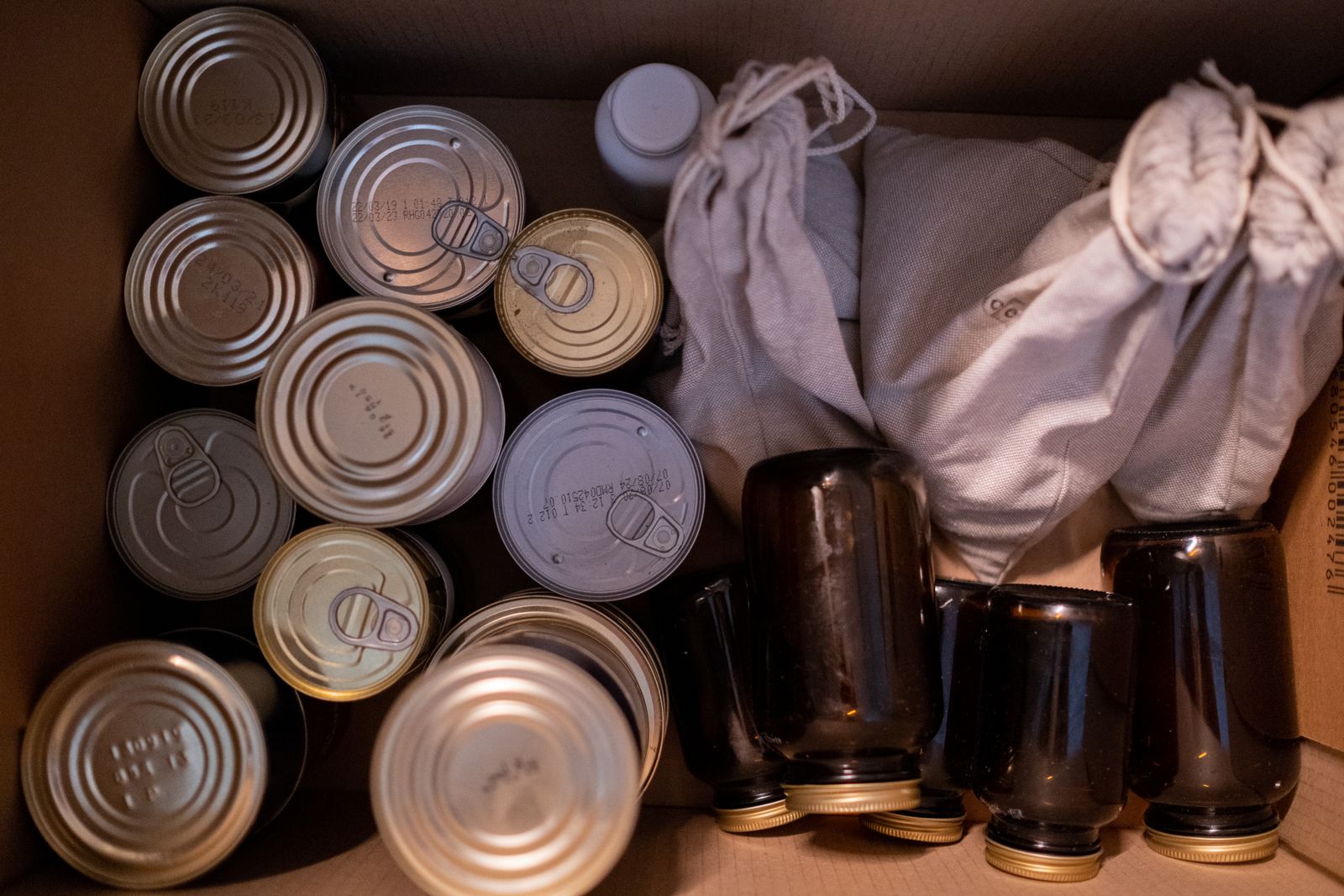
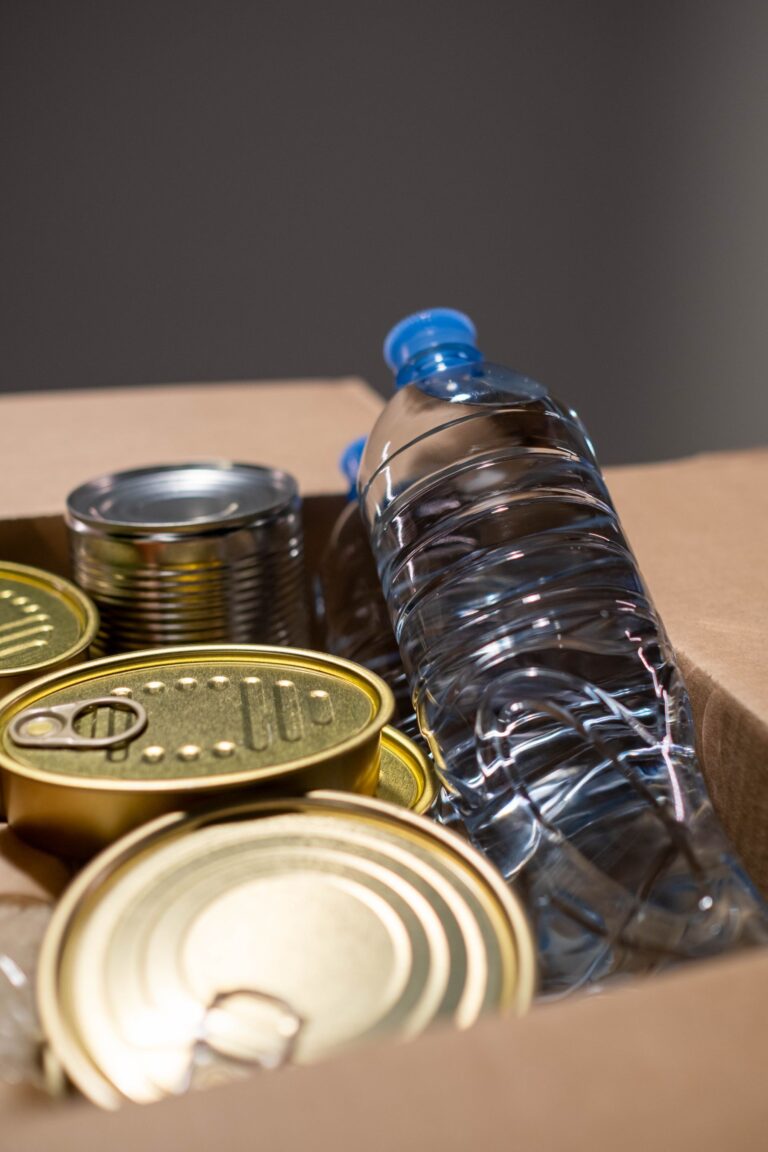
Food images below illustrate each category; packaging and storage requirements vary.
When the power goes out, the last thing you want to deal with is trying to come up with dinner ideas that don’t involve the stove (or your refrigerator, which is slowly reaching room temperature). That’s where a well-stocked power outage pantry comes in.
There are a few tweaks I’d make to this list (some of the listed items have to be refrigerated or cooked or require access to water). And while you can probably get by with just the items listed here, I’d highly recommend having some sort of complete meals on hand in case of an emergency, and you’ll be much happier eating food you enjoy over a bunch of random items.
A few notes before you hit the grocery store
“Shelf-stable” only refers to the product in its unopened package (and according to its packaging). It doesn’t necessarily mean you can safely leave the product out after opening. When in doubt, buy single-serving sizes you can safely eat in one sitting.
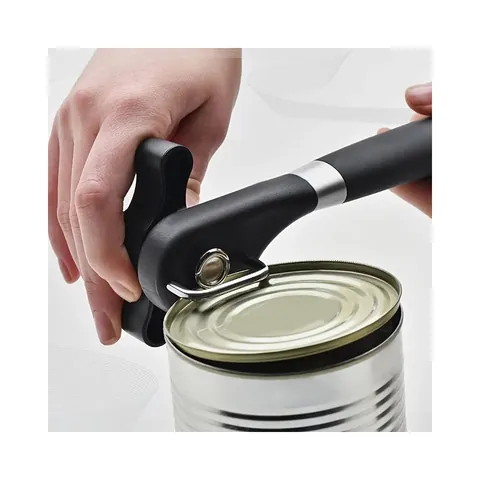
You’ll also want to have some sort of manual can opener, along with utensils, bowls, hand sanitizer (or soap) and, of course, drinking water on hand. I’d also suggest practicing opening your cans before you actually need to in an emergency, as some pull-tabs can be tricky!
Related supply
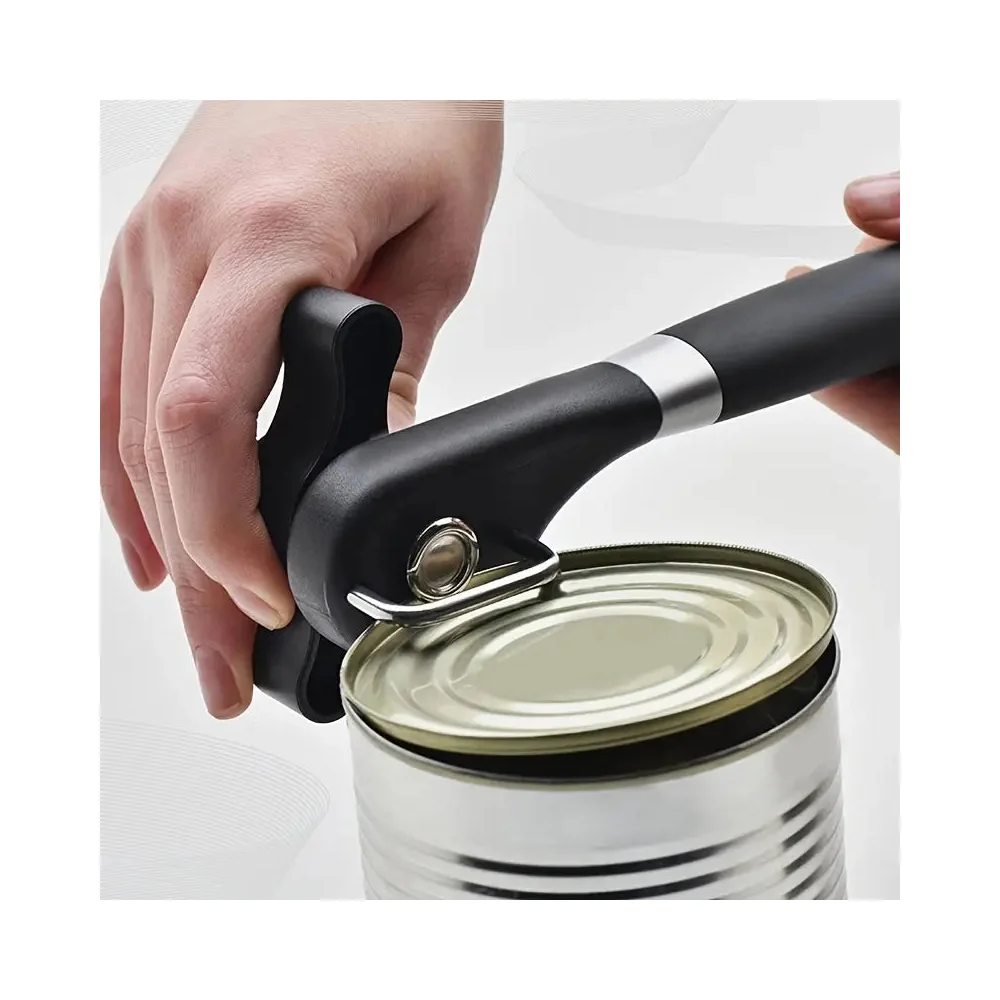
Easy-Grip Manual Can Opener
Open canned food without electricity.
Includes one manually operated can opener. Check that its grip and turning action suit your hands.
Don’t open your refrigerator during a power outage more than necessary. An unopened refrigerator will keep food cold for approximately four hours. Perishable food should be discarded if it’s been left above 40°F for two hours or more (one hour if the temperature is above 90°F). And don’t rely on your sense of smell or taste buds to tell you if food is still safe, see the FDA’s guidance on food safety during a power outage for more info.
With that in mind, here are 30 items to consider stocking up on:
30 foods and drinks to consider
1. Tuna packets
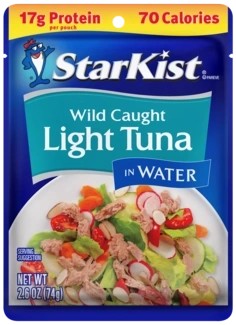
Tuna fish packets are great for stocking up on protein during a power outage, eat them as-is or with crackers or tortillas. Again, I’d go for a size you can eat in one sitting (especially if you don’t have a cooler on hand). And flavored packets can eliminate the need for condiments like mayo, which need to be refrigerated, or spices, plus extra dishes to wash.
2. Peanut butter
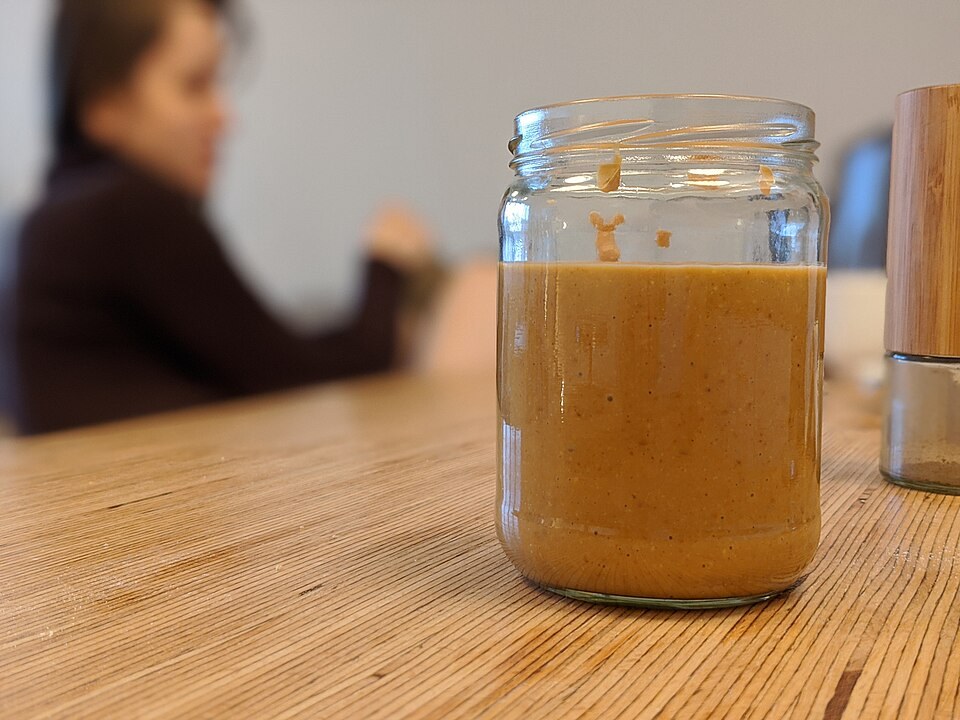
Peanut butter on crackers, rice cakes or tortillas provides a lot of nutrition (fat and protein!) with little to no prep. Some varieties of peanut butter (i.e. the natural kind) have different storage requirements, check the label. And of course, sub in something else if you have nut allergies.
3. Tortillas
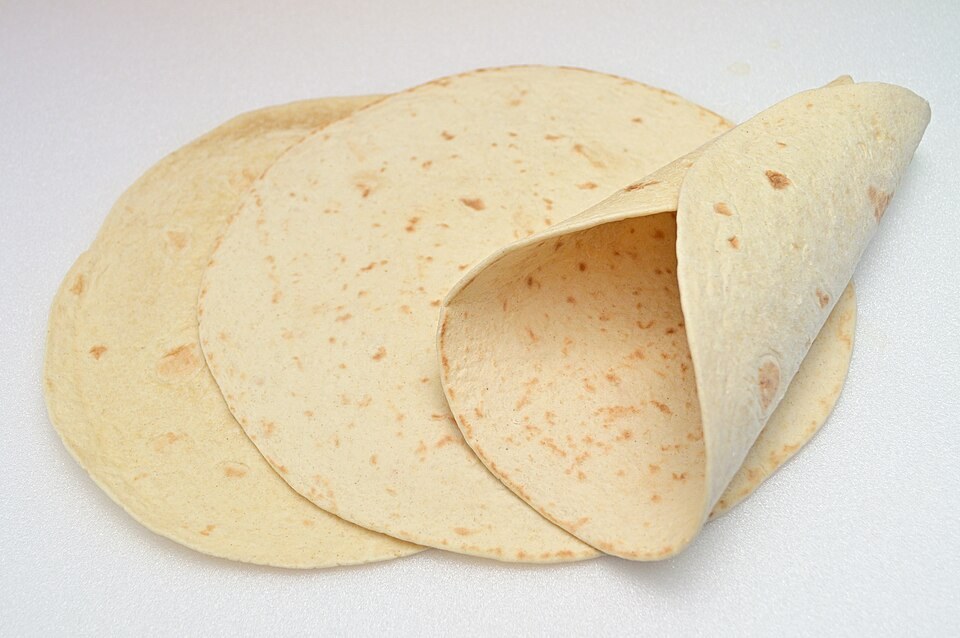
Tortillas can turn whatever you have on hand into a handheld meal. Stuff them with peanut butter or single-serve packets of chicken. Make sure it’s a kind that’s okay to keep at room temperature and follow storage instructions after opening. I’d also use tortillas regularly so they don’t go stale before you actually need them.
4. Crackers
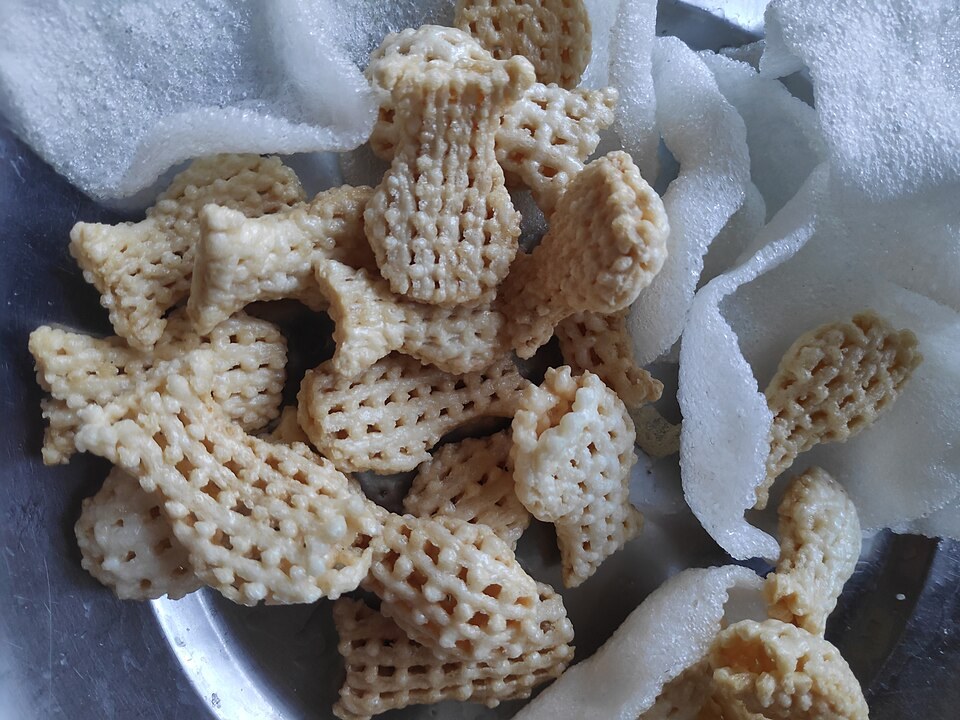
Crackers can also be a vehicle for tuna fish, chicken, peanut butter or shelf-stable hummus. I’d go with individually wrapped ones (or at least smaller packages) since once you open a giant family-size box, they’re likely to get stale pretty fast. And I’d keep at least one plain kind on hand for anyone in your household that has a hard time eating highly seasoned foods.
5. Canned beans
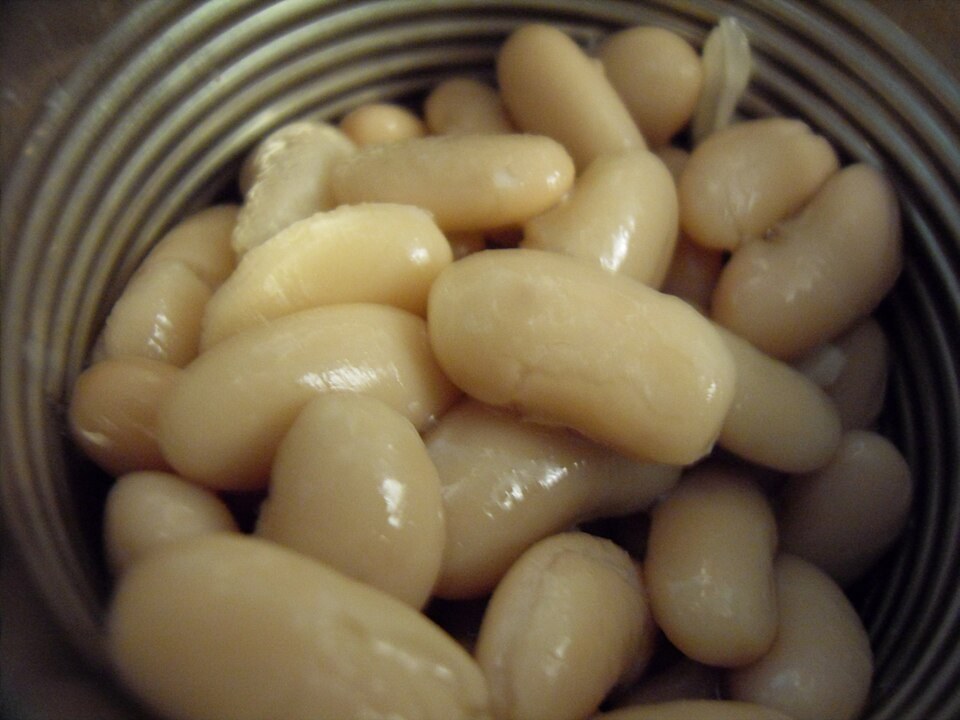
Canned beans that are already fully cooked (and the label indicates you can eat them as-is) can serve as a cold meal option, drain and pair with crackers and canned corn. Note that this does NOT apply to dried beans, which have to be cooked and should not be part of your no-cook meal options.
6. Canned corn
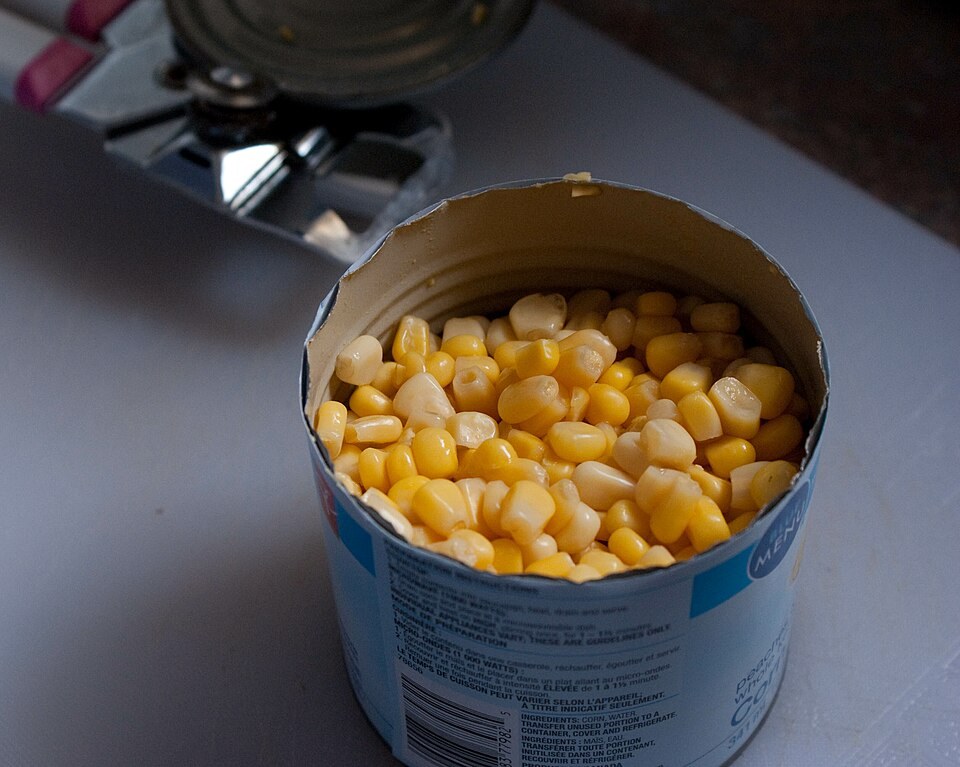
Canned corn that’s already cooked and safe-to-eat is a nice change-up to beans or chicken in a wrap or tortilla. Go for a smaller can that you can finish in one sitting if you don’t have a way to refrigerate. You could also seek out a lower-sodium option.
7. Applesauce cups
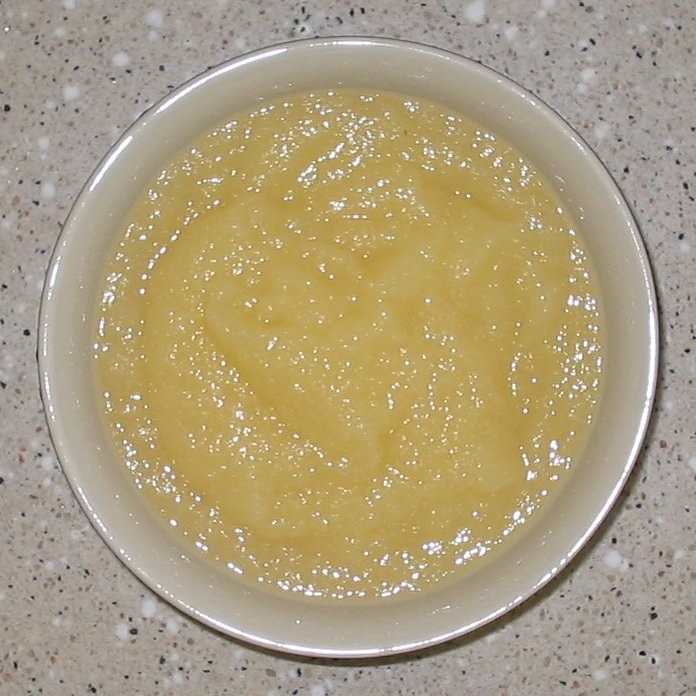
Applesauce in single-serve cups doesn’t have to be sliced or cooked and it’s not out of a communal jar. Eat it for breakfast or as a snack alongside crackers and peanut butter (and make sure you have spoons on hand, if necessary). You could also seek out unsweetened applesauce if the rest of your emergency food items skew sweet.
8. Trail mix
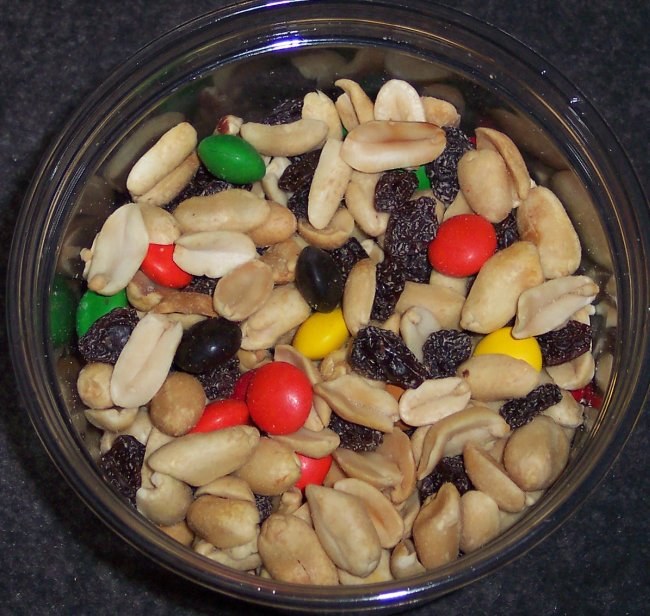
Trail mix is basically multiple snacks in one, and you can easily divide it up into a bowl. Again, make sure you’re aware of any ingredients that could trigger allergies (i.e. peanuts, other nuts, milk, etc.). And some varieties of trail mix have chocolate in them that could melt if stored somewhere warm.
9. Jerky
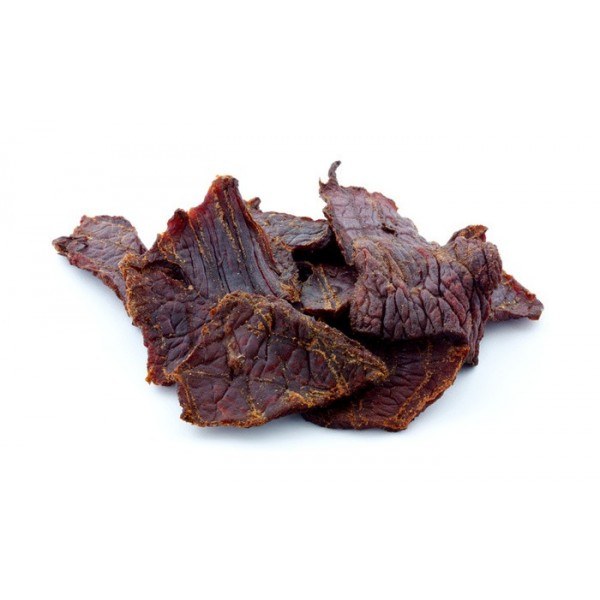
Again, seek out individually packaged meats that say they’re okay to store at room temperature (some do need to be refrigerated, especially after opening). And I’d go for smaller packages that you can finish in one sitting. I also think jerky works best as a complement to other foods (like crackers and fruit) as opposed to a meal on its own.
10. Protein bars
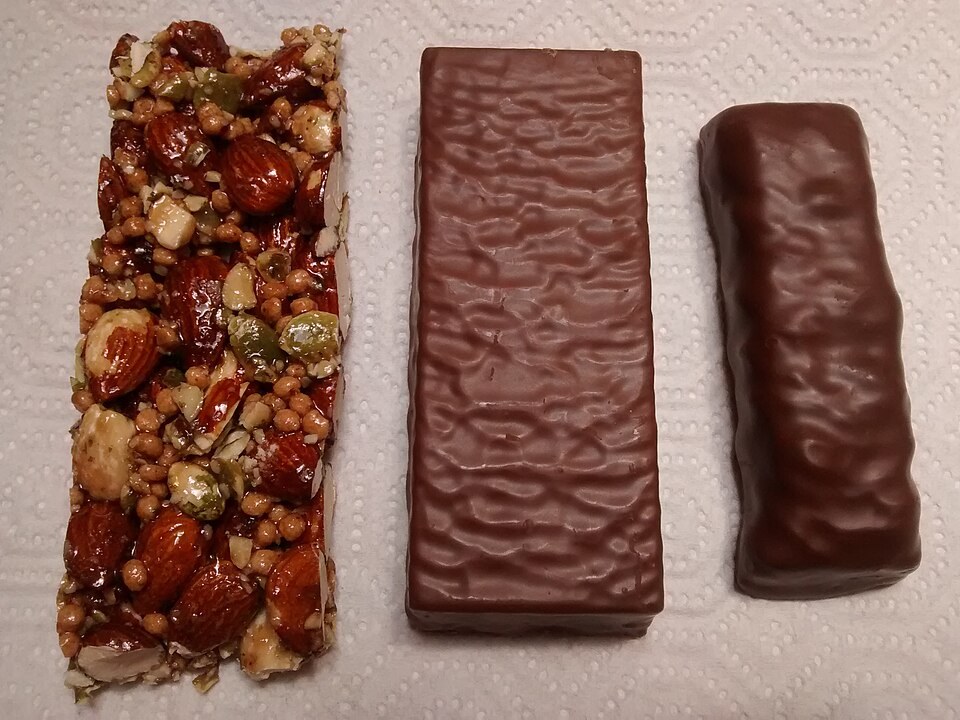
Stock up on brands you’ve already tried. These can be great when you don’t want to deal with dishes or if you just need a quick snack. Note that protein bars can range quite a bit in terms of calories and ingredients, make sure you’re getting enough calories if that’s your goal. And keep in mind that some of them shouldn’t be stored in warm places.
11. Dried fruit
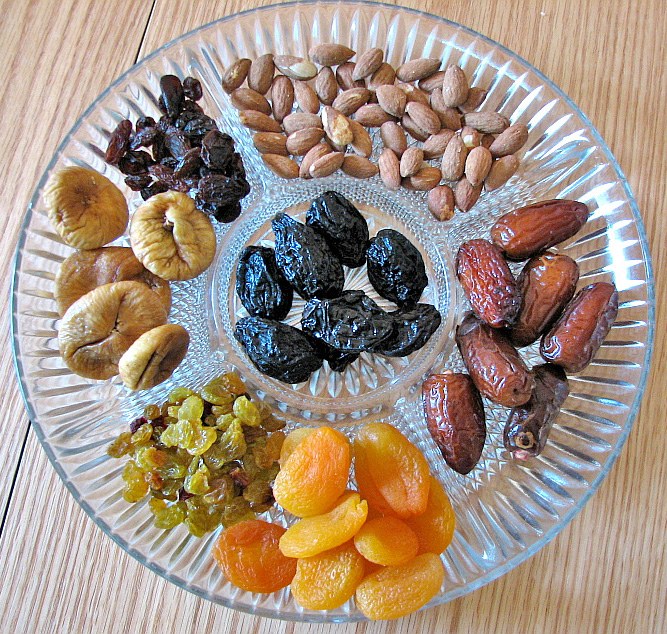
Dried fruit (like apricots and raisins) doesn’t have to be peeled or refrigerated. Eat it on its own or along with nuts or cereal. Again, smaller portions may be easier to consume for people who typically don’t eat a ton of dried fruit.
12. Nuts
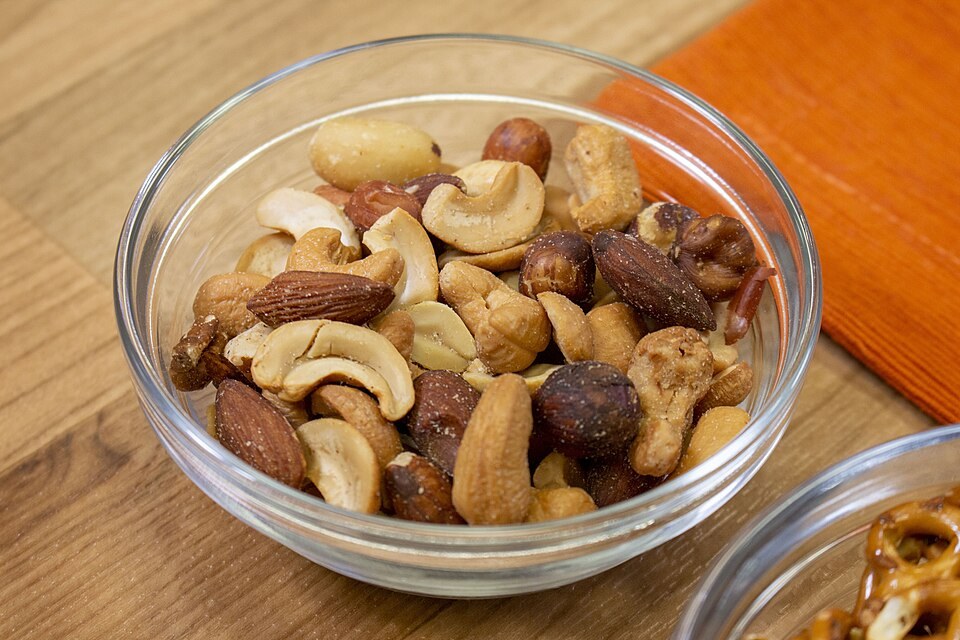
Stock up on individually wrapped or sealed containers of nuts you like. These are calorie-dense and can add some crunch to otherwise bland pantry-friendly foods. Make sure to check through them regularly to see if anything is going bad (i.e. smells rancid) and toss anything whose packaging may have been compromised. And again, whole nuts aren’t appropriate for everyone (especially small children who could choke).
13. Ready-to-eat cereal
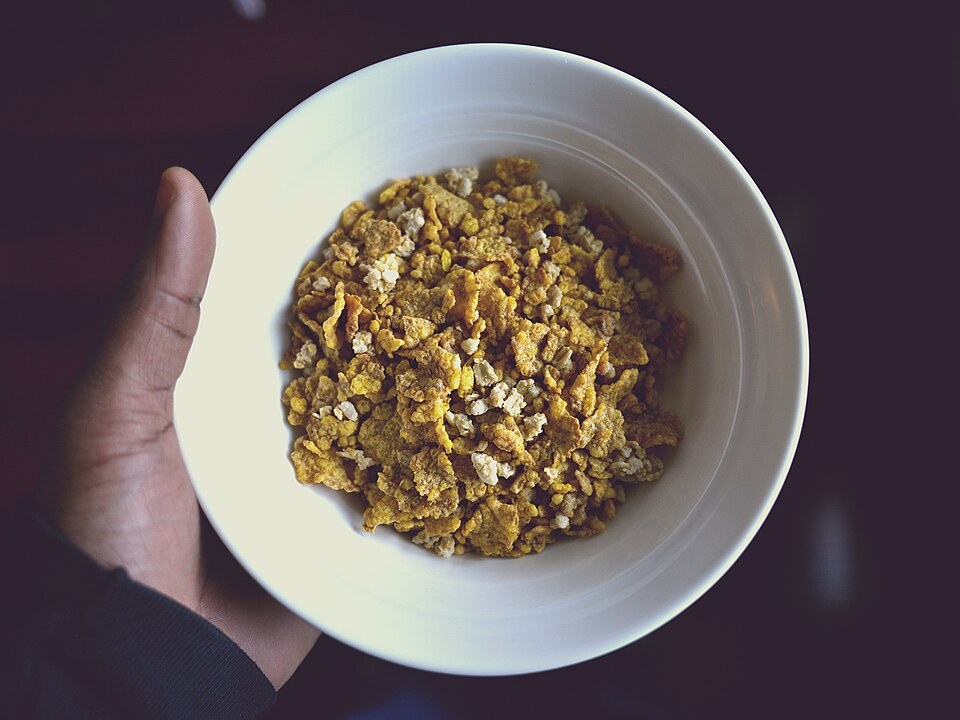
Choose ready-to-eat cereals you enjoy eating without milk. Eat it for breakfast or combine it with dried fruit for a snack. Note that some cereals that look like ready-to-eat cereals are not, double check to make sure it doesn’t need to be cooked.
14. Shelf-stable milk
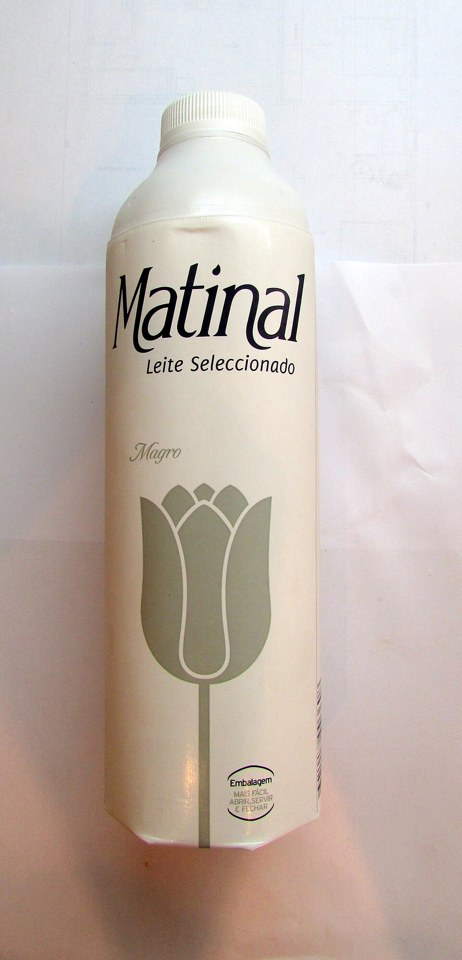
Look for milk that’s labeled as shelf-stable (meaning it doesn’t need refrigeration until it’s been opened), ideally in single-serve cartons. Regular cartons of milk do NOT count. Once it’s been opened, check to see if it needs to be refrigerated or consumed right away. There are also shelf-stable non-dairy milks available, just make sure to check the label.
15. Hummus cups
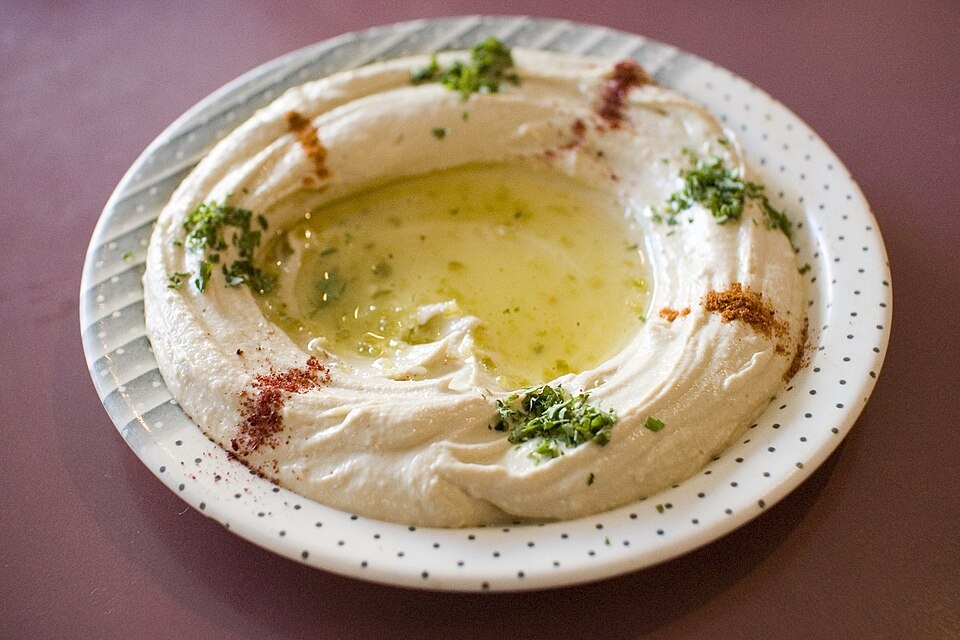
A note about hummus, the brand of hummus in the graphic (Sabra) needs to be refrigerated. Even in little cups, it’s not shelf-stable! If you want to include hummus as a cracker topping, look for varieties labeled as shelf-stable or plan to eat it only if you can keep it cold enough.
16. Canned soup
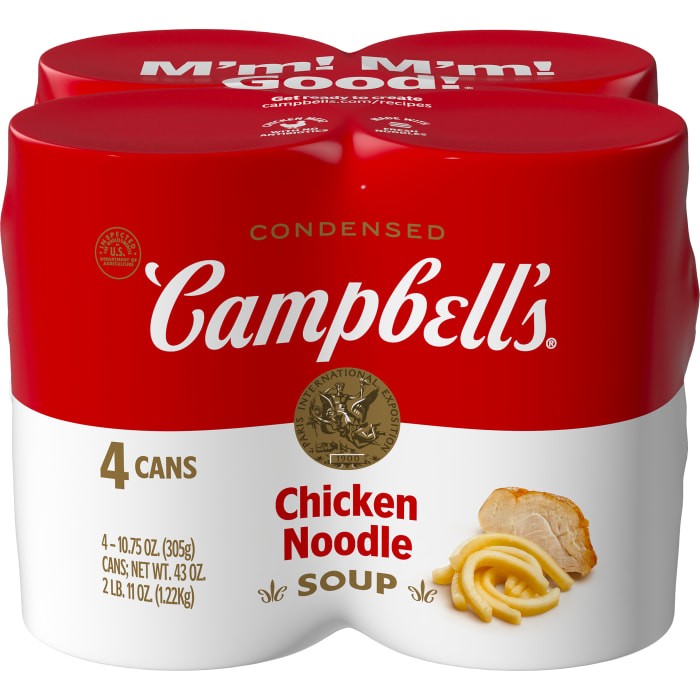
Some canned soups are already fully cooked and labeled as okay to eat without being heated. Again, canned soups range quite a bit, don’t assume they’re all the same and check to see if you could stomach eating it cold. Condensed soups probably aren’t the best bet since they require additional ingredients (i.e. water) to prepare.
17. Sardines
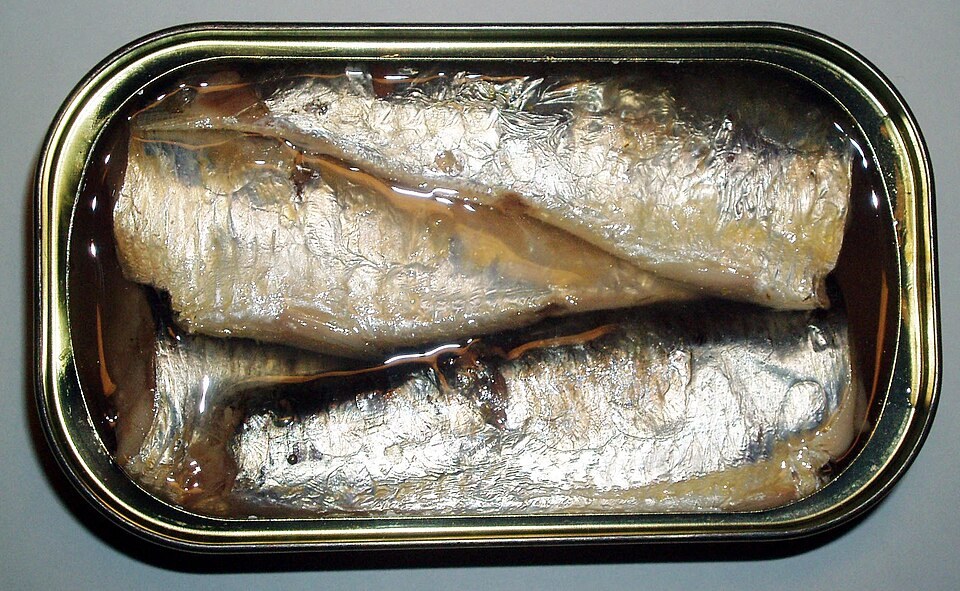
Some people may be put off by canned sardines but they’re shelf-stable, pair well with crackers and can break up the monotony of canned foods. Just make sure to only open as much as you plan on eating. Also, with canned sardines, there’s going to be some fishy smell/flavor, choose a variety you like and stock up on napkins. And keep in mind that some people may be allergic to fish.
18. Rice cakes
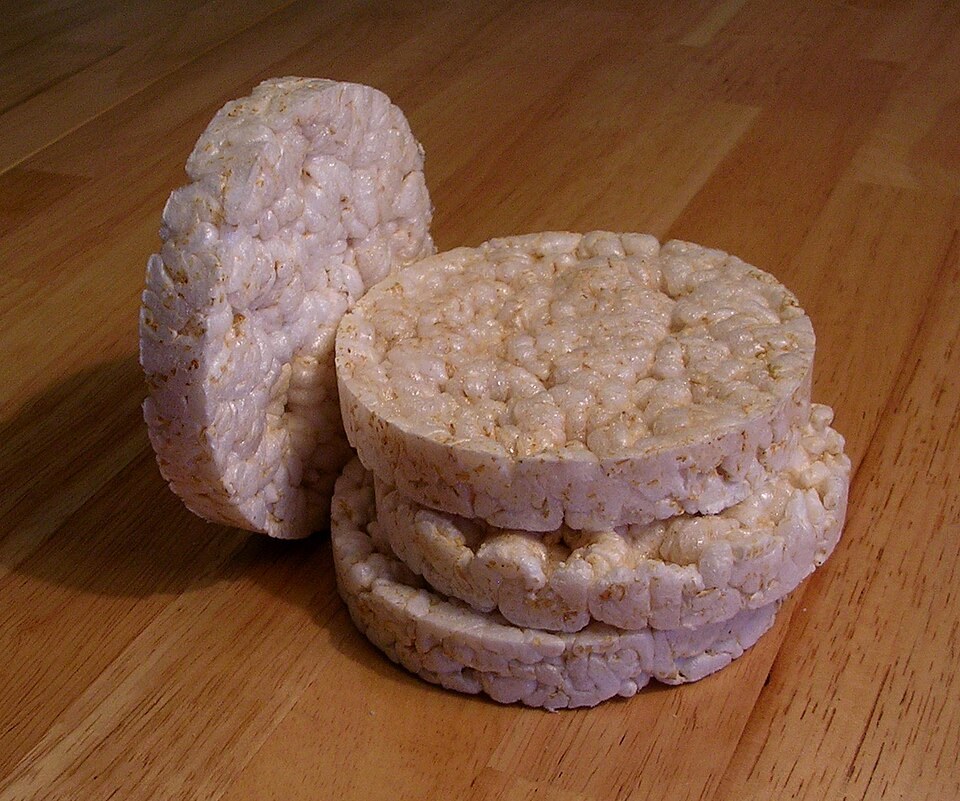
Rice cakes can be a nice crunchy change of pace and can be topped with shelf-stable nut butters or other ready-to-eat foods. However, I would NOT count on them alone to make up a meal, even a couple of them topped with protein/fat sources likely won’t fill you up.
19. Granola
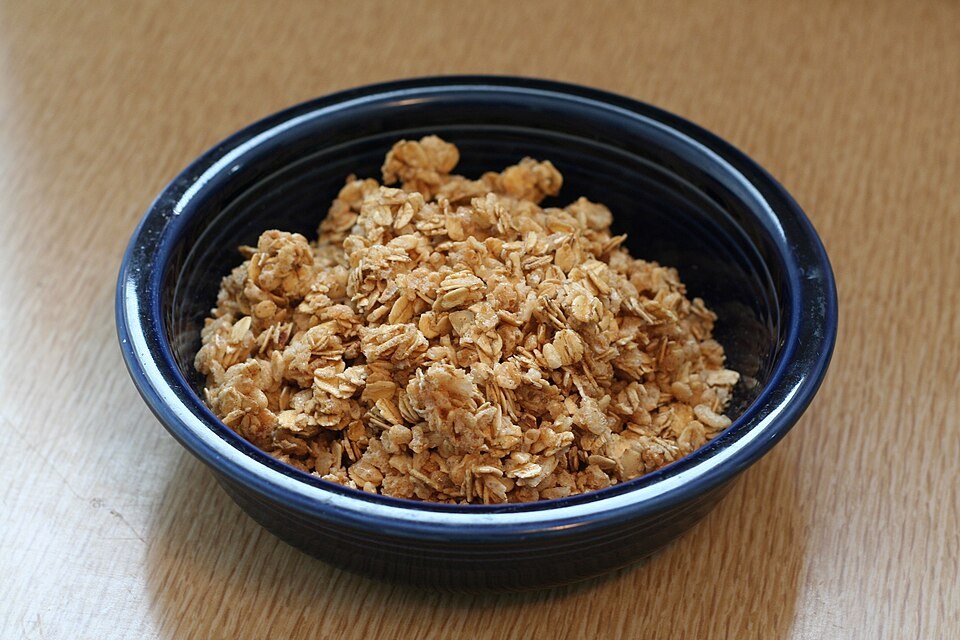
Granola can be eaten on its own, with dried fruit or poured over shelf-stable single-serve milks. Make sure to double check ingredients for potential allergens and seek out varieties that everyone can comfortably chew.
20. Fruit cups
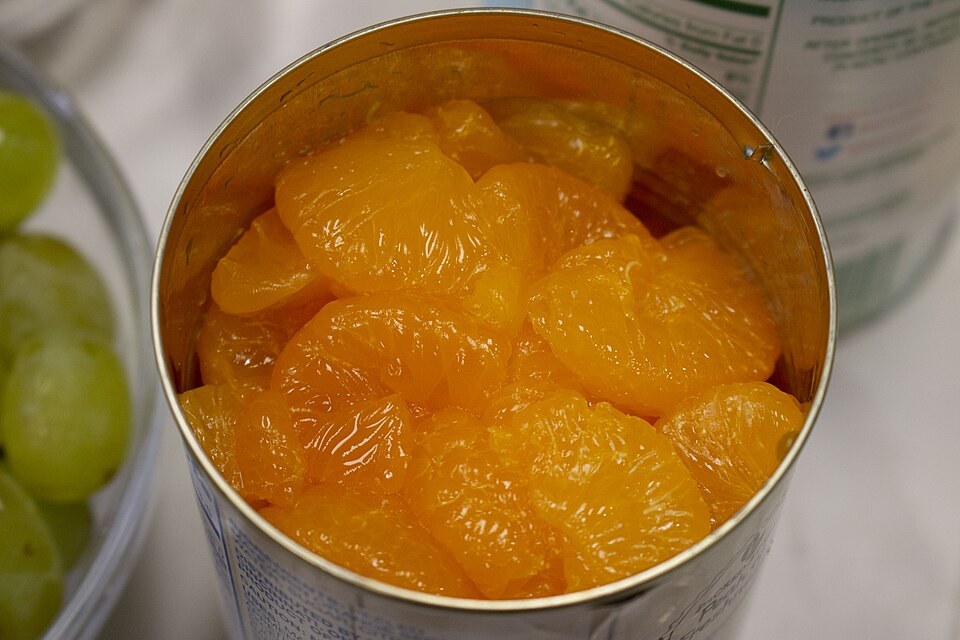
These are another great option for a change of pace since they’re moist as opposed to dried fruit. Make sure to stock up on varieties that are sealed and labeled okay for room temperature storage, intact (i.e. not dented or leaking) and in sizes you can finish. And don’t forget to grab a spoon!
21. Instant oatmeal
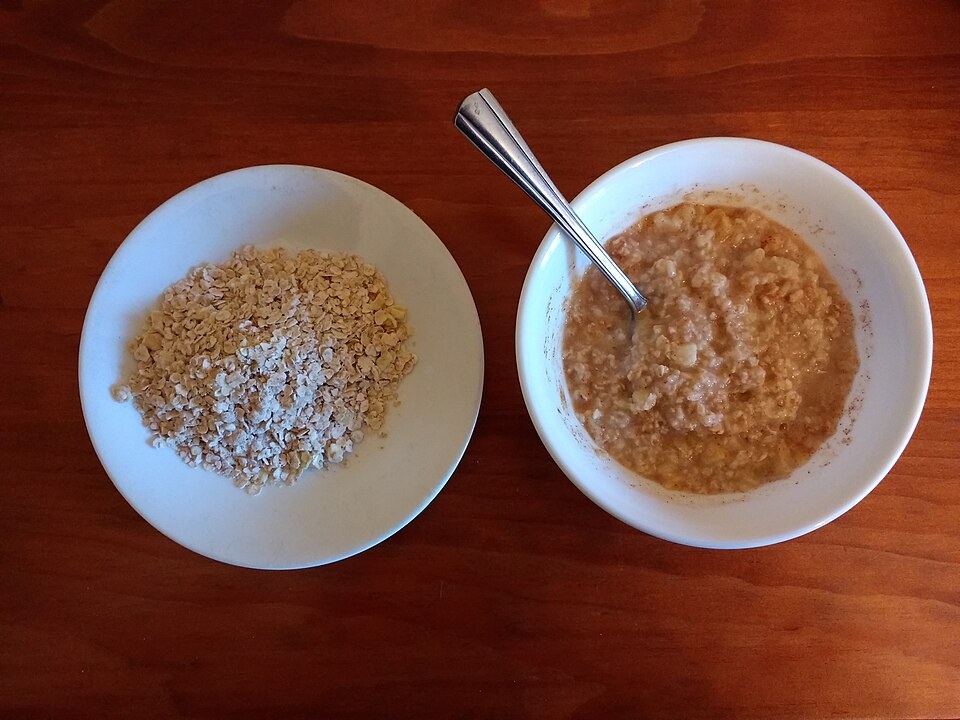
Again, “instant” doesn’t necessarily mean ready-to-eat, some varieties of instant oatmeal still have to be microwaved or combined with hot water. The pictured cup requires preparation. Save those for situations where you have a way to make hot water and stock up on ready-to-eat cereals for guaranteed no-cook options.
22. Electrolyte packets
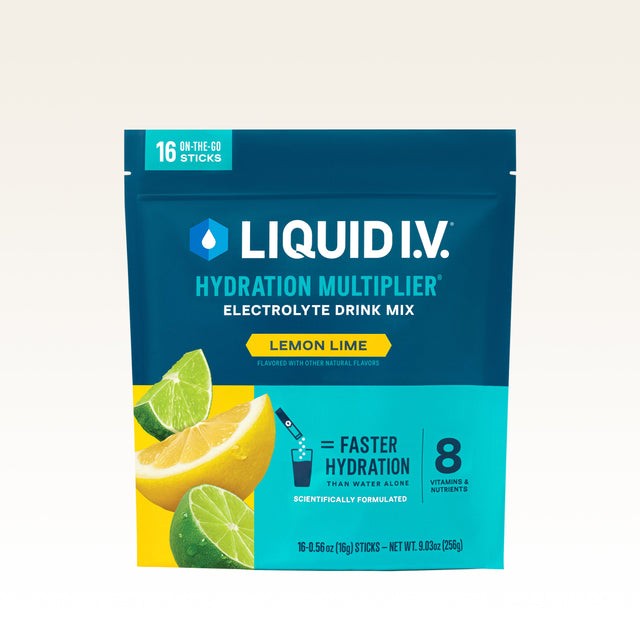
These can be nice to have on hand but they’re not a meal and they don’t count as part of your water supply. They have to be mixed with safe drinking water according to the package directions. Note that there are quite a few varieties of electrolyte packets, don’t assume that all of them are created equally (i.e. sports drink powders are not necessarily the same as oral rehydration solutions) and stock up on a variety you’re comfortable with.
23. Bottled water
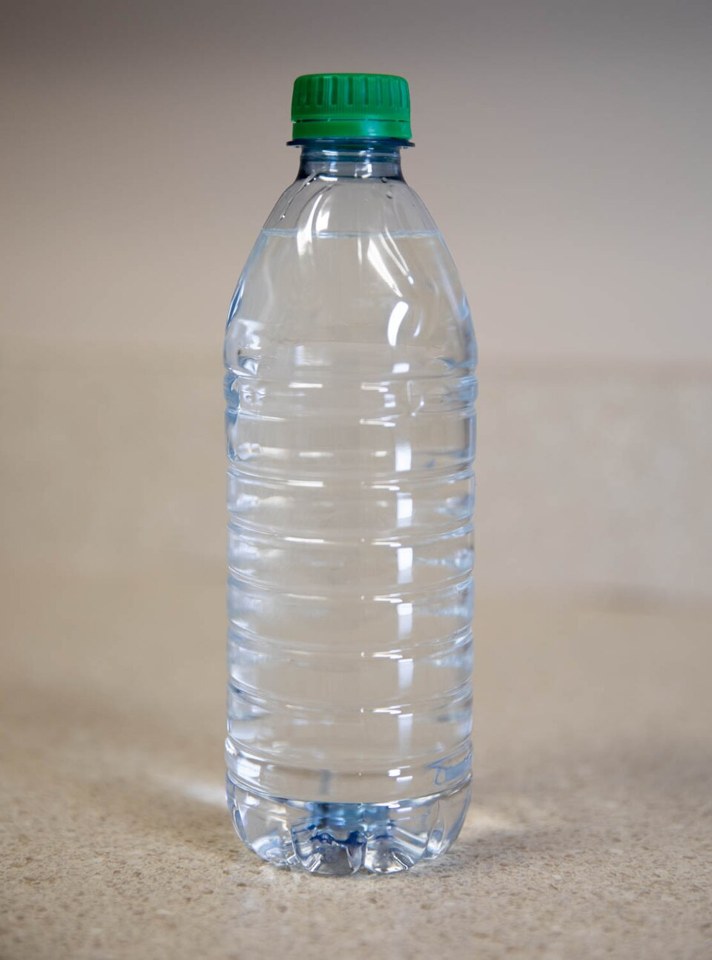
The CDC recommends having at least one gallon of water per person per day for a minimum of three days on hand (that’s at least 12 gallons for a family of four!), ideally you’d want to have two weeks worth. Consider if you need to factor in extra for pets, hot weather, individual circumstances, etc.
24. Canned chicken
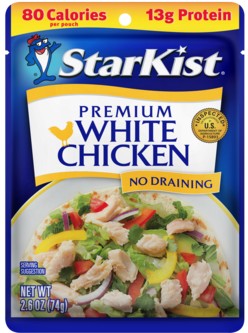
Look for canned or pouch versions of chicken that are labeled as fully cooked and shelf-stable. They can be eaten on their own or along with crackers/tortillas. Again, seek out smaller containers you can finish in one sitting. You’ll probably want to supplement with a canned fruit or vegetable for variety and you won’t want to count on refrigerated salad dressings (unless of course you can keep things refrigerated).
25. Pickles
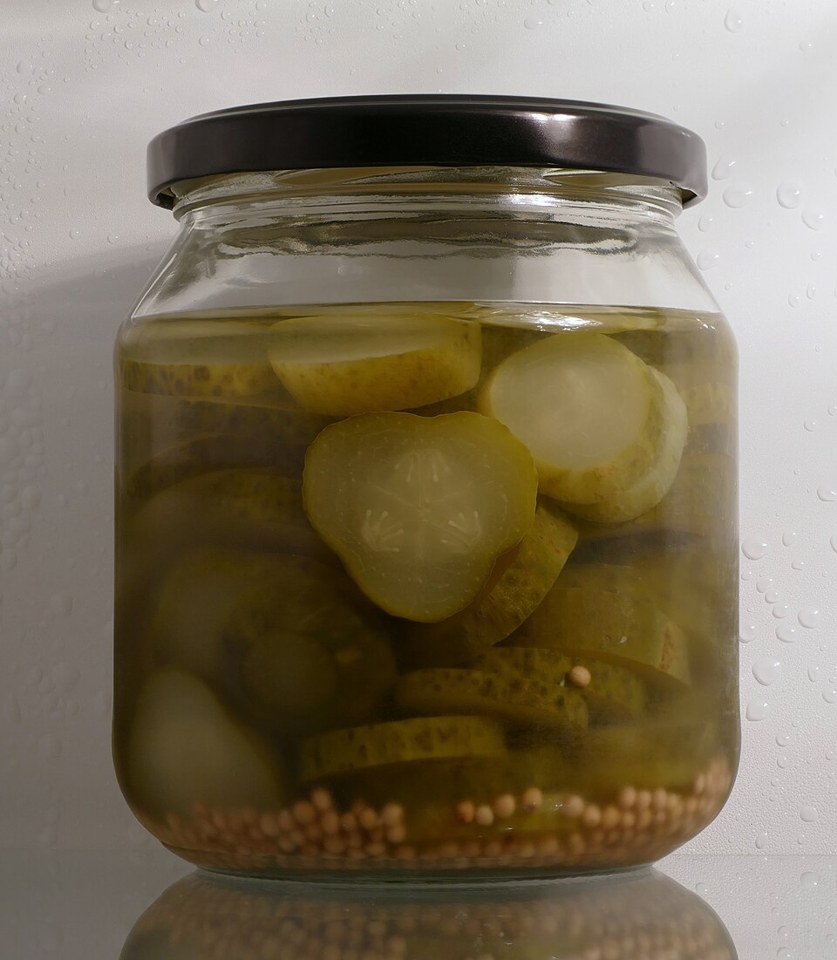
These can be a nice palate cleanser/add some variety to cracker/wrap-type meals. Again, seek out varieties that are labeled okay for room temp storage prior to opening and follow storage instructions after opening. Single serve pouches are probably your best bet as opposed to big jars you won’t be able to finish during a protracted power outage.
26. Olives
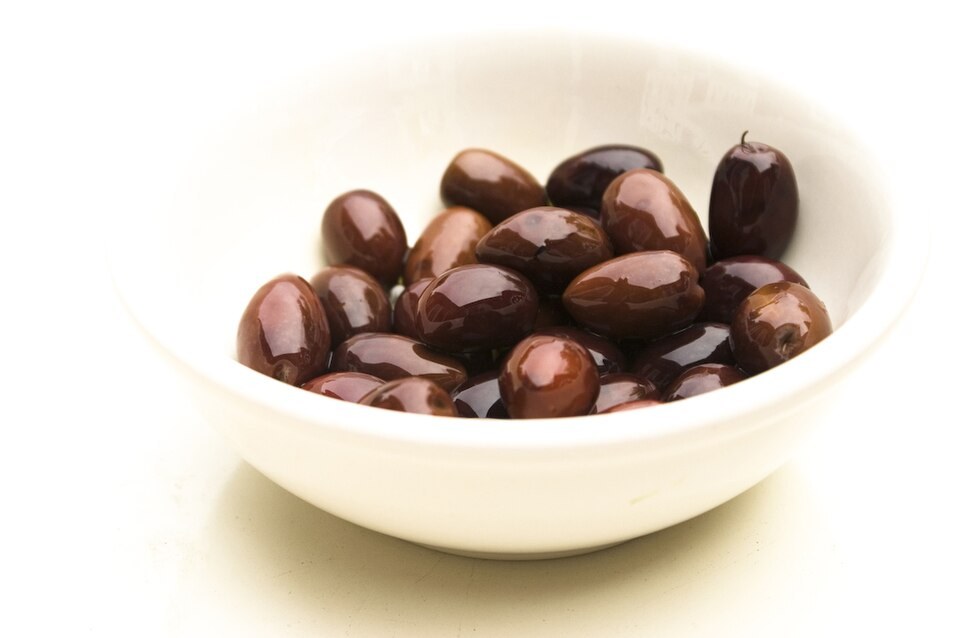
Like pickles, these can add some variety/flavor to meals and single-serve pouch/cup versions are probably best. Make sure to follow storage instructions and finish once opened if you won’t be able to keep them cold. Keep in mind there are pitted varieties available and some sizes may not be appropriate for everyone.
27. Popcorn
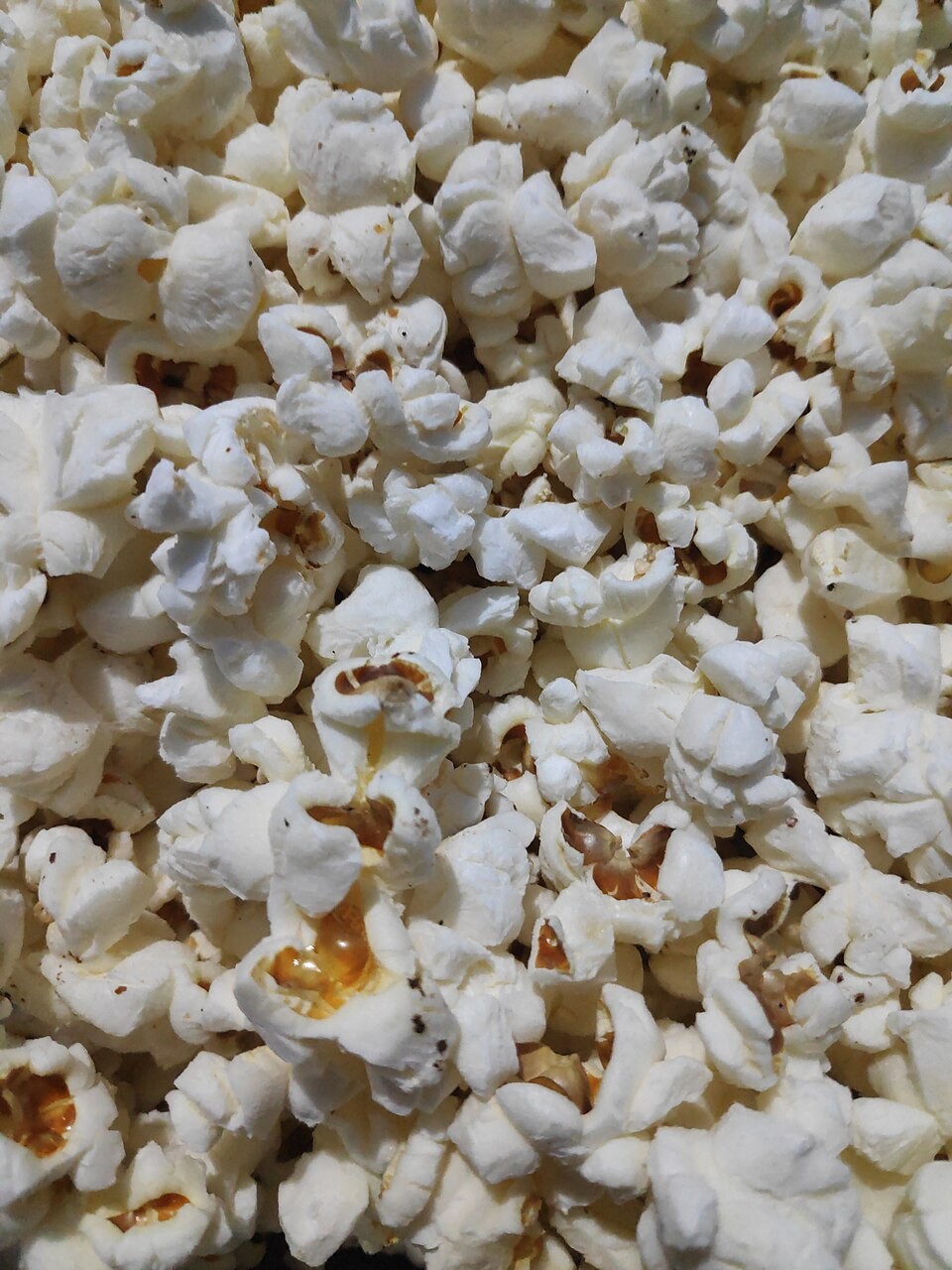
Make sure to grab already popped, shelf-stable varieties as opposed to kernels or microwave bags since you may not have a way to pop it. Again, seek out varieties you can finish and keep sealed until ready to eat. And while shelf-stable popcorn is fine as a snack, I wouldn’t count on it alone to keep you full.
28. Chocolate
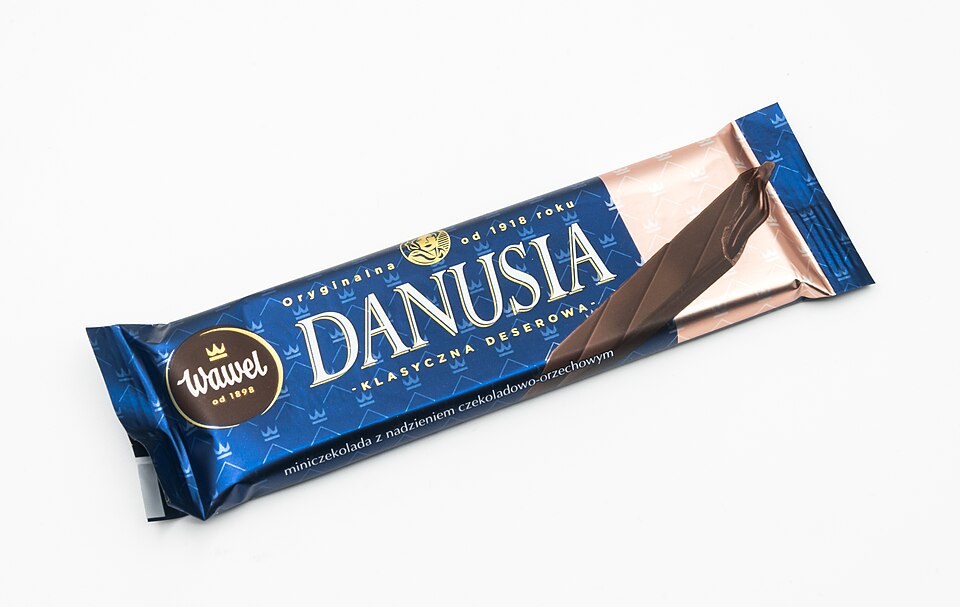
While mainly a treat, a little chocolate can go a long way in making canned food week more palatable 🙂 Just make sure to store according to the directions on the package (usually cool and dry) and rotate like you would other foods. It will melt if left in a hot garage/car!
29. Baby food
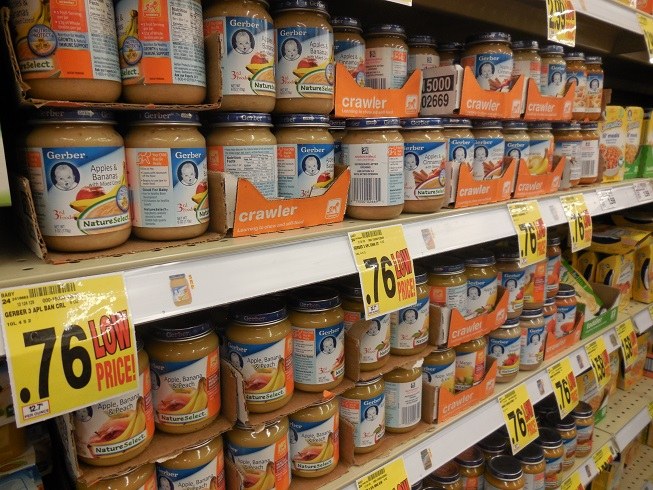
Look for pouches/jars of baby food that are appropriate for your child’s age/diet and can be stored at room temperature. Follow directions for opening/storing/discarding (especially important if your child eats straight out of the jar/pouch). Note that if you have an infant you’re going to want to make sure you have an adequate supply of formula (if formula-fed), baby food won’t replace breast milk/formula!
30. Ready-to-eat meals
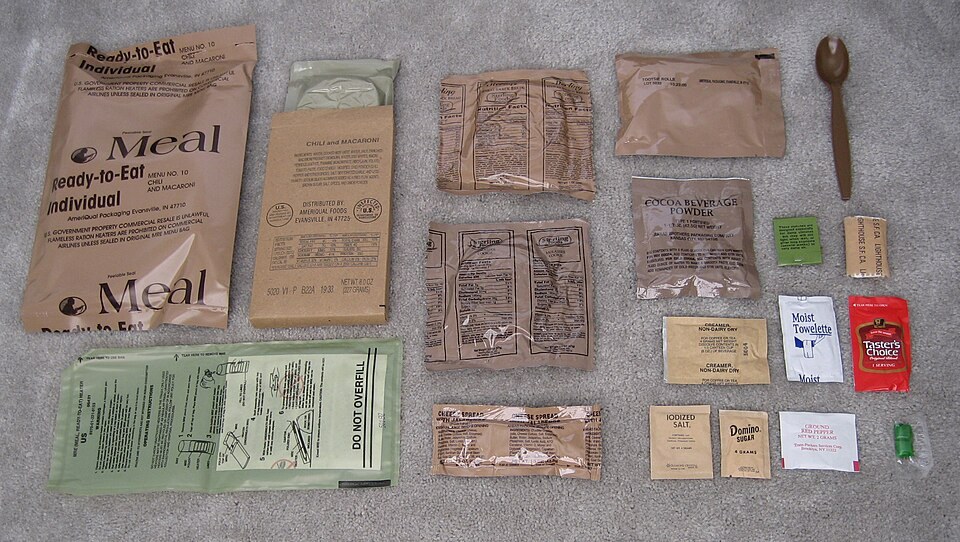
Again, make sure to seek out varieties that are labeled shelf-stable and ready-to-eat as opposed to ones that have to be heated/reconstituted with water (like the Mountain House variety in the graphic).
Put the pantry together as meals
Breakfast: ready-to-eat cereal + shelf-stable single-serve carton of milk + applesauce
Lunch: Tuna (in a pouch) + crackers + fruit cup
Dinner: Chicken tortilla wrap + canned corn OR beans and corn (eat cold) + crackers
Snacks: Rice cakes + PB, nuts + dried fruit, energy/protein bars, etc.
See what items you like to eat together, what items/snacks you gravitate towards (try to mix it up a bit so it’s not just Doritos for lunch/dinner/snacks!), what’s easy to open/eat, how much water/cleaning up, etc. Jot down how much of each item you used for the day and triple that for a starting point for what you might want to stockpile (of course, you’ll want to adjust for your family’s needs/caloric requirements).
Keep your food usable
As always, store items in a cool/dry place according to the directions on the package and use/rotate items as they come due (like use older cans of corn/chicken/etc. first and replenish during your next grocery trip). Keep an inventory with expiration/use-by dates and toss out anything that’s bulging/leaking/dented/cracked/damaged/exposed to flood waters. If you end up opening something that’s supposed to be refrigerated after opening and you don’t have a way to keep it cold, eat an appropriate amount as soon as possible and toss out the rest 🙂
Sources
- FDA: Power outages and food safety
- FDA: Food and water safety during outages and floods
- CDC: Creating an emergency water supply
- USDA: Foods to keep for emergencies
- USDA: Storing canned goods
- Sabra: Refrigeration guidance
- Mountain House: Beef stroganoff preparation information
Featured photo: Ron Lach / Pexels.

 15 Items People Regret Not Having After a Storm ↗
 How to Survive 7 Days Without Power: The Ultimate Guide to Products and Tips to Stay Safe ↗


