The storm is over, but normalcy has not yet returned. There’s no power to the neighborhood, and with it, no light in the kitchen. Cell phone service is spotty, and your battery is getting low. You’re not sure if you’ll be able to turn on the faucet, and the fridge’s been off long enough that you’re questioning the viability of your dinner plans.
In that kind of scenario, things we usually take for granted become top priority. To avoid the hassle and disappointment of realizing what you need after stores are closed, roads are impassable, or utilities are down, it’s important to have supplies on hand before disaster strikes.
While you don’t need to have everything we list below, you should consider which items are essential for your household’s unique situation, the kinds of storms you’re likely to encounter, and the equipment you already have on hand.
Keep in mind that this list isn’t the result of an exhaustive survey of storm survivors. These are simply items we think are worthwhile to have on hand, in no particular order.
Of course, it’s important to heed any evacuation notices and other instructions from local officials. All of this gear is great, but only if you’re in a safe location to use it!
1. Don’t skimp on drinking water
If a storm knocks out your water service, or the quality of your water is in question, you’ll want a healthy stash of drinking water on hand. The CDC recommends having at least three days’ worth of water (one gallon per person per day) and ideally two weeks if you can manage it. That’s 12 gallons for a family of four, just to hit the three-day mark. Add more if you have pets, live in a particularly warm climate, or have other special circumstances.
When it comes to containers, you might consider a water jug with a spigot for easier access rather than having to pick up and tip over a heavy container each time. Local Prepper offers the ZORMY 3.2-Gallon Water Container and the Reliance Aqua-Pak 5-Gallon Water Container.
Neither container comes with water, so don’t forget to fill them! And make sure you’re using containers that are labeled for storing drinking water, and follow directions for cleaning and filling. And remember, water is heavy. Consider how and where you’ll store it so that it’s easily accessible to everyone in your home who might need it.
2. A headlamp beats a flashlight
When the power’s out, you can use your phone for a flashlight. But when do you need your phone? And when do you need both hands? A flashlight can be useful, but imagine trying to open cans of food, pick up after the kids, or check the ingredients list on that can of soup while balancing a flashlight on top of a coffee mug.
The USB-C Rechargeable Hands-Free Headlamp solves that problem. Make sure it’s charged before a storm, and practice putting it on and figuring out the controls. Store it somewhere you can easily find it without electricity – maybe in a drawer by your bed or on a designated shelf with your emergency supplies. If multiple people in your household might need to come and go independently during an outage, one headlamp for everyone isn’t going to cut it.
Test out the headlamp with whatever else you’ll be wearing – glasses, hats, etc. – and keep the appropriate charging cable nearby. A headlamp will help you see where you’re going, but that doesn’t mean everything you see is safe to approach. Stay away from potentially dangerous areas, and leave checking for damage to the professionals.
3. A lantern lights up an entire room
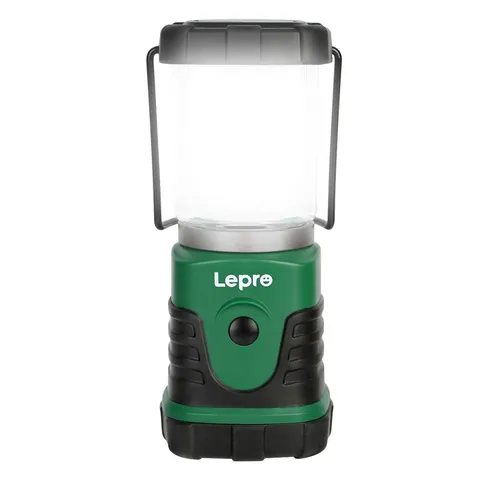
A flashlight or headlamp only shines in one direction, but a lantern can light up an entire room. Having a little more light makes it easier to do activities that call for a bit more space – maybe setting up a card table for the kids or eating dinner without huddling together.
The Lepro AA Battery Lantern runs on three AA batteries (not included). Stock up on Energizer MAX AA Batteries or another brand you trust. Or consider the Rechargeable Emergency Lantern, depending on your needs. Either way, think about how you’ll be powering that lantern the second night into a blackout, not just whether or not it works tonight.
Test out the different brightness settings ahead of time. Find a level surface to set your lantern on that won’t obstruct foot traffic. Store extra batteries in their packaging away from any stray metallic objects, don’t mix old and new batteries, and follow any other manufacturer recommendations. A little ambient lighting goes a long way toward making a stormy night bearable.
4. A weather radio keeps you in the know
During a storm, you may not have access to cell service or the internet. Even if you do, you need to know what’s going on – are more storms expected? Has the storm closed any major roads? Where are shelters or other resources being made available? Don’t count on your phone as your only source of emergency information.
The National Weather Service keeps up-to-date weather forecasts and alerts available on NOAA Weather Radio. The Hand-Crank AM/FM/NOAA Weather Radio picks up AM and FM radio in addition to NOAA Weather Radio.
This particular radio is manually-tuned and doesn’t advertise any sort of alert feature – if you need to be woken up by alerts, make sure you’re purchasing a radio that explicitly advertises that feature. Don’t count on one method of receiving alerts either.
Find out which stations are receivable in your home, tune into one that you can pick up well, write it down, and make sure your radio is charged. If your radio charges by hand-crank or solar power, keep in mind that cranking for a few minutes or charging in dim conditions won’t last forever.
5. Backup power keeps your devices alive
You’ll want to use your phone during a blackout to stay in touch with family, stay abreast of emergency information, check your bank accounts, etc. But having a bunch of charging cables isn’t going to do you any good without a power source to plug them into.
The Powdeom Portable Power Station has a 155Wh battery capacity and can output 150W of AC power as well as charge devices via USB. Depending on the power requirements of your phone, laptop, or other small electronic devices, this power station may be able to keep them charged.
Decide in advance which devices you absolutely must keep charged and which people need access to those devices. Gather the necessary charging cables, make sure they work, and keep them all together in something like a Cable & Charger Zip Pouch so you’re not rifling through junk drawers while trying to stay calm.
Don’t expect to be able to plug in major appliances like refrigerators or heaters, or even medical equipment. Actual runtime will vary based on the item you’re trying to power and inevitable energy losses. Charge and store your power station according to the manufacturer’s instructions and keep it out of the elements. If you have medical equipment that absolutely must stay powered up, plan accordingly.
6. Ready-to-eat foods won’t leave you hungry
You may have tons of food in your pantry right now, but if most of it is rice, pasta, and dehydrated meals, you’re going to need water, cooking equipment, fuel to cook them, and a way to clean up afterwards. All of those things could potentially be compromised by a storm.
Keep some ready-to-eat food around for emergencies, like the Bridgford Honey BBQ Chicken Sandwiches. The sandwiches are completely cooked and come in a pack of three individually-wrapped sandwiches.
When you order ready-to-eat foods, make sure you read through the labels and nutrition facts to make sure you know what’s in them and how to store them. Three sandwiches doesn’t necessarily mean you have three days’ worth of food – think about how many people you’re feeding, whether or not there are children or dietary restrictions to consider, and how much food you think people will actually eat.
Add no-prep foods from your grocery shopping and don’t forget to include water, utensils, and trash bags. If you can, try out a sample of the food before committing to stocking up on it – you don’t want to find out that nobody likes it or it contains an allergen after you’ve already purchased it. Use your ready-to-eat food regularly and replace it so you don’t end up with expired food.
7. A can opener you can actually use
Chances are, you’re stocking up on canned goods. But if you’re counting on using an electric can opener, you may want to rethink that plan. If you’re exclusively stocking pull-tab cans, you may want to rethink that plan, too.
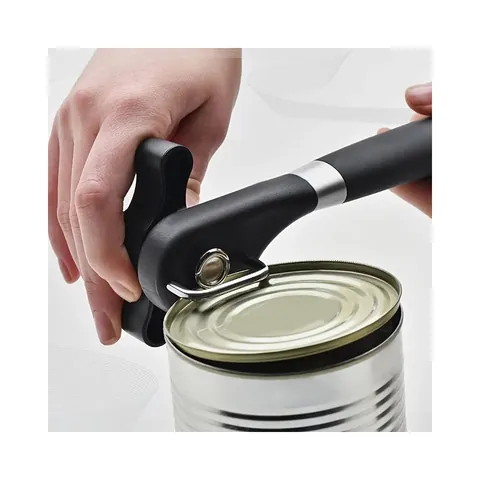
Keep a manual can opener like the Easy-Grip Manual Can Opener on hand. If you’re left-handed, consider picking up a Left-Handed Manual Can Opener instead.
The best can opener is one that’s easy for you to use – try it out before relying on it to make sure it grips cans well and doesn’t require Herculean strength to turn. If you have limited hand strength, figure out now whether or not you’ll need help opening cans and decide if there are alternative foods you can stock up on instead.
Keep your manual can opener with your canned goods, not buried in your camping gear bag. Clean and dry it after using it, and be careful of sharp edges and lids. And if you do end up using your emergency can opener to open dinner, put it back where it belongs after!
8. Know what temperature your fridge and freezer are
If the power’s been out for a while, you’re going to need to figure out whether or not the food in your fridge and freezer is still good. Opening the door and eyeballing it probably isn’t going to cut it – just because your freezer looks frosty or your milk still looks cold doesn’t necessarily mean your food is ok.
A fridge/freezer thermometer like the Taylor Refrigerator & Freezer Thermometer can help you figure out the appliance temperature. Set up your thermometer(s) ahead of time instead of trying to piece things together after the fact.
According to the CDC, your refrigerator should be 40°F or less and your freezer should be 0°F or less. Assuming you leave your fridge/freezer doors closed, you can expect food to last up to four hours in the fridge, 48 hours in a full freezer, and 24 hours in a half-full freezer.
Try to avoid opening your fridge/freezer as much as possible during an outage and keep track of how long the power’s been out. A fridge/freezer thermometer won’t keep your food cold, and just because your food is cold after the power comes back on doesn’t mean it was cold the whole time. Follow the recommended guidelines for your particular situation and type of food, and remember: don’t taste your food to see if it’s ok. When in doubt, throw it out!
9. A stocked first aid kit (stocked!)
Cuts and scrapes happen, and you’re more likely to need a well-stocked first aid kit the less likely it is you’ll be able to go pick one up. And that first aid kit you bought two years ago? It may need replenishing by now.
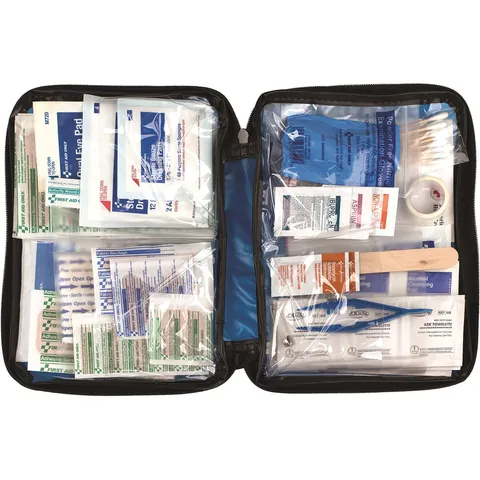
A stocked first aid kit like the First Aid Only Stocked First-Aid Kit, FAO-428 includes bandages, antiseptic wipes, ointment packets, and a cold pack. Take a look at what’s in there when you get it – the items in first aid kits can change.
Make sure you know what’s in there and when it expires, check medication labels, consider any allergies, and make sure you have enough of everything, including a variety of bandage sizes. Replace anything you use, and keep your kit where adults can find it easily, but medications and other dangerous items out of reach of little ones.
If you prefer to stock your own first aid kit, consider picking up an empty one like the First Aid Organizer Pouch to organize everything. Either way, open it up and check what’s in there! If you don’t know much about first aid, consider taking a class. If someone does get seriously hurt, seek medical attention – don’t risk your safety by wandering into debris or unsafe areas to help someone out!
10. A backup toilet (and enough liners to go with it)
If you’re planning on flashlights and bottled water for an emergency, chances are you haven’t given much thought to how you’re going to go to the bathroom if your toilet isn’t working. And yet, if there’s a sewer advisory, or your water gets shut off, or your plumbing gets damaged, you’re going to have to go to the bathroom somewhere.
A folding toilet with waste bags like the Folding Emergency Toilet with 15 Liners has a toilet seat, waste bags, and a carrying case. The maximum user weight is listed as 260 pounds, and the height of the toilet may make it difficult for anyone who requires support to stand up.
Set it up ahead of time and make sure it’s on a flat, level surface, and that everyone who’ll be using it can get on and off of it comfortably. Consider where you’ll set it up, especially at night, and how you’ll maintain privacy and hygiene. Fifteen bags may not last you long, depending on how many people are in your home.
If you want to pick up more bags or other absorbent products to go with your toilet, double-check the size and instructions – just because something looks like it’ll work doesn’t mean it will. Follow instructions for disposing of waste bags, and don’t dump or flush waste bags or absorbent gel! And don’t use your regular toilet if there’s a problem with your plumbing. Note that while this type of toilet is useful for containing waste until you can dispose of it, that doesn’t mean everything is sanitary!
11. Personal Hygiene Supplies
If you’ve had a long day and your water’s been off, there’s nothing quite like being able to wash up and put on some fresh clothes. Keeping up with hygiene during an emergency can help with morale, privacy, and keeping up a sense of normalcy and routine (especially for caregivers).
No-Rinse Body Wash and Refreshify No-Rinse Body Wipes can help keep you feeling clean and fresh if you’re unable to shower. Check the directions on the labels and consider any allergies or sensitivities.
Think about your household and what kinds of hygiene products you’ll need – menstrual products, incontinence products, diapers, underwear, towels, etc. Make sure whatever you pick up is the right size/type for everyone in your household!
Don’t forget about soap and safe water! Body wash and body wipes aren’t necessarily going to sanitize your hands, and you’re still going to need a way to dispose of dirty towels, etc. Keep clean items separated from dirty ones! Consider picking up a few of these items the next time you’re out shopping so you’re more likely to remember to use them!
12. A raincoat (easy to access!)
What if it’s raining when you need to get to higher ground or head to an evacuation center? Even if it’s just to walk to your car, you don’t want to be wet and miserable!
The Reusable Hooded Rain Poncho is a hooded rain poncho with sleeves for adults. Make sure you can move around in it comfortably, and store it somewhere accessible (not buried at the bottom of your emergency supplies or the back of your closet!).
Try it on with the clothes you expect to be wearing in an emergency – make sure you can see, move your arms, and carry a bag or use a cane/walker if applicable. Other members of your household may need different sizes/types of rain gear – don’t assume that one adult-sized poncho will cover everyone!
Rain gear is for, well, rain – not floodwater, downed power lines, or storm debris! The CDC advises staying out of floodwater – it may be contaminated and you won’t be able to see what’s underneath. Leave as soon as you’re told to – don’t use rain gear as an excuse to brave bad weather!
13. Warm socks/shirt/pants and an emergency blanket
If you’ve had a winter storm and lost power/heat, you may find yourself cold and miserable in your own home – especially if you’re wearing damp clothes, and your warm socks are upstairs (in the dark!) or in the attic (packed up for next winter).
Have a change of clothes (socks, shirt/pants, hat), and blankets for everyone in your household. Local Prepper has a variety of options including Heat Holders Women’s Thermal Socks and Children’s Thermal Socks – just double-check the sizes to make sure they’ll fit!
Compact Mylar Emergency Blankets come in a 4-pack and can provide an extra layer of warmth without taking up much room in your emergency supplies. Make sure you know how to use them properly (don’t get too close to a fire!), and supervise small children. Emergency blankets aren’t a substitute for proper shelter/heating/clothes/blankets.
Figure out ahead of time where you can go if your house gets too cold – don’t use a grill or camp stove inside your house to stay warm! (And if you live somewhere that gets hit by hurricanes/summer storms, think about where you can go if your house gets too hot – don’t use a grill or camp stove inside your house to cook food!) Warmth items can supplement a plan – they can’t replace one!
14. A contact list and important papers (in case your phone dies and you can’t access them!)
Your phone is likely holding your contact list, bank/utility/insurance account info, addresses, notes – all important stuff! It’s annoying trying to figure out what you need when your phone is working, let alone when it’s not!
Have a basic paper contact list and copies of important papers. You can sort papers using something like a 12-Compartment Document Folder, and make your own list using a Household Emergency Notes Notebook (it’s just blank notebook paper – add whatever you think would be helpful!).
You could include contacts for everyone in your household, an out-of-town contact, utility companies (in case you need to report an outage), insurance companies, your evacuation destination (if you have one), medical instructions (in case you have to go to the hospital), information about pets, etc. Don’t include too much personal/sensitive information – store it somewhere safe!
Make sure at least one other person in your household knows where your emergency papers are located, and update your list/papers as needed (new phone number? baby on the way? new insurance policy?). These products aren’t advertised as being waterproof/fireproof – if you’re worried about your important papers getting wet/burnt, find something else that’s specifically designed for that (and keep digital/safe-deposit box copies of important papers just in case!). These products can help you organize your emergency papers – they won’t magically save them from a house fire/flood!
15. A bin with a lid (so you can actually find everything you’ve got when you need it!)
Your flashlight is in the garage. Your batteries are in a kitchen drawer. Your radio is buried under sleeping bags in your camping gear. Where did that spare cell phone charger go??
IRIS USA WEATHERPRO 41-Quart Storage Tote has a clear design, with a durable lid, seal, and latching buckles to keep your emergency supplies together. It’s empty when it arrives, and isn’t advertised as being flood-proof.
Sort your emergency supplies by type, label the bin, and keep a list of what’s inside (taped to the lid or somewhere easy to find!). Keep food in its original packaging (unless you know for sure that it’s okay to pour it directly into another container). Arrange items so you can access what you’ll need most without digging through everything else.
Make sure your emergency supply bin isn’t so heavy that no one can lift it/move it around, and is stored somewhere safe/easy to access. Keep liquids (like water jugs) separate from electronics and other breakable items, and make sure batteries/medications/etc. are stored properly. Label the bin with a review date, so you’ll remember to restock as needed. This bin won’t turn your garage into Pinterest-worthy storage – but it will help you keep your emergency supplies organized and easy to find!
Start with your storm emergency wish list…
If you can’t get all 15 of these items right away, start by looking at what you already have for emergencies. Lay everything out on a table, and see if you can answer these questions with what you’ve got:
Can everyone in my house get safe drinking water?
Can I make my house brighter?
What do I have to eat that doesn’t need to be plugged in/refrigerated/cooked?
How will I get emergency information? Keep my phone charged?
Now think about the rest of the day/night – and beyond. What about using the bathroom? Staying clean? Medications? Pets? Wheelchairs/crutches/oxygen tanks? Where would you go if it wasn’t safe to stay in your house?
Make a separate list of medications and other special needs that you’ll need to plan for ahead of time (these items won’t magically appear at the grocery store when you need them!).
When you’re done, see if you can use everything you’ve laid out – turn on the radio, open up a can of soup, plug in your phone, find your emergency contact list! Can someone else in your house find/use everything too? If not, figure out why – is something missing? Broken? Expired? Complicated?
If you’re planning on picking up a few of these items, I’d suggest ordering them before storm season so you’ll have time to receive/test/trouble-shoot your new emergency supplies! Check out more storm preparedness products at the Local Prepper store to see if there’s anything else you could use!
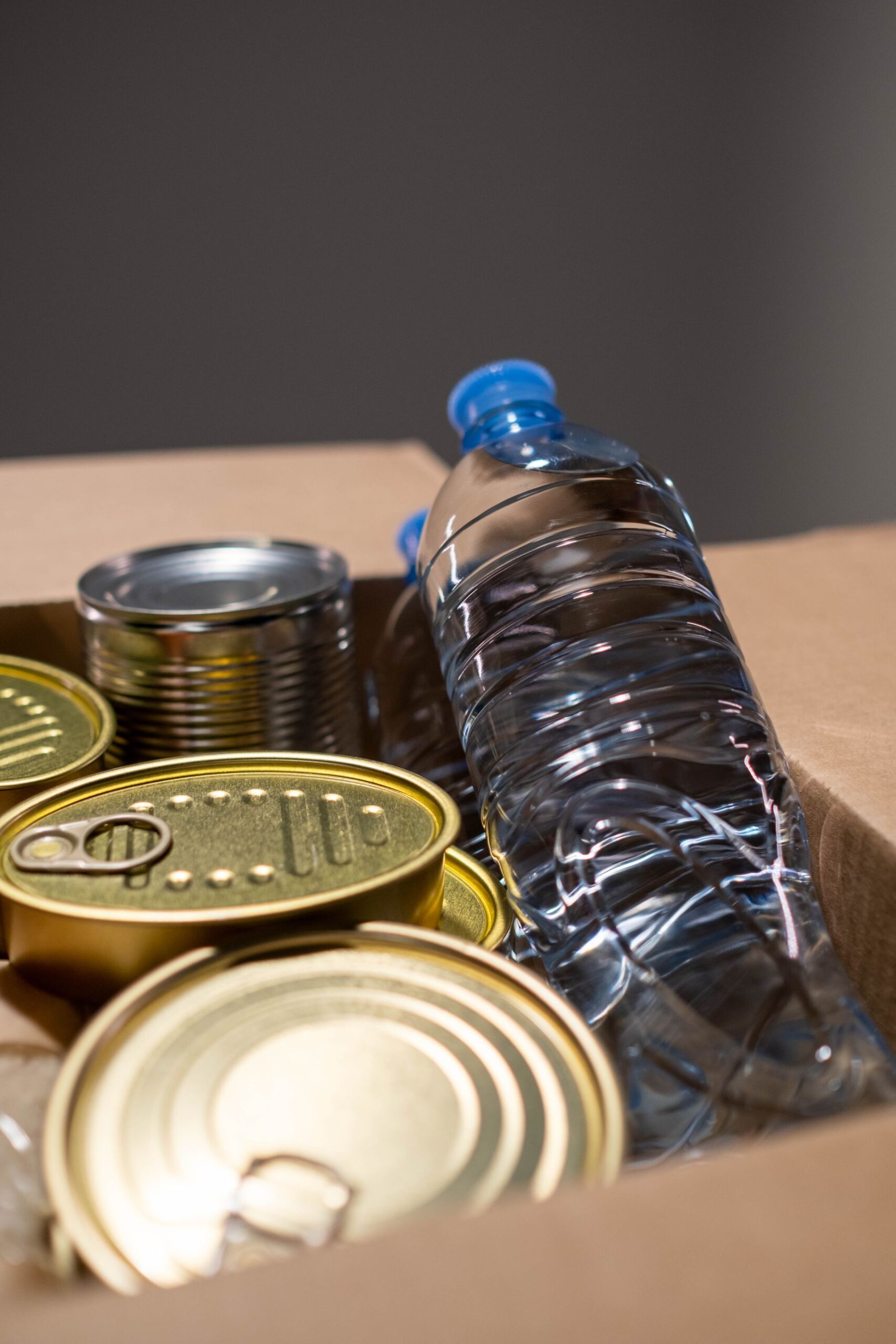
Featured photo: cottonbro studio on Pexels, used under the Pexels License.

 How to Survive 7 Days Without Power: The Ultimate Guide to Products and Tips to Stay Safe ↗
 How to prepare for a power outage at home ↗