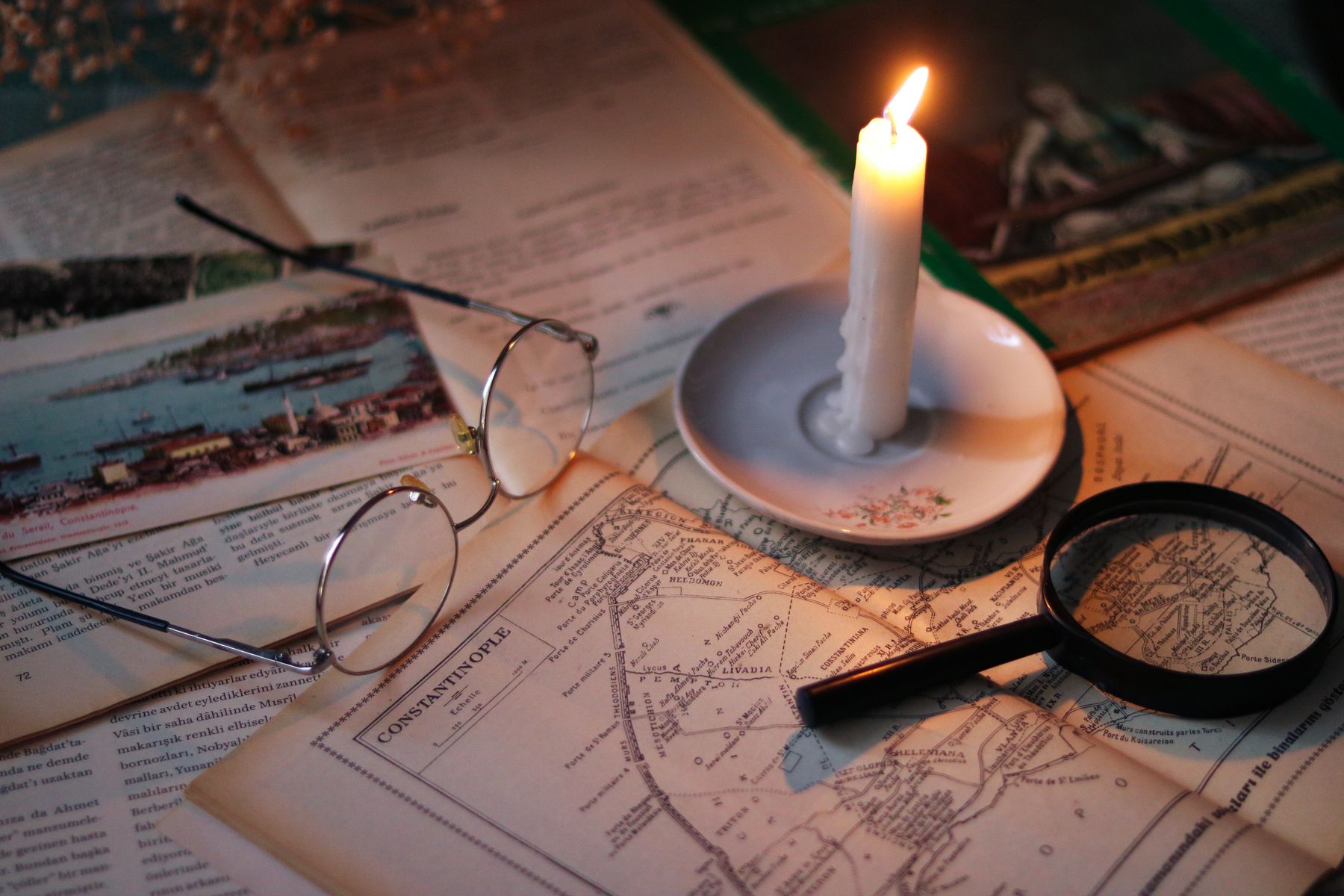
What happened the last time you lost power for awhile?
Candle lit? Phone drained (to 12%)? Maybe you even grabbed a book or board game to pass the time.
And then you crashed at an uncharacteristically early hour because, well, there wasn’t much else to do.
Sound familiar?
A power outage lasting a few hours isn’t the end of the world. But what about an outage that lasts days?
Your food in the fridge turns into a science experiment. Your phone dies and you’re unsure of when (or if) electricity will return. Morale dips as everyone gets cranky, cold and tired of living off of peanut butter.
Sound like a nightmare? It doesn’t have to be.
With proper planning (and the right products), surviving a 7-day power outage can be pretty straightforward.
In this ultimate guide to surviving 7 days without power, I’ll walk you through everything you need to stay safe and comfortable—from food and water to light and warmth to potty situations (yes, we’re going there). Plus, I’ll share products and tips to help you survive—and thrive—during a power outage.
All of the products I’ll mention in this guide can be purchased at Local Prepper. And if you’re ready to stock up, check out the 7-day essentials collection.
Note: You don’t have to check every box in this guide today. Instead, identify your weakest areas and start there.
Start With Water (It Matters More Than Food)
You may be able to survive 7 days without power using only the food in your kitchen—but only if you have access to clean, drinkable water.
The Ready.gov website recommends that you store at least one gallon of water per person per day (that’s for both drinking and sanitation purposes).
That means you should aim to have 7 gallons of water on hand per person for a week-long power outage. (So that’s 28 gallons for a family of four.)
| People | Baseline water | 5-gallon containers |
|---|---|---|
| 1 | 7 gallons | 2 (10-gallon capacity) |
| 2 | 14 gallons | 3 (15-gallon capacity) |
| 4 | 28 gallons | 6 (30-gallon capacity) |
| 6 | 42 gallons | 9 (45-gallon capacity) |
Calculation: people × 7 days × 1 gallon per day; container counts are rounded up. Capacity is not water already stored. Allow extra for pets, heat, individual needs and food preparation. Use food-safe containers and follow CDC water-storage guidance.
Chances are, that’s a lot more water than you’re currently storing at home. But it’s crucial to have on hand—especially if your home gets its water from a pump (which requires electricity to operate).
Even if your home is serviced by a municipal water system, widespread power outages can impact water pressure or result in boil-water notices.
If you don’t have 7 gallons of water on hand per person, here are some ways to bridge the gap:
- Reliance Aqua-Pak 5-Gallon Water Container: Stock up on these bad boys. Fill a few of these up before the next storm hits and you’ll be well on your way to meeting your household’s recommended water supply.
- ZORMY Water Container with Spigot (3.2 Gallons): Unlike the above option, this smaller container has a spigot that makes it easy for little ones to get their own water without making a huge mess. Keep one filled up and stored on your kitchen counter.
- 10L Folding Water Carry Bag: Need to transport water from a neighbor’s house or fill-up station? This bag can be folded up when not in use.
Note: All of the above options come empty. Be sure to fill them up before the next storm rolls through (not after the power goes out).
What if you run out of water? Or the water coming out of your tap isn’t safe to drink? In either situation, you’ll want a way to purify water.
For households, I recommend the LifeStraw Peak Gravity Water Filter & Storage. It filters water by gravity without electricity. It is not a virus purifier and does not make chemically contaminated water safe. Follow local advisories and the manufacturer’s directions; stored safe drinking water remains the priority.
For an affordable (and space-saving) backup option, keep a bottle of Potable Aqua Water Treatment Tablets on hand. Be sure to read and follow directions.
And here’s a tip: Fill up your tub before the next storm hits. While you don’t want to drink tub water, it can come in handy for washing up and flushing the toilet.
Plan Your Food Like the Fridge Doesn’t Exist
Here’s a little-known fact: The fridge in your kitchen will only keep food at safe temperatures for about 4 hours after a power outage. (A full freezer will last about 48 hours, and a half-empty freezer will last about 24 hours.)
Plan meals around safe storage temperatures, rather than a fixed day-by-day schedule. Keep fridge and freezer doors closed. Use a cooler with ice if needed, and switch to shelf-stable food whenever safe cold storage is unavailable.
Also, it’s worth considering investing in a Taylor Refrigerator & Freezer Thermometer so you can keep an eye on your fridge’s temperature during a power outage. Use the food-storage table below and current CDC guidance to decide what to keep. Never taste food to check whether it is safe.
| Storage | Approximate window | What to do |
|---|---|---|
| Refrigerator | Up to 4 hours, doors closed | Move perishables to an iced cooler at 40°F or below before safe cold storage is lost. |
| Full freezer | About 48 hours, door closed | Check food temperature and ice crystals before deciding whether to use or refreeze. |
| Half-full freezer | About 24 hours, door closed | Plan for a shorter cold-storage window. |
These are estimates, not permission to eat food by calendar day. Discard refrigerated perishables after 4 hours without power or a cold source. Never taste food to test safety. Follow CDC food-safety guidance and the FoodSafety.gov discard chart.
When it comes to stocking up on shelf-stable foods, I recommend having a few options that don’t require cooking (just in case you’re too tired to fire up the stove) as well as some options that require a little more work (aka adding hot water) for variety’s sake.
Here are some of my favorite no-cook options:
- Bridgford Honey BBQ Chicken Sandwiches (3-Pack): These ready-to-eat sandwiches are shelf-stable and a hit with kids.
- Augason Farms Ready Now Food & Water Kit: This kit even comes with water and doesn’t require any cooking.
- Datrex Emergency Food Rations: These aren’t the most exciting foods on the list, but each pack contains 3,600 calories, so they can be a great back-up option.
And here are some of my favorite add-hot-water options:
- Mountain House Chicken Noodle Casserole (10-Serving Can): Contains 10 labeled servings; compare the calories and portion sizes with your household’s needs.
- Patriot Pantry 72-Hour Emergency Food Kit: Contains 20 supplier-listed servings. Check calories, preparation water, and individual needs before deciding how much to store.
- ReadyWise Emergency Food Supply (240 Servings): Two buckets contain 240 supplier-listed servings. Servings are not full daily food allowances; calculate your household’s calorie and preparation-water needs.
Pro Tip: When shopping for shelf-stable foods, don’t just consider how many servings are included in each item—also think about how many calories are included in each item. Make sure you’re stocking up on enough calories to sustain everyone in your home.
Also note: Don’t forget to factor in extra gallons of water for rehydrating shelf-stable foods!
If you’re planning on rehydrating any foods during an outage, you’ll need a way to boil water. My go-to option is the Gas One GS-3400P Dual-Fuel Stove, which is simple to use and comes with a convenient carrying case.
IMPORTANT: If you use a camp stove (or grill or generator) to make meals or generate electricity during an extended power outage, make sure you use it outside. Never use these items inside your home or garage, as they can release carbon monoxide gas, which can kill you (and you won’t be able to see or smell it coming).
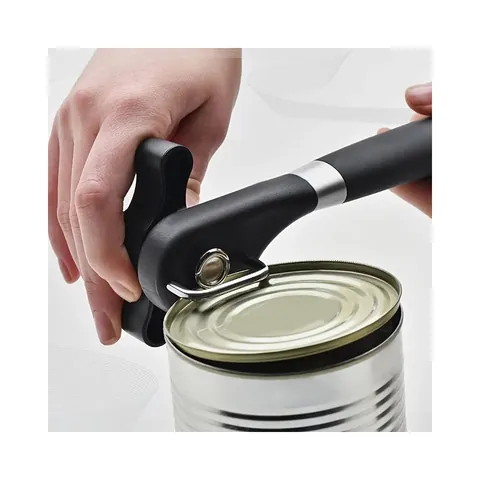
And lastly, if you plan on eating any canned goods during a power outage, make sure you have a manual can opener on hand (like this Easy-Grip Manual Can Opener, which costs less than a trip to the lunch counter and there’s even a left-handed option).
I also recommend stocking up on some silverware (like this Folding Stainless Steel Utensil Set for each member of your family) for reusable eating utensils. They still need safe cleaning after use; budget water for washing them.
Light Up the House (and Skip the Candles)
While candles can be nice to have on hand during a power outage, they’re also one of the leading causes of house fires during power outages (especially if you have little ones or pets running around). Instead, consider keeping these brighter (and safer!) alternatives on hand:
- For lighting a room: Rechargeable Emergency Lantern (or this nifty UCO Sprout+ if you want something a little smaller to keep in your bedroom)
- For lighting your way with both hands free: USB-C Rechargeable Headlamp (trust me—this will be your most-used item the first time you attempt to change a diaper or cook dinner during a power outage with nothing but a flashlight!)
- For lighting your way from bed to bathroom (aka grab-and-go lighting): USB-Rechargeable Zoom Flashlight (keep one by each bed)
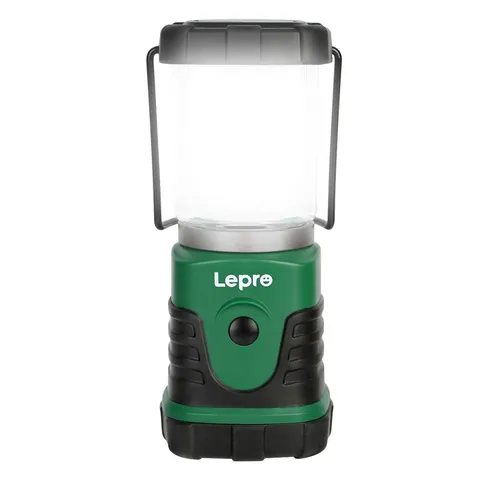
Pro Tip: Rechargeable lights are only as good as the methods you have available to recharge them. So I recommend having at least one battery-operated light on hand as well (like this Lepro AA Battery Lantern, along with a pack of Energizer MAX AA Batteries).
P.S.A. for parents: These M-Tac Emergency Light Sticks make great night lights for little ones during a power outage. They do not need batteries, but are not toys. Follow age restrictions and label directions, supervise children, and keep intact sticks away from mouths and pets.
Stay Informed and Keep Your Phone Alive
One of the trickiest parts of dealing with an extended power outage is figuring out what’s going on. Are emergency crews on their way? Is another storm brewing? When will the power be back on?
Unfortunately, you may not be able to rely on your cell phone to keep you in the know during an extended power outage. Cell phone towers can go down during bad weather (or get too over-used to be of any use to you), and your internet service will likely go down as soon as the power does.
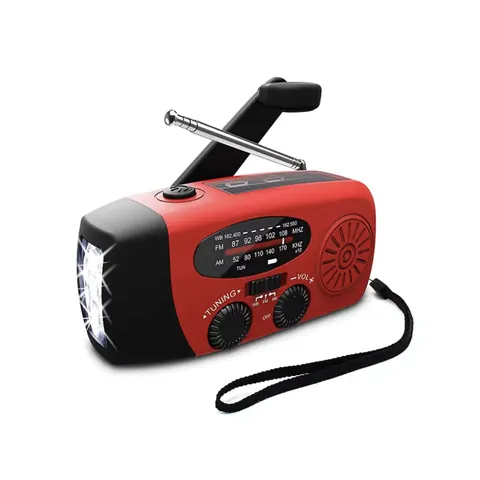
Instead, I recommend keeping a Hand-Crank AM/FM/NOAA Weather Radio on hand to tune in to local news and NOAA weather broadcasts (automatic tone alerts are not confirmed for this model), especially if you live in an area that’s prone to severe weather. And if I could only recommend one item from this entire post, it would be this.
Ways to Keep Your Phone Charged During a Power Outage
- Invest in a small battery pack, like this Powdeom Portable Power Station (155Wh), to use as a back-up power source for small electronics (i.e. your phone, rechargeable flashlights and headlamps, fan, etc.). Note: battery packs like this one are meant to charge small electronics, not to power large appliances (like your fridge, a space heater, or even a coffee maker).
- Invest in a solar panel, like this LUMOPAL Folding USB Solar Panel (30W), to help recharge your battery pack (or even your phone, directly) during daylight hours. Place it in direct sunlight outdoors as directed, keeping connected devices within their safe temperature and weather limits. USB output does not establish compatibility with the power station’s charging input; confirm ports, voltage, and charging instructions before connecting them. Output varies with conditions.
Other ways to conserve phone battery:
- Activate “low power mode” and dim the brightness on your screen
- Send text messages (they use less battery and are more likely to get through than calls during power outages)
- Limit the amount of times you check for updates during an outage (I recommend setting a few specific times during the day to check in, then putting your phone away)
- Charge your phone (and any rechargeable electronics you have on hand) to 100% as soon as you see a storm brewing
Other Ways to Stay Connected During a Power Outage
Keep a Household Emergency Notes Notebook on hand to jot down important phone numbers (since, let’s be honest—none of us have anyone’s phone number memorized anymore!).
Ways to Stay Warm During a Power Outage (If It’s Cold Outside)
During winter months, power outages can be even trickier since it likely means your heating system will be shut off as well. Here are a few ways to help stay toasty warm if the power goes out during colder months:
- Choose one room in your home to gather in during an outage. Close off all of the other rooms to help funnel the heat into that one space.
- Block drafts with these Adhesive Door Draft Sweeps (they can be applied in just a couple of minutes).
- Bundle up! Wear layers, along with warm socks (Heat Holders Women’s Thermal Socks and Children’s Thermal Socks), gloves (Polar Fleece Gloves), and a hat.
- Invest in Rechargeable Magnetic Hand Warmers to warm your hands as directed. Follow temperature and contact-time limits; do not use while sleeping unless the manufacturer expressly permits it.
- Layer one of the Compact Mylar Emergency Blankets (4 Pack) in between your other blankets to help retain body heat.
Never use your oven, grill, or a camp stove to heat your home. I know it can be tempting at 2 a.m. when your toes are starting to get cold, but resist the urge—it can lead to carbon monoxide poisoning and is never worth the risk.
If your home starts to get too cold, consider heading to a warming shelter or the home of a friend or family member who has power. You won’t win any points for staying tough—take advantage of community resources!
Ways to Stay Cool During a Power Outage (If It’s Hot Outside)
On the flip side, power outages during hot weather can also be tricky (especially since your A/C will likely be down, too). Here are a few ways to help stay cool if the power goes out during warmer months:
- Retreat to the coolest area of your home (likely the basement or the lowest floor of your home).
- Keep the curtains or blinds closed during the day and open up windows at night to help circulate air.
- Keep a Compact USB-Rechargeable Handheld Fan on hand—it can provide personal airflow, but it does not replace a safe cool location during dangerous heat.
- Drink plenty of fluids (more than you think you need!).
- Check in on elderly neighbors—heat is especially dangerous for the elderly.
The Bathroom Situation (Let’s Just Talk About It)
If you use a well for your home’s water, a power outage means you won’t be able to flush your toilet (after using up all of the water currently in the tank). During major outages, sewer and water shut-downs can also affect people on city water, too.
Here are a couple of options for dealing with the no-flush situation:
- Only flush with stored utility water if local authorities say the sewer or septic system is working. Do not flush during a sewage backup or a no-flush advisory. Grab a hold of this 9L Folding Household Utility Bucket for this task.
- If all else fails, opt for a portable toilet like this Folding Emergency Toilet with 15 Liners (they can easily be tucked away in a closet when not in use since they’re foldable!).
- If you’re worried 15 bags won’t last you and your family for the duration of the outage, consider stocking up on extra Portable Toilet Bags & Absorbent Gel (25 Sets) (the absorbent gel helps to solidify waste and generally makes the whole situation a little less icky).
- Also grab a roll of 4-Gallon Household Trash Bags (100 Count) for ordinary household rubbish. These are not verified toilet liners or a complete human-waste disposal system; follow local sanitation instructions.
During times when you can’t easily wash your hands, it’s even more important to focus on personal hygiene to help prevent getting sick. Keep a stash of Refreshify No-Rinse Body Wipes (basically like having a shower in a pack!) and Waterless Shampoo Caps on hand to help everyone feel human again (even by day four of an outage!). For hand-washing, keep Portable Soap Sheets tucked in a cabinet near your sink (just add a splash of water!). Also grab extra personal items you use on a monthly basis just in case you’re unable to get to the store during an outage.
First Aid, Medications, and Staying Safe
During major power outages, it may take a little while for help to make it to you. In the meantime, minor burns and scrapes are going to be up to you, so it’s a good idea to keep a well-stocked First Aid Only Stocked First-Aid Kit where it can easily be located (even in the dark!) by everyone in your home.
If anyone in your home regularly takes medication, try to keep at least a week’s worth on hand at all times (this Seven-Day Pocket Pill Organizer can help you keep track of your supply!).
If there’s anyone in your home that uses electrically-powered medical devices or takes medications that need to be refrigerated, make sure you chat with their doctor ahead of time about a back-up plan (definitely not something you want to be trying to figure out on Day 2 of an outage!).
And don’t forget carbon monoxide and smoke detectors (make sure these are battery-operated and working properly—check before storm season hits!).
Don’t Forget the Kids, the Pets, and the Paperwork
- Food and water for your furry friends! Plan on at least one week’s worth and grab a set of Collapsible Pet Bowls in case you need to make a quick get-away.
- Extra batteries! Keep them all in one place with this Battery Organizer with Tester (so you’ll know which ones are still good to go).
- Important documents! Keep copies of IDs, insurance info, etc. tucked away in a 12-Compartment Document Folder in case you need to grab ‘em quick.
- Cash! ATMs and card readers require electricity, so keep some extra cash (with small bills!) on hand.
- Games and activities! Board games, cards, and books will help keep everyone’s minds occupied (and your sanity intact!) since a week is a long time without TV or the Internet.
- Toss it all in a storage bin! This IRIS WEATHERPRO Storage Tote will keep everything together and easily accessible (no more rummaging around the garage with a flashlight!).
Your 7-Day Game Plan
| Day | Focus |
|---|---|
| Day 1 | Keep fridge and freezer doors closed, note when the power failed, and check official outage updates. Unplug sensitive electronics. Bring out lights and safe drinking water; move perishables to an iced cooler before safe storage is lost. |
| Day 2 | Check food temperatures and ice supply; use shelf-stable meals if safe cold storage is unavailable. Never assume freezer food is safe just because it is only day two. Use camp stoves outdoors only. Listen to the radio for updates. |
| Day 3 | Transition to non-perishable food items. Set up your solar panel outside and establish a daily charging routine. Check your remaining water supply. |
| Day 4 | It’s likely everyone’s tempers are starting to fray a bit, so plan on serving up a hot meal and pull out the body wipes and card games for the kids—normalcy goes a long way! |
| Day 5 | Check in on your neighbors, particularly if there are any elderly folks or people that live alone. You may find you have extras of certain items they need and vice versa. |
| Day 6 | Take stock of your remaining food, water, and battery supplies. Arrange resupply or assistance well before essentials run out; seek help earlier whenever water, temperature, or medical needs cannot be met. |
| Day 7 | Continue listening for updates and maintaining normal routines as much as possible. Once the power returns, be sure to reconnect electronics a few at a time to avoid a damaging surge. |
Repeat water, temperature, medical-needs and official-update checks every day. Seek help or move to a safe location as soon as conditions require it.
Start Small and Start Today
Phew, that was quite the list! If you’re feeling overwhelmed, here’s the quick and dirty version:
- Prioritize water, food, lighting, and a radio.
- Once you’ve covered those bases, begin adding items to address warmth, sanitation, first aid, etc. based on your budget.
Break it down into bite-size chunks and add a couple of new items to your stockpile each month, and you’ll soon have plenty to get your family through an entire week.
The families that do best during extended power outages aren’t the ones with elaborate underground shelters—they’re the ones that took the time to be prepared in advance.
Short on time? Check out Local Prepper’s list of 7-day essentials and start filling your stockpile shelf accordingly (or use their checklist builder to customize your list based on the needs of your family).
You’ll thank yourself later for all of your hard work when you’re relaxing in a warm and well-lit home while the rest of the neighborhood sits in the dark!

 How to prepare for a power outage at home ↗
 How to make a household evacuation plan ↗